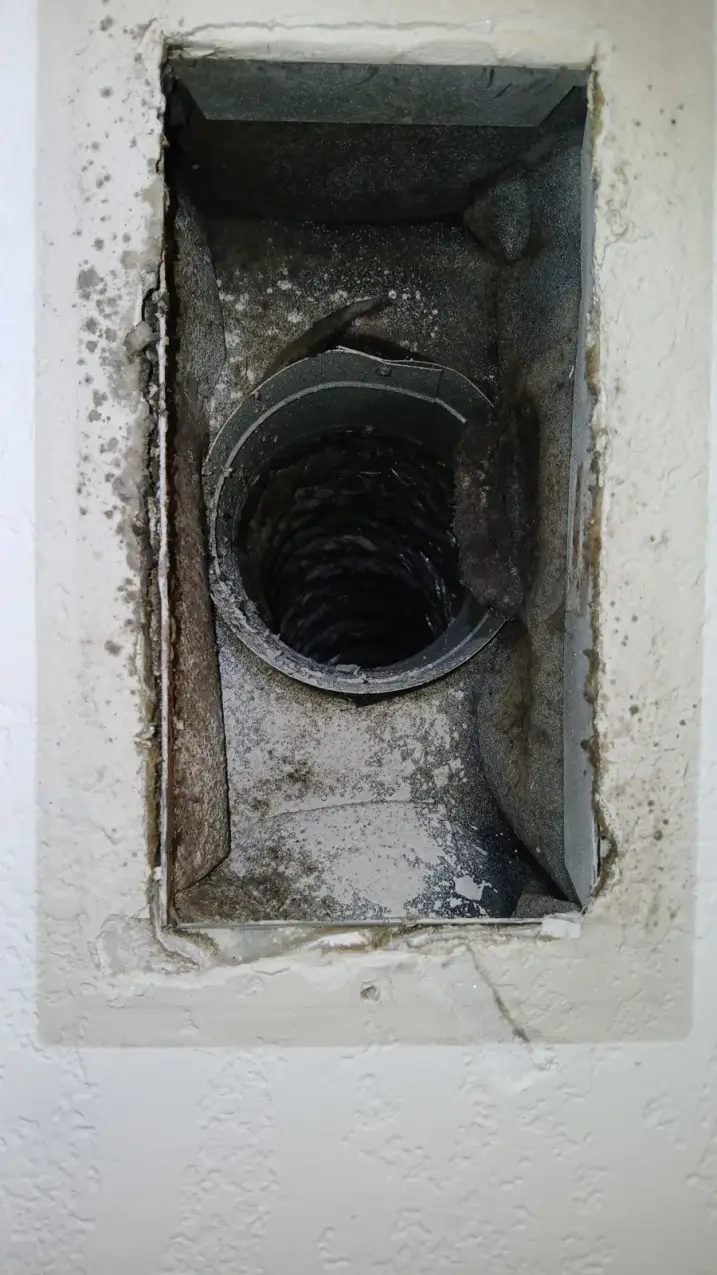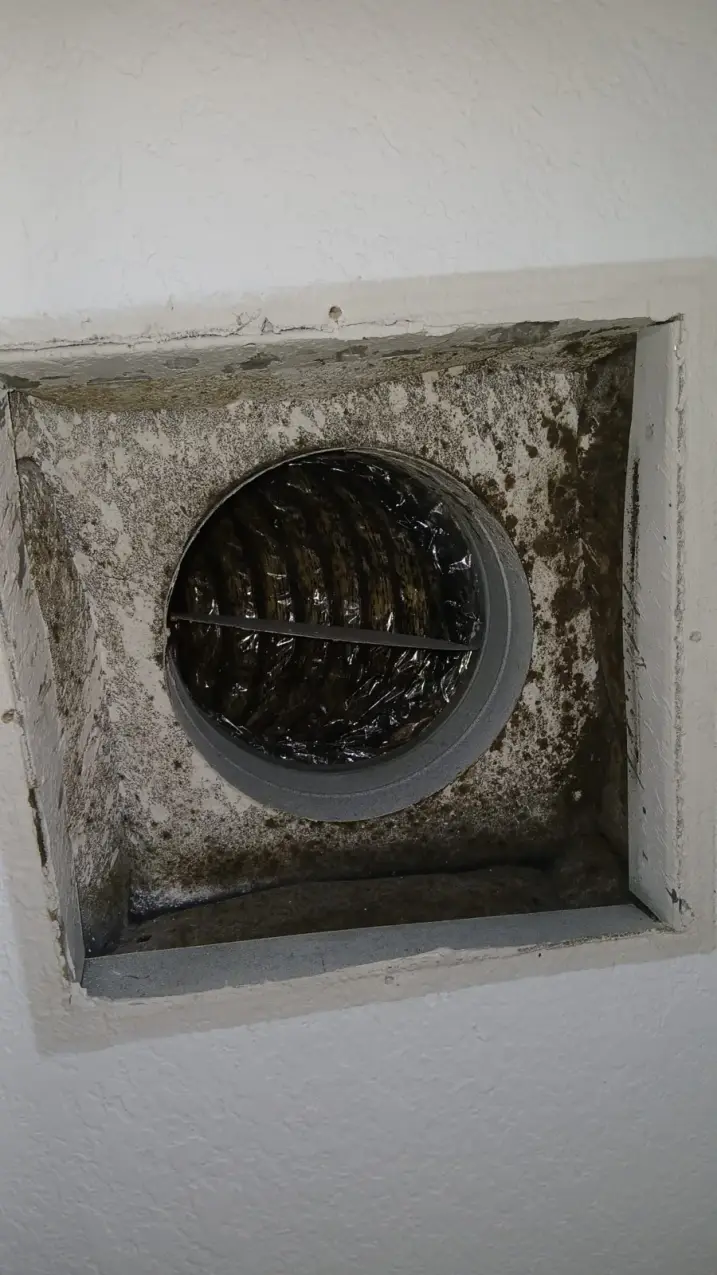

For most Houston homes, air duct cleaning frequency should depend on the condition of the system, not a fixed yearly schedule. Plan to have the HVAC system inspected each year and use four to five years as a cleaning benchmark. Schedule sooner if you find heavy debris, pest evidence, moisture trouble, or dust from a renovation.
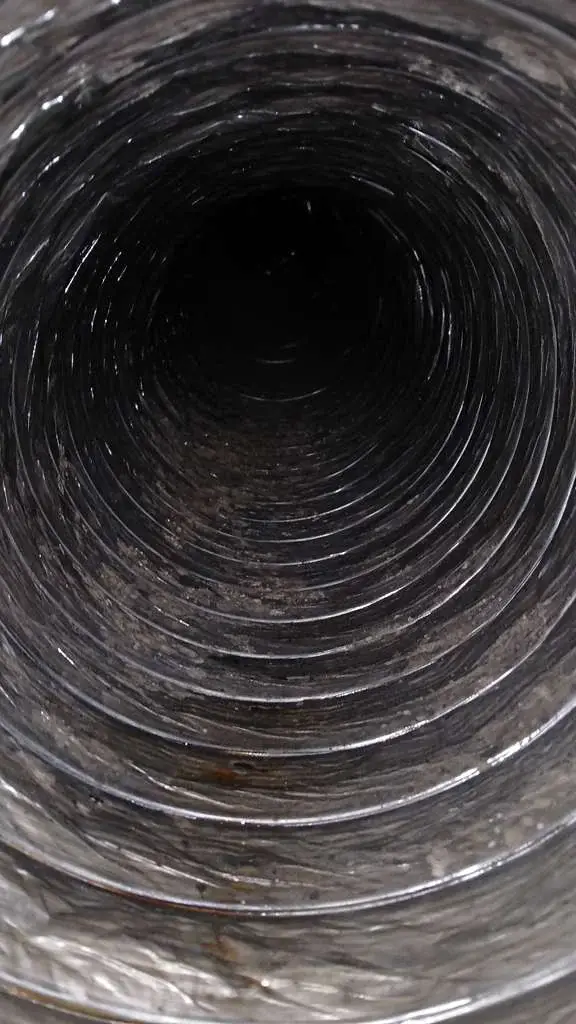

Use a four to five year window, then check the evidence
The National Air Duct Cleaners Association suggests a yearly HVAC inspection and complete system cleaning every four to five years. That gives homeowners a useful planning point when there is no known duct problem.
Still, a calendar alone can’t show what is inside your ducts. The U.S. Environmental Protection Agency does not recommend routine duct cleaning for every home. EPA says cleaning may be worth considering when there is substantial visible mold, vermin, or excessive dust and debris coming from supply registers.
Put those points together this way. If your ducts look clean, your system is working normally, and nothing has changed in the home, keep up with inspection and filter care. If a clear condition appears, don’t wait for the four to five year mark.
Book a duct check sooner when these signs show up
Start with what you can safely see. Remove a register cover only if it is easy to do and look at the cover, the opening behind it, and the nearby floor or wall. Don’t reach deep into ductwork or disturb material you suspect could be mold.
- Dust or debris blows from registers. A light layer of household dust on a grille is common. Loose debris coming out when the system starts is a reason to inspect the system.
- You see pest evidence. Droppings, nesting material, insect remains, or a strong animal odor calls for prompt attention. Address the pest entry point too, or the problem may return.
- There is moisture or a musty smell near the system. Check for a wet drain area, water marks, or damp insulation around accessible equipment. Moisture needs to be fixed at its source.
- You finished remodeling. Drywall dust, sawdust, and other work debris can get pulled into return openings. Check the filter right away and consider an inspection if dust spread through the house.
- Pets or indoor smoking add more particles. NADCA notes that pets, asthma or allergies in the household, and indoor smoking can affect cleaning intervals.
- A register has weak or uneven airflow. Dirt may be involved, though a crushed duct, a leak, a closed damper, or an equipment problem can also cause it. An inspection can sort out the cause before cleaning is chosen.
Visible dark material does not confirm mold. EPA lists substantial visible mold as a reason to consider cleaning, but moisture control comes first. A contractor or qualified indoor air professional may need to assess what the material is and where the water is coming from.

Houston heat and humidity make prevention worth your attention
Houston air conditioners work through long hot stretches. The National Weather Service Houston/Galveston 2025 climate summary recorded 145 days at or above 90°F at Houston Intercontinental, with average relative humidity of 68 percent. That station report won’t match every Houston home or every year, yet it shows why cooling equipment and condensation control deserve steady attention here.
Long run times don’t prove ducts need cleaning. They do make small maintenance misses easier to overlook. A loaded filter can restrict air moving into the system. A clogged condensate drain can leave water where it should not be. Gaps in ducts can pull dusty attic or crawlspace air into the system.
Use your regular cooling-season routine to check these basics.
- Replace the HVAC filter on the schedule listed by the filter maker or your equipment professional.
- Keep supply and return grilles clear of rugs, furniture, and stored boxes.
- Look around the indoor unit for water, rust, or damaged insulation.
- After a roof leak, flooding, or water damage, have the affected HVAC area checked before running the system for long periods.
- Ask for duct leakage testing or airflow balancing if some rooms stay less comfortable than others after normal equipment service.
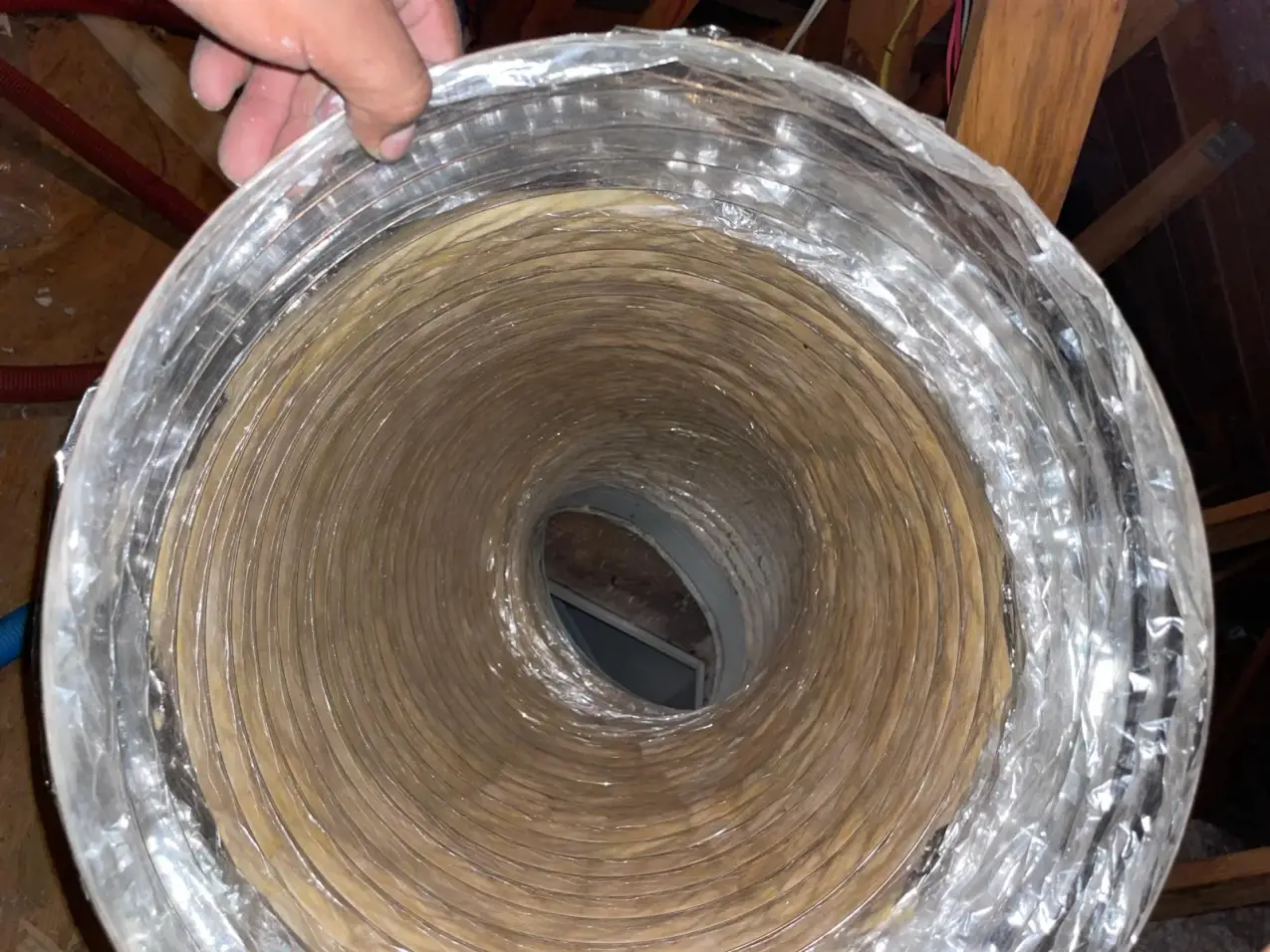
Know what an inspection should help you decide
An inspection should answer a practical question. Is cleaning needed, or is there another problem that needs repair first? Ask the technician to show you the condition of accessible ducts, registers, returns, the filter area, and the main equipment.
Cleaning alone won’t correct a disconnected run, damaged duct insulation, a duct leak, standing water, or a pest opening. Those conditions need their own repair plan. If cleaning is appropriate, make sure the work addresses the full system rather than only the grilles you can see.
Lone Star Air Duct Cleaning Services offers air duct cleaning for Houston homes and businesses. For ongoing planning, its air duct maintenance service includes visual or camera inspection, duct and register cleaning, filter housing cleaning, and related testing options.
Don’t let a cleaning pitch replace a home check
A low price or a claim that every duct must be cleaned every year should make you pause. Ask what the technician found, where it is located, and whether they can show it to you. If someone says there is mold, ask what supports that finding and what moisture problem is being corrected.
EPA also notes that duct cleaning has not been proven to prevent health problems. It is better to make the decision on visible system conditions and the home’s recent history than on a promise of health results.
Before you schedule, write down the last known cleaning date, recent construction, water events, pest activity, rooms with airflow concerns, and the filter size you use. Those details help the visit focus on the right checks.

Choose the next step for your home
| What you notice | Useful next step |
|---|---|
| No visible issues and no recent home changes | Keep up filter changes and arrange a yearly HVAC inspection. Use the four to five year window for cleaning planning. |
| Heavy debris at registers or debris blowing out | Schedule a duct inspection and ask whether complete system cleaning is needed. |
| Water, dampness, or suspected growth | Find and repair the moisture source before treating duct cleaning as the full fix. |
| Pest evidence in or near ducts | Address the pest issue and inspect ducts for contamination or damage. |
| Dust after a renovation | Change the filter, clean work areas, and inspect if the HVAC ran during dusty work. |
| Some rooms get poor airflow | Ask for airflow and duct condition checks. Cleaning may not be the only needed service. |
Frequently asked questions
Can I clean my air ducts myself?
You can vacuum and wipe accessible register covers, then replace a dirty filter. Most duct runs are out of reach and can be damaged by improvised tools. A full cleaning needs equipment that removes loosened debris rather than pushing it farther through the system.
Should I close unused vents to keep other rooms cooler?
Don’t close vents without advice from an HVAC professional. Your system was designed for a set amount of airflow. Closing several vents can change pressure in the ducts and may not make occupied rooms more comfortable.
What should I do before a duct inspection?
Clear a path to the indoor unit, attic access, and major return grilles if those areas are safe to access. Keep pets in a separate room and share any water leaks, pest treatment, or renovation work that happened since the last service.
If you want a clear look at your Houston home’s duct condition, call Lone Star Air Duct Cleaning Services at (832) 430-1849 for air duct cleaning, inspection, maintenance, or duct testing. Share what you have noticed and schedule the service that fits the condition of your system.