
Commercial Attic Insulation In Beaumont
Commercial Attic Insulation In Beaumont by Lone Star Air Duct Cleaning Services helps reduce energy costs improve comfort and protect your building schedule today
Table of Contents
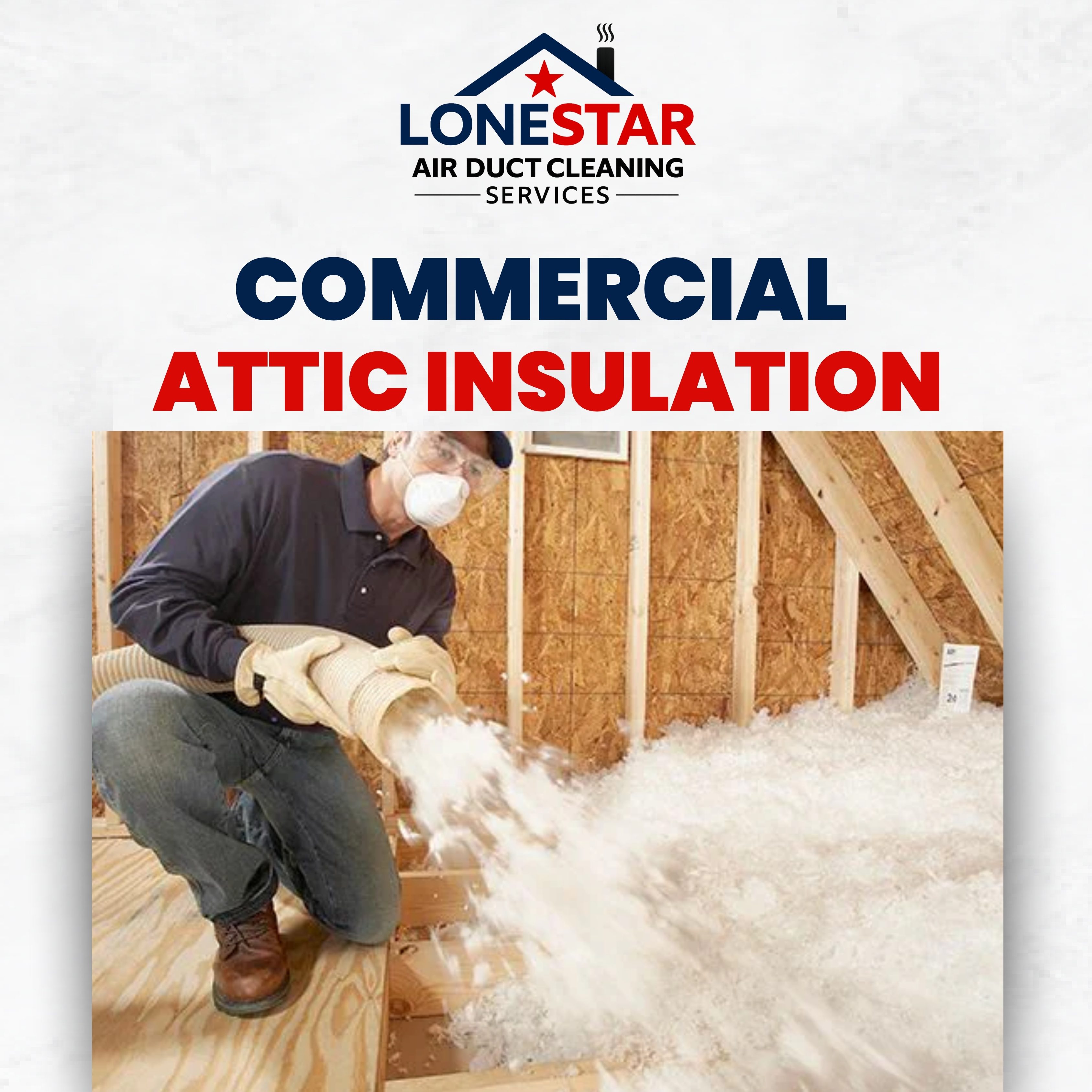
Commercial Attic Insulation in Beaumont, Texas
Commercial Attic Insulation in Beaumont, Texas helps business owners, property managers, and facility teams improve how their buildings handle heat, humidity, and indoor comfort. Lone Star Air Duct Cleaning Services works with commercial attic spaces above offices, retail suites, medical spaces, churches, warehouses, mixed-use buildings, and light industrial properties.
You can expect a practical visit, a look at attic access and existing insulation, and clear next steps based on your building. The process is straightforward. No mystery tour. Just a careful look at what is above the ceiling and what your Beaumont building needs.
Need Help? Call Lone Star Air Duct Cleaning Services near you
What commercial attic insulation does for Beaumont buildings
Commercial attic insulation helps slow heat transfer between the attic and the occupied space below. In Beaumont, that matters because attic spaces can get hot quickly near I-10, Dowlen Road, College Street, and the Eastex Freeway where sun exposure, traffic heat, and long cooling seasons all add up.
- More even indoor temperatures
- Less strain on HVAC equipment
- Better comfort for staff and customers
- Reduced hot spots near ceilings
- Help with moisture control when paired with proper ventilation
- Better use of conditioned air
Commercial buildings often have larger attic runs, more ceiling penetrations, and more mechanical items above the ceiling than a typical home. That is why a commercial attic needs a careful look before insulation work starts. If air pathways are also a concern, Commercial Air Duct Testing in Beaumont, Texas can help identify airflow clues that may affect comfort.

Who uses commercial attic insulation in Beaumont
Commercial attic insulation is used by many local property types. Beaumont has historic buildings near downtown, newer business parks on the west side, and many structures with attic needs that vary quite a bit.
- Office buildings
- Retail centers
- Restaurants and cafes
- Medical and dental offices
- Churches and fellowship halls
- Daycare and education buildings
- Auto service offices
- Light industrial support buildings
- Small warehouses with office areas
- Multi-tenant commercial suites
- Mixed-use buildings with business space below
Some properties have flat roof sections with limited attic space. Others have pitched roofs with attic access above finished ceilings. Some have older batt insulation. Some have blown-in material that has shifted, settled, or been disturbed. If ducts above the ceiling are part of the comfort concern, Commercial Air Duct Maintenance in Beaumont, Texas may also be worth discussing.
Why Beaumont is tough on commercial attic spaces
Beaumont weather does not play around. Gulf Coast humidity, heavy rain, heat, and storm seasons can all affect commercial attics and the insulation inside them.
- Long cooling seasons
- High humidity
- Strong sun exposure
- Wind-driven rain during storms
- Older roof lines in historic buildings
- Past roof repairs
- HVAC ductwork in hot attic areas
- Dust and debris from nearby roads or industrial zones
- Pests in some older structures
Buildings near I-10, US 69, US 96, US 287, and College Street may also deal with more dust. Properties closer to industrial corridors or the Port of Beaumont may have different attic conditions than a quiet office off Major Drive. For general coverage beyond one service, the Beaumont, Texas service areas page can help you review local availability.
Humidity is the big local character in the room. If your attic has poor ventilation, insulation can struggle to do its job. If there are roof leaks, gaps, or unsealed ceiling penetrations, insulation may not perform as expected. It is like trying to cool a room while someone keeps cracking the window.
Need Help? Call us for Air Ducts, Dryer Vents and more!
Signs a commercial attic may need attention
You do not have to crawl into the attic with a flashlight and a brave face to notice signs. Many issues show up inside the building first.
- Hot rooms near the top floor or under rooflines
- Uneven temperatures from one suite to another
- HVAC systems running for long periods
- Ceiling tiles that feel warm to the touch
- Staff using fans in certain rooms
- Customers avoiding certain seating areas
- Musty odors near attic access points
- Visible gaps in insulation during maintenance visits
- Insulation moved aside by cable, plumbing, or electrical work
- Dust streaks around ceiling fixtures or attic hatches
A common Beaumont scenario is a front office that feels fine while a back room feels hot by noon. That often leads to checking attic insulation depth, coverage, air sealing, and duct conditions. When duct sections are visibly damaged, Commercial Air Duct Repair in Beaumont, Texas may become part of the larger comfort conversation.
What happens during a commercial attic insulation visit
Lone Star Air Duct Cleaning Services starts by learning about the building and the comfort issues you are noticing. Simple questions often find useful clues.
- Which rooms feel too warm or too cold
- When the issues happen
- Whether roof work has been done recently
- Whether the HVAC system has been serviced
- Whether there is safe attic access
- Whether there are known leaks or past moisture issues
- Whether anyone has worked above the ceiling recently
Then accessible attic areas are reviewed to understand the current condition before next steps are discussed. This may include insulation type, depth, bare areas, attic access points, ventilation, visible duct concerns, moisture staining, pest activity signs, ceiling penetrations, and areas disturbed by prior trades.
Commercial buildings can have surprises. Insulation may be stacked like little hills in one corner and missing in another. Attic hatches may have gaps that let conditioned air escape. It is not always dramatic. Sometimes the work starts with noticing the small things.
Types of commercial attic insulation that may be used
Commercial attic insulation options depend on the building, access, existing material, moisture conditions, and how the attic is used. The right fit is based on what is already there and what the building can safely support.
- Blown-in fiberglass
- Blown-in cellulose
- Fiberglass batt insulation
- Insulation used in select roofline or attic sections
Blown-in insulation is often used in open attic areas because it can cover broad spaces and fill around framing more easily. Batt insulation may appear in older buildings or in sections where rolls or panels were placed between joists. A broader overview of building insulation can be useful for basic background.
The insulation type matters, but coverage matters too. A decent material placed poorly can leave hot spots. A well-planned insulation job also needs attention around attic hatches, ceiling fixtures, duct routes, and ventilation paths.
How attic insulation works with air ducts
Attic insulation and air ducts often share the same space. If ducts run through a hot attic, their condition can affect comfort below. Visible concerns may include disconnected duct sections, crushed flexible ducts, torn outer jackets, loose connections, gaps near boots or registers, condensation marks, and dust trails near air leaks.
Lone Star Air Duct Cleaning Services works in air duct and dryer vent cleaning, so airflow clues matter during an attic visit. Insulation is not treated as an island. If the attic insulation looks fine but the ductwork is struggling, comfort issues may continue. In some buildings, Commercial Air Duct Cleaning in Beaumont, Texas may also be part of the maintenance picture.
Can commercial attic insulation help with hot spots
It can help when heat transfer through the attic is part of the problem. Hot spots in Beaumont commercial buildings often come from a mix of causes.
- Thin or missing attic insulation
- Uneven insulation coverage
- Air leaks above ceilings
- Heat gain from west-facing walls
- Duct leakage
- Poor return airflow
- Blocked vents
- High ceilings
- Large windows
- Equipment heat from kitchens, servers, or production areas
Attic insulation can reduce heat moving down from the attic into occupied areas. That may help rooms feel more stable during the day. The result depends on the full building condition. If existing ductwork is no longer suitable, Commercial Air Duct Replacement in Beaumont, Texas may also need review.
Moisture and humidity in Beaumont attics
Humidity is a regular guest in Southeast Texas. Commercial attic insulation needs to be considered along with roof condition, ventilation, air sealing, and moisture sources.
- Roof leak stains
- Wet or matted insulation
- Condensation near ducts
- Musty odors
- Dark staining on framing
- Rust on metal components
- Soft ceiling materials
- Humid air entering through gaps
Insulation that has been wet may settle, clump, or lose useful coverage. Moisture can also point to a roof, ventilation, or air leakage issue that should be addressed before more insulation is added. In Beaumont, storm season can leave behind small roof problems that are easy to miss.
Does attic ventilation matter for commercial buildings
Yes, attic ventilation can matter. Insulation slows heat transfer. Ventilation helps attic air move as the building allows. The balance between the two affects attic conditions.
- Blocked soffit vents
- Limited roof vents
- Insulation covering airflow paths
- Mechanical vents not working
- Poor attic air movement
- Past repairs that closed openings
- Additions that changed airflow
A commercial property near Old Town may have older framing and vent paths that do not match newer layouts. A building near the West End may have additions that changed the attic layout. Attic access and a visual inspection help show what is going on.
Residential and commercial attic insulation compared
The basic purpose is similar, but commercial buildings often have more moving parts. A home attic may be a single open space. A commercial attic may have sections above offices, restrooms, hallways, storage rooms, and public areas.
| Building factor | Commercial attic concern |
|---|---|
| Access | May involve tenant spaces, hallways, stockrooms, or public areas |
| Duct layout | May include more branches, returns, and mechanical items |
| Scheduling | May need planning around staff, customers, and business hours |
| Comfort issues | May vary from one suite or room to another |
In Beaumont, many properties mix old and new construction. A storefront may have been remodeled several times. A church may have additions from different decades. A small warehouse office may have a roofline that changed when the business grew. If new duct routing is part of a larger building update, Commercial Air Duct Installation in Beaumont, Texas may be relevant.
How to prepare the building before insulation work
Preparation helps the job move in a cleaner and more orderly way. Before insulation work starts, access, building use, and sensitive areas should be reviewed.
- Clear access to attic entry points
- Move stored items away from work areas
- Identify rooms with comfort complaints
- Share any roof leak history
- Point out sensitive equipment or files
- Let staff know where work may occur
- Secure pets if the property includes a live-in or mixed-use area
- Confirm building hours and access needs
Commercial properties may have customer areas, employee-only zones, medical rooms, kitchens, or stockrooms. Planning around those spaces matters. For scheduling, use the Contact Us page or call (830) 430-1849 to talk through access details.
Building areas checked before adding insulation
Adding insulation over a hidden issue can create more trouble later. Accessible attic areas are reviewed first so the plan reflects real conditions above the ceiling.
- Roof deck underside
- Joists and framing
- Existing insulation
- Attic hatch or stair access
- Duct routes
- Vent paths
- Ceiling fixture areas
- Plumbing penetrations
- Electrical penetrations
- Bath or kitchen exhaust paths
- Mechanical equipment zones
- Signs of animals or insects
If insulation is thin but dry and attic ventilation looks open, the next steps may be simple. If there are wet spots, blocked vents, or damaged ductwork, those concerns need to be part of the plan.
What can affect results and timing
Every building is different. Results and timing depend on the condition of the attic and the building systems around it.
- Attic size and access
- Existing insulation condition
- Moisture or roof leak concerns
- Ductwork location and condition
- Ventilation setup
- Ceiling height and layout
- Number of tenant spaces
- Business operating hours
- Furniture, stock, or equipment near access points
- Weather and storm activity
- Need for other repairs before insulation work
A small office with easy attic access may move faster than a large church with several attic sections. A retail suite with a clear attic hatch may be simpler than a medical building with sensitive rooms and limited access hours. Weather can also play a role in Beaumont.
Reducing attic problems between service visits
A little awareness goes a long way. You do not need to become an attic detective, but a few habits can help catch issues early.
- Report ceiling stains quickly
- Keep attic access clear
- Avoid storing items on insulation
- Ask contractors not to leave insulation piled up
- Watch for rooms that change comfort suddenly
- Note musty odors near ceiling areas
- Replace stained ceiling tiles only after checking the source
- Keep maintenance notes after roof, HVAC, or electrical work
If a cable installer, electrician, or plumber works above the ceiling, ask whether any insulation was moved. A small question can prevent a hot spot later.
Why attic insulation belongs with duct and vent awareness
Lone Star Air Duct Cleaning Services works with air ducts and dryer vents, and that background matters in commercial attic settings. Comfort issues often involve more than insulation alone.
- Dirty return areas
- Dusty duct interiors
- Dryer vent buildup in laundry areas
- Airflow restrictions
- Loose duct connections
- Dust entering from attic gaps
- Poor return air balance
Some Beaumont commercial properties include salons, gyms, laundromats, hospitality spaces, assisted living support areas, or workrooms with dryers or high air use. If long dryer runs need help with airflow, Commercial Dryer Vent Booster Fan Installation in Beaumont, Texas may be relevant.
Local Beaumont scenarios
Commercial attic insulation in Beaumont is not a one-size project. Local building age, storm exposure, and business use shape what may be found.
- Older office buildings near downtown with settled insulation
- Retail suites near Dowlen Road with insulation moved during remodels
- Churches in South Park or the North End with large attic spans
- Medical offices near Major Drive with comfort complaints in exam rooms
- Light industrial offices near the Port of Beaumont with hot ceilings
- Restaurants with attic heat near kitchen exhaust paths
- Multi-tenant buildings with uneven comfort between suites
- Buildings near I-10 with extra dust around attic openings
- Mixed-use properties where older attic access is tight
Beaumont also has many buildings that have been repaired after storms over the years. Roof repairs, ceiling work, and mechanical updates can disturb attic insulation. Sometimes the material is still there, just not where it needs to be.
What property managers should know before scheduling
Property managers often need to coordinate access, tenants, staff, and building records. A little planning makes the visit smoother.
- Building address and access notes
- Tenant contact if needed
- Known comfort complaints
- Roof leak history
- Recent HVAC service notes
- Recent remodel or electrical work details
- Attic access location
- Preferred service windows
If the building has multiple suites, it helps to know which spaces are affected. Suite B gets hot after lunch is more useful than saying the building is weird, even though some buildings do have personality.
How much disruption a business should expect
The amount of disruption depends on attic access, building layout, and scope of work. Some visits are simple inspections. Other projects require more movement through the building.
- Whether attic access is in a public area
- Ceiling height
- Need to protect floors or furniture
- Amount of insulation being handled
- Work above active tenant spaces
- Noise from equipment
- Parking and loading access
- Staff and customer flow
The goal is to keep the process orderly and respectful of your business. If an access point is above a hallway, stockroom, or office, the work area and access needs should be discussed first.
ZIP codes served around Beaumont
Lone Star Air Duct Cleaning Services serves commercial properties in Beaumont and nearby areas within the local service route. Common Beaumont ZIP codes include 77701, 77702, 77703, 77705, 77706, 77707, 77708, and 77713.
If your building is near downtown Beaumont, Lamar University, Amelia, the West End, South Park, the North End, or the business corridors along I-10 and US 69, attic insulation needs and access details can be reviewed. You can also see broader coverage through the Service areas page.
Why choose Lone Star Air Duct Cleaning Services for this work
Lone Star Air Duct Cleaning Services brings a practical building comfort mindset to commercial attic insulation. Since the team also works with air ducts and dryer vents, attic insulation is viewed as part of the larger air and comfort picture. Learn more about the company through the About Us page.
- Clear communication
- Respect for your building and schedule
- Careful attic observations
- Plain explanations
- Attention to visible duct and vent concerns
- A focus on practical next steps
- Work planning that fits commercial spaces
The company is based in Houston and serves Beaumont businesses that need help with attic insulation, duct concerns, and related indoor air pathway issues. Gulf Coast buildings, long cooling seasons, and hot attic conditions are all part of the local picture.
Related services in Beaumont, Texas
- Commercial Air Duct Cleaning in Beaumont, Texas
- Commercial Air Duct Installation in Beaumont, Texas
- Commercial Air Duct Maintenance in Beaumont, Texas
- Commercial Air Duct Repair in Beaumont, Texas
- Commercial Air Duct Replacement in Beaumont, Texas
- Commercial Air Duct Testing in Beaumont, Texas
- Commercial Dryer Vent Booster Fan Installation in Beaumont, Texas
- Commercial Attic Insulation
- Commercial Air Duct Cleaning
- Commercial Air Duct Installation
- Commercial Air Duct Maintenance
- Commercial Air Duct Repair
- Commercial Air Duct Replacement
- Commercial Air Duct Testing
Schedule commercial attic insulation in Beaumont
If your Beaumont commercial building has hot rooms, uneven comfort, old insulation, or attic conditions that need a closer look, contact Lone Star Air Duct Cleaning Services.
Call (830) 430-1849 to talk through your building and schedule a visit.
Frequently Asked Questions (FAQs)
Commercial attic insulation helps slow heat transfer between the roof/attic and occupied spaces, which can support more stable indoor comfort and more consistent HVAC operation in Beaumont’s hot, humid climate.
Common signs include uneven temperatures, frequent HVAC cycling, hot spots near ceilings, and noticeable seasonal discomfort; an on-site evaluation can help confirm whether insulation may be contributing.
Insulation can be one part of a broader approach to managing indoor conditions, but humidity control often also involves ventilation, air sealing, and HVAC performance.
Yes—building use, roof design, occupancy patterns, and existing mechanical systems can influence insulation needs and recommended approaches.
Options may include blown-in, batt, or spray-applied materials; the best fit depends on the attic layout, access, and the building’s goals and constraints.
Air sealing is often considered alongside insulation because gaps and penetrations can allow air movement that reduces overall effectiveness; a site check can help identify common leakage areas.
Many projects can be planned to minimize disruption, but access, safety requirements, and building schedules vary; discussing timing and logistics ahead of time is usually helpful.
Insulation can help reduce unwanted heat flow and some air movement, but indoor air quality is also influenced by ventilation, filtration, and cleanliness of HVAC components.
It depends on the scope of the roof work and attic conditions; coordinating insulation planning with roofing and HVAC considerations can help avoid rework.
Lone Star Air Duct Cleaning Services offers a range of services—including Commercial Attic Insulation—so you can start by reaching out to discuss your building’s needs and available options.
What Should Air Duct Maintenance Include for a Houston Home?
Routine air duct maintenance looks at the full path air takes through your home. It…
Air Duct Installation Planning for an HVAC Replacement or Home Addition
Plan new ductwork early when replacing HVAC equipment or adding space. Review each room, return-air…
What Is Duct Leakage Testing, and When Is It Worth Scheduling?
Duct leakage testing measures how much heated or cooled air escapes from ductwork. It can…