
Commercial Attic Insulation In Highlands
Commercial Attic Insulation In Highlands by Lone Star Air Duct Cleaning Services improves comfort and cuts energy costs with expert installation and cleanup
Table of Contents

Commercial Attic Insulation in Highlands, Texas
Commercial Attic Insulation in Highlands, Texas helps local commercial buildings manage attic heat, indoor comfort, and HVAC strain. Lone Star Air Duct Cleaning Services works with offices, shops, churches, daycares, light industrial spaces, and other Highlands properties that need cleaner and better insulated attic areas.
You can expect a practical visit, a look at attic access points, a check of existing insulation, and a clear plan for the work. The crew handles prep, installation, and cleanup with respect for your staff, customers, tenants, and daily schedule.
Need Help? Call Lone Star Air Duct Cleaning Services near you
What commercial attic insulation does for a Highlands building
Commercial attic insulation slows heat movement between the attic and the occupied space below. In Highlands, that matters because attic spaces can become intense during long warm seasons, humid afternoons, and evenings that stay hot long after sunset.
A properly insulated attic can help with steadier indoor temperatures, less heat transfer from the attic, better comfort for staff and visitors, reduced load on heating and cooling equipment, fewer hot and cold spots, and a cleaner attic space when old loose material is removed or corrected.
Many commercial spaces in Highlands were built in stages. A shop may have had a storage room added later. A small office may sit inside a converted home near Main Street. A church building may have older wings and newer meeting rooms. Each area can behave a little differently, so the insulation plan should match the building instead of only a square footage number.

Who uses commercial attic insulation in Highlands
Commercial attic insulation is useful for many types of Highlands properties. Some are customer facing, some are used only by staff, and some have conditioned offices attached to hot storage areas. If duct conditions are also part of the comfort complaint, Commercial Air Duct Cleaning in Highlands, Texas may be worth discussing during the same building review.
- Small offices near Main Street
- Retail spaces close to FM 2100
- Medical and dental offices
- Daycare and learning centers
- Churches and fellowship halls
- Service shops and trade offices
- Metal buildings with finished office areas
- Warehouses with front offices
- Restaurants and break rooms
- Multi tenant commercial spaces
- Converted houses used as business locations
A common call sounds like the lobby feels fine in the morning, but by lunch the back offices are cooking. That kind of clue may point toward attic heat, duct conditions, airflow issues, insulation gaps, or a mix of all three. Insulation is not magic dust. It is one part of the building comfort puzzle, and it works better when the rest of the attic area is checked too.
Why attic insulation matters in Highlands
Highlands sits close to the San Jacinto River, I-10, Baytown, Crosby, Channelview, and the east side of the Houston metro area. The weather brings heat, humidity, wind, and the occasional hard storm. That mix can be tough on attic spaces and duct areas. When ductwork has been changed or expanded, Commercial Air Duct Installation in Highlands, Texas may also affect how comfort issues are evaluated.
- Hot roof surfaces for long parts of the year
- Humid attic air
- Dust and debris from nearby roads and work yards
- Older insulation that has settled
- Insulation moved by past repairs
- Rodent or pest disturbance
- Roof leak history
- Ductwork that runs through the attic
- Uneven insulation across different building sections
Near Wallisville Road, I-10, and FM 2100, commercial properties can collect more dust around access points and mechanical areas. If the attic has been used for storage, insulation may be compressed under boxes, old displays, seasonal supplies, or the mystery chair nobody wants to claim. Compressed insulation does not perform the same way as material that is properly placed.
Need Help? Call us for Air Ducts, Dryer Vents and more!
What happens during a commercial attic insulation visit
The process starts with a look at the building and attic access. A quiet office has different needs than a daycare. A church sanctuary has different access issues than a strip center suite. A warehouse office near a hot shop area may need extra attention around walls and ceiling transitions.
- A walk through of the main problem areas
- A check of attic access points
- A review of existing insulation condition
- A look for obvious gaps, thin areas, or disturbed sections
- A check around ductwork, vents, and ceiling penetrations
- A discussion about work timing and access
- Prep to protect nearby spaces
- Insulation work based on building needs
- Cleanup of work areas
We keep the conversation plain. If something is thin, we say it is thin. If an area is blocked, we say it is blocked. If visible duct damage is part of the issue, Commercial Air Duct Repair in Highlands, Texas may be a related next step.
Signs that a commercial attic may need insulation work
A building does not need to shout to tell you something is wrong. Most of the time, it whispers first through comfort complaints, uneven rooms, and HVAC equipment that seems to work harder than it should.
- Rooms near the attic run warmer than others
- Employees use fans in one area and jackets in another
- The HVAC system runs often during hot afternoons
- Ceiling tiles show dust streaks near vents or penetrations
- The attic has bare spots or low insulation coverage
- Past contractors moved insulation and did not put it back
- Older insulation looks matted, dirty, or uneven
- The building feels stuffy after lunch
- Meeting rooms heat up fast when full
- Storage areas share heat with office spaces
A Highlands business off FM 2100 may have front offices that stay cool enough while two offices along the back wall stay warm. The attic above those offices may have thin insulation, a missing section from an old repair, or ductwork sitting in a hot attic pocket.
A church near Highlands Reservoir Road may have older ceiling spaces over classrooms. If insulation was installed years ago, it may have settled or shifted during electrical work. Nobody did anything wrong. Buildings age, and attics get poked, pulled, and forgotten.
How commercial attic insulation differs from residential work
Commercial attic work often has more moving parts. A home may have one attic layout, while a commercial building may have multiple ceiling heights, added rooms, plenum spaces, shared walls, roof changes, and equipment areas. It may also have employees, tenants, customers, or children on site during business hours.
- Business hours
- Access through occupied areas
- Noise concerns
- Dust control
- Tenant coordination
- Attic height and obstructions
- Fire stops and partition walls
- Existing ducts and vents
- Ceiling tile areas
- Roof structure changes
A retail suite near I-10 may need work after customer traffic slows. A daycare may need certain areas handled when rooms are empty. A church may prefer weekday scheduling away from services or events. The work is still attic insulation, but the setup matters.
Common materials used for commercial attic insulation
Commercial attic insulation may include blown in insulation, batt insulation, or a combination based on the space. The right material depends on access, existing conditions, roof framing, ceiling type, and how the building is used.
- Blown in fiberglass
- Blown in cellulose
- Fiberglass batts
- Insulation touch up in thin areas
- Removal and replacement where material is damaged
- Air sealing support around small gaps when suitable
Blown in material is often used in open attic spaces because it can cover broad areas and fill around framing. Batts may be useful in certain accessible zones or specific framing layouts. If old insulation is wet, heavily soiled, or disturbed, adding more material on top may not be the right move.
| Building factor | Why it matters |
|---|---|
| Attic access size | Affects equipment setup and movement |
| Existing insulation | Shows whether material is thin, shifted, wet, or compressed |
| Duct layout | Can affect comfort and work access |
| Business schedule | Helps plan work around staff, tenants, and customers |
Uneven temperatures and attic insulation
Attic insulation may help with uneven temperatures, depending on what is causing the issue. In Highlands, many comfort complaints come from a mix of attic heat, duct leakage, poor airflow, thin insulation, and sun exposure. If the duct system needs a deeper condition review, Commercial Air Duct Testing in Highlands, Texas may be relevant.
- Ducts that are loose or damaged
- Dirty air ducts
- Clogged filters
- Poor return air paths
- Oversized rooms served by small ducts
- West facing walls and windows
- Ceiling gaps around lights or vents
- Roof sections with heavy sun exposure
- Old attic ventilation issues
Lone Star Air Duct Cleaning Services also works with air duct and dryer vent cleaning, so the attic is reviewed as a working system. If the attic insulation looks weak and the ducts look dusty or strained, we talk through what we see in plain language.
Attic areas that often need the most attention
The whole attic matters, but certain spots tend to cause more trouble. Rooms directly under hot roof areas, access panels, and spaces near ductwork can affect comfort faster than people expect.
- Corners and edges
- Spaces above offices with many electronics
- Ceiling areas near attic access doors
- Sections around ductwork
- Areas above bathrooms or break rooms
- Rooms added after the original build
- Spaces near roof leaks or old repairs
- Sections where workers previously walked
- Ceiling penetrations near lights and vents
Attic hatches deserve special attention. If the access panel is not insulated or does not sit well, it can act like a small heat doorway. Duct areas matter too. Insulation should not crush ducts, block service access, or cover equipment that needs clearance.
How work is planned around business hours
Commercial buildings have schedules, and we respect that. Some insulation work can be planned around quieter times, depending on the property. For a shop, that may be early morning. For an office, it may be after a meeting block. For a church, it may be between events. For a daycare, room access and safety planning come first.
- Where crews can park
- Which doors should be used
- Which rooms need protection
- Whether customers or tenants will be present
- Which areas must stay open
- Where attic access is located
- How cleanup should be handled
- Who should be contacted on site
To schedule a visit or ask about access planning, use the Contact Us page or call (830) 430-1849. A small amount of planning saves headaches and helps keep the work simple and practical.
How a Highlands business can prepare
A little prep helps the job move smoother. If you are not sure what needs to be moved, ask. We would rather answer a quick question than have you spend half a day moving things that were not in the way.
- Clear access to attic openings
- Move sensitive items away from work paths
- Tell staff which areas may be active
- Secure pets if the building has any
- Mark rooms with comfort complaints
- Share any roof leak history
- Point out past electrical, HVAC, or plumbing work
- Let us know about locked areas
- Remove stored items from attic walk paths if safe to do so
For commercial tenants, it may also help to confirm access with the property owner or manager. Some attic spaces are shared or controlled by building management. For broader coverage details, the Highlands, Texas service areas page can help confirm local service context.
What can affect timing and results
Several building conditions can affect how long the work takes and what results you may notice after insulation is installed. No two buildings behave the same way, especially when attic access, duct layout, and daily occupancy patterns are different.
- Attic access size
- Amount of existing insulation
- Wet or damaged material
- Roof leak history
- Ductwork layout
- Ceiling height
- Electrical or plumbing obstacles
- Business hour limits
- Parking and equipment access
- Weather conditions
- Need for removal before new material is added
- HVAC condition
- Duct leakage
- Airflow balance
- Window heat gain
- Roof color and age
- Attic ventilation
- Building layout
- Open doors in retail or shop areas
- Equipment that produces heat
- Occupancy patterns during the day
A metal shop office near a work bay will not respond exactly like a small clinic in a brick building. A west facing suite near I-10 may gain more afternoon heat than an interior office suite. We explain what the insulation work is meant to address and point out visible issues that may affect results.
How attic insulation connects with air ducts
Attic insulation and air ducts often share the same work area. If your ducts run through the attic, they are sitting in one of the hottest parts of the building for much of the year. Insulation helps reduce heat movement from the attic into the rooms below, while duct cleaning and duct condition checks address airflow paths and debris inside the system.
- Ducts resting on compressed insulation
- Loose duct connections
- Heavy dust near vents
- Kinked flexible duct sections
- Poor access around air handlers
- Old insulation pulled away from duct areas
- Ceiling gaps near registers
If comfort complaints continue after insulation planning, related duct services may matter. Older systems may need Commercial Air Duct Maintenance in Highlands, Texas, and heavily worn systems may call for Commercial Air Duct Replacement in Highlands, Texas. These are different services, but they can connect when the attic is part of the comfort problem.
Moisture, pests, and damaged insulation
Moisture and pest activity need attention before adding new insulation. Covering up a problem does not fix it. It makes the problem harder to see later. Highlands weather can be hard on roofs and attic areas, especially after wind driven rain, flashing wear, or past roof work.
- Wet or stained areas
- Musty odors
- Rodent droppings
- Torn or tunneled insulation
- Dark patches near roof decking
- Ceiling stains below the attic
- Insulation stuck together in clumps
- Strong odors around attic openings
If we see signs of moisture, we point them out so the source can be handled before insulation work continues in that area. Nobody likes hearing that a leak may be present, but it is better than covering it and finding out later when a ceiling tile complains first.
Comfort support for staff and visitors
Staff comfort matters because people work better when they are not battling the room all day. A front office that gets hot every afternoon can turn into a daily gripe session. A break room that never cools down is not much of a break.
- Reception areas
- Private offices
- Conference rooms
- Classrooms
- Break rooms
- Restrooms
- Waiting rooms
- Small retail areas
- Customer service counters
- Staff workrooms
If employees have placed fans under desks, taped paper over vents, or created a spot nobody wants after 2 p.m., the building is telling you something. It may be insulation, airflow, or both. Properties with laundry or venting equipment may also need Commercial Dryer Vent Booster Fan Installation in Highlands, Texas when vent performance is part of a separate commercial concern.
What property managers in Highlands should know
Property managers often handle more than one tenant, and each tenant may describe the problem differently. One tenant says it is hot. Another says the air never shuts off. Another says the back room smells dusty. Those may point to different issues, or they may connect to the same attic and duct conditions.
- Which suites have complaints
- Time of day when problems occur
- Whether the issue is seasonal
- Any roof repair history
- Which tenants have attic access
- Recent HVAC service notes
- Ceiling stains or past leaks
- Areas with stored materials above the ceiling
Strip centers and older commercial buildings around Highlands and nearby Baytown can have shared attic spaces. Insulation may be missing above one suite but fine above another. A walk through helps locate those differences.
ZIP codes served around Highlands
Commercial attic insulation in Highlands is commonly requested in and near 77562. Nearby commercial service calls may also come from areas around 77520, 77521, 77530, 77532, 77049, and 77523.
These ZIP codes cover Highlands and close by communities such as Baytown, Channelview, Crosby, Sheldon, Barrett, McNair, and Mont Belvieu. If your building sits near the edge of these areas, call and we can talk through the location.
Why choose Lone Star Air Duct Cleaning Services
Lone Star Air Duct Cleaning Services is based in Houston and serves Highlands with attic insulation, air duct cleaning, and dryer vent cleaning services. To learn more about the company and team approach, visit About Us.
- Look at the building first
- Listen to the comfort complaint
- Check attic conditions
- Explain what we see
- Protect the work area
- Handle the insulation work carefully
- Clean up before leaving
We do not need to make the issue sound fancier than it is. If the attic needs insulation, we explain the next step. If the ducts look like they need attention, we say that too. If something outside our work needs repair first, we point it out.
Related services in Highlands, Texas
- Commercial Air Duct Cleaning in Highlands, Texas
- Commercial Air Duct Installation in Highlands, Texas
- Commercial Air Duct Maintenance in Highlands, Texas
- Commercial Air Duct Repair in Highlands, Texas
- Commercial Air Duct Replacement in Highlands, Texas
- Commercial Air Duct Testing in Highlands, Texas
- Commercial Dryer Vent Booster Fan Installation in Highlands, Texas
- Commercial Attic Insulation
- Commercial Air Duct Cleaning
- Commercial Air Duct Installation
- Commercial Air Duct Maintenance
- Commercial Air Duct Repair
What to expect after the work
After commercial attic insulation work, your building may feel different in the areas that were affected by attic heat. The timing and amount of change can vary because each property has its own layout, HVAC setup, duct condition, and daily use pattern.
- Work areas to be cleaned up
- Attic access areas to be checked
- A simple review of what was completed
- Notes about visible issues found during the work
- Practical next step guidance if other concerns are present
Keep an eye on the rooms that had the biggest complaints. Note the time of day, outdoor weather, and how the HVAC system behaves. That information can help if more work is needed later, such as duct cleaning or airflow review.
Ready to schedule commercial attic insulation in Highlands
If your Highlands business has hot rooms, thin attic insulation, or an attic that has been ignored longer than anyone wants to admit, Lone Star Air Duct Cleaning Services can help you take the next step.
Call (830) 430-1849 to talk about commercial attic insulation in Highlands and request a service visit. You can also visit the Lone Star Air Duct Cleaning Services website for more information.
Frequently Asked Questions (FAQs)
Commercial attic insulation helps reduce heat transfer through the roof, which can support more stable indoor comfort and more consistent HVAC operation in the Highlands climate.
Common signs include uneven temperatures, hot upper floors, frequent HVAC cycling, or noticeable heat gain from the ceiling; a site visit can help confirm what’s present and what’s needed.
Yes. Lone Star Air Duct Cleaning Services offers a range of services in the area, including Commercial Attic Insulation, along with other indoor air and HVAC-support services.
Offices, retail spaces, warehouses with conditioned areas, medical clinics, and multi-tenant properties often consider attic insulation as part of comfort and building performance improvements.
Insulation can support steadier indoor temperatures, which may help HVAC systems manage comfort more consistently; overall humidity control also depends on ventilation, equipment, and building tightness.
Ask about the inspection process, recommended insulation approach, how they address access and safety, how they protect occupied areas, and how the work will be coordinated around business hours.
It can influence how often HVAC equipment runs and how evenly temperatures hold, since the attic is a major pathway for heat gain and loss in many buildings.
Many properties consider air sealing important because gaps and penetrations can allow air movement that reduces insulation effectiveness; the right approach depends on the building and existing conditions.
Disruption varies by access, building size, and occupancy needs, but many projects can be planned to limit impact by coordinating scheduling, staging, and work areas.
Yes. Lone Star Air Duct Cleaning Services offers a range of services—including Commercial Attic Insulation—and can often help align insulation work with other building comfort and air-quality related needs.
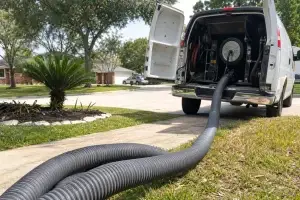
What Should Air Duct Maintenance Include for a Houston Home?
Routine air duct maintenance looks at the full path air takes through your home. It…
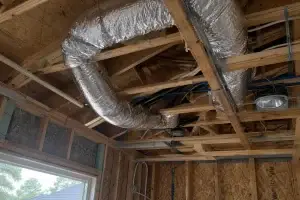
Air Duct Installation Planning for an HVAC Replacement or Home Addition
Plan new ductwork early when replacing HVAC equipment or adding space. Review each room, return-air…
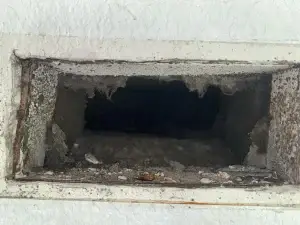
What Is Duct Leakage Testing, and When Is It Worth Scheduling?
Duct leakage testing measures how much heated or cooled air escapes from ductwork. It can…