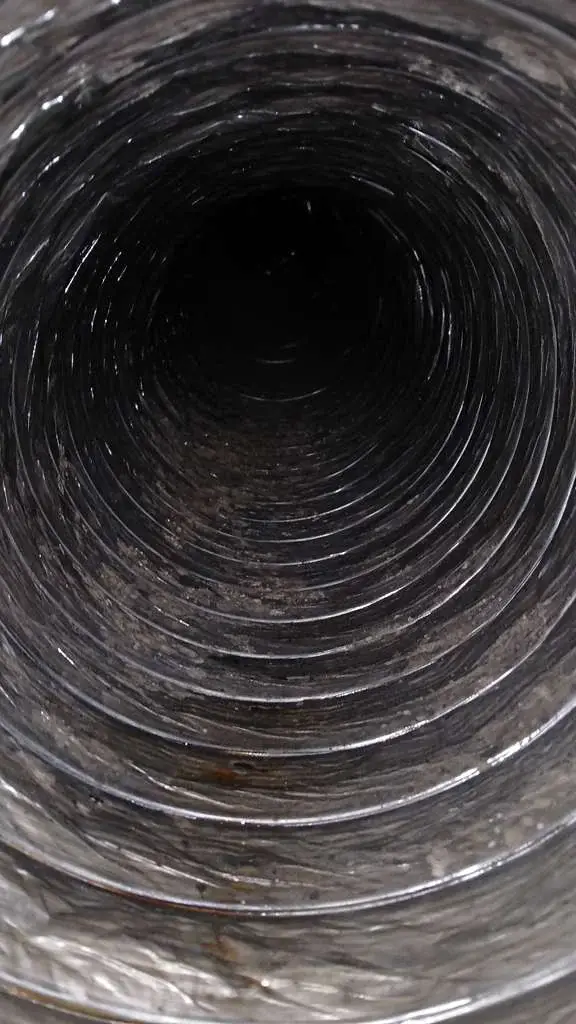


Professional air duct cleaning is a step-by-step service visit. A technician checks the system, protects your home, sets up powerful tools, cleans supply and return ducts, and finishes with final checks. It is not a mystery and it is not a guy with a shop vac and a prayer. A proper visit is organized, careful, and meant to leave your home cleaner than it was when the crew arrived.
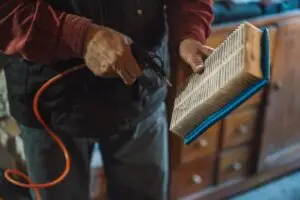
It starts with a walk-through
When a crew first arrives, they usually do a quick walk-through of the home. This helps them learn the layout, find the HVAC system, and see how many vents and returns are in the house. They may ask a few simple questions.
- Have you seen dust blowing out of vents?
- Do certain rooms feel stuffy?
- Any recent remodeling?
- Do you have pets?
That small talk matters. A home with two dogs and a recent kitchen remodel tells a very different story than a quiet townhouse with no pets. Dust, drywall bits, pet hair, and lint all leave clues. Good techs read the room, almost like detectives with vacuums.
They also look at the furnace or air handler, return lines, supply lines, vent covers, and access points. If the home has a Dryer Vent Cleaning service scheduled too, they will inspect that vent path as well. This first part helps them plan the job and avoid surprises once the cleaning starts. For homeowners preparing for service, Contact Us is the best place to schedule with Lone Star Air Duct Cleaning Services.
What the inspection is really looking for
The inspection is not just a quick peek. It helps the crew spot buildup, damage, airflow issues, and signs of moisture. They may check:
- Dust and debris inside supply and return ducts
- Pet hair, lint, or construction debris
- Loose or damaged vent covers
- Mold-like growth or moisture signs
- Duct connections that may need attention
- The condition of the blower area and other reachable HVAC parts
A short safety note here, if a technician sees signs of moisture or damaged ductwork, cleaning alone may not fix the problem. Wet ducts or broken sections can keep causing trouble. A good crew will point that out instead of pretending a cleaning solves everything. In some homes, it may make sense to ask about Air Duct Repair, Air Duct Replacement, or Duct Leakage Testing if those conditions are found.
In many Houston homes, especially older houses and busy family homes, return ducts often hold more buildup than people expect. That is where air gets pulled back into the system, so dust and hair tend to gather there like leaves in a gutter. You can read more about HVAC systems on Wikipedia.
How technicians protect your home before cleaning
This part matters a lot. Nobody wants a service visit that turns the living room into a dust rodeo.
Before the main cleaning begins, technicians protect the home. They may wear shoe covers or use floor protection in work areas. They often place corner guards, drop cloths, or protective coverings near the equipment and vent openings they will use most. If they need to move small furniture items to reach vents, they do it carefully and place things back when finished.
They also seal or cover registers during parts of the process. That helps control airflow and keeps loosened debris moving in the right direction, toward the collection equipment, not into your den.
If access panels need to be opened, the crew uses neat, planned entry points. They are not hacking away at your ductwork like pirates opening a treasure chest. The goal is clean access with as little mess as possible. In some homes, that visit may also lead to recommendations for Air Duct Maintenance or Air Duct Testing based on system condition.
The tools you will probably see
A professional air duct cleaning visit uses more than a vacuum and good intentions. Most crews bring special equipment made for duct systems. Common tools include:
- High-powered vacuum collection units
- HEPA-filtered equipment on some jobs
- Agitation tools, brushes, or air whips
- Negative pressure machines
- Inspection cameras or visual scopes
- Hand tools for vent covers and access panels
- Sealing materials for service openings after the job
The main star is usually the vacuum collection system. This machine creates strong suction through the duct system. Think of it like putting the whole duct network on a controlled inhaling cycle. Once the system is under negative pressure, debris can be loosened and pulled out instead of floating around the house.
Agitation tools do the loosening. These can include spinning brushes, compressed air tools, and whip-like attachments that knock dust and debris off duct walls. Different ducts call for different tools. Flexible duct, sheet metal duct, and fiberglass-lined duct need care and the right method. For the main service itself, homeowners often schedule Air Duct Cleaning and ask whether related solutions like UV Air Purifier options fit their home.
Setup, negative pressure, and why it matters
After inspection and home protection, the crew sets up the equipment. This step often takes longer than homeowners expect, and that is a good thing. Good setup helps the whole job run cleanly and safely.
The vacuum hose connects to the duct system through an access point. Once the system is placed under negative pressure, air flows toward the collection machine. Then the crew works through the vents and branch lines, cleaning section by section.
Why does this matter? Because loosened dust has to go somewhere. If the system is not under proper suction, debris can drift back into rooms. That is the opposite of what anyone wants.
This setup also helps the techs clean with control. They can isolate parts of the system, cover vents they are not working on yet, and move in an orderly path through the home. If airflow concerns come up during setup, services like Duct Balancing or Air Duct Installation may be discussed when appropriate.
What happens during the actual duct cleaning
Now comes the part most people picture. The crew removes vent covers as needed, cleans those covers, and works through the supply and return ducts. They use agitation tools to break loose dust, lint, and debris while the vacuum system pulls it out.
This is not a random wave-and-go routine. A careful team follows a sequence. They often clean one branch at a time, then move to the next. Supply ducts and return ducts are both part of the job. If the service includes reachable HVAC parts, they may also clean components around the air handler, blower compartment, and related areas that collect dust.
The process can be noisy. You may hear the vacuum equipment running, air tools tapping inside the ducts, and vent covers being removed and replaced. It is normal. It can sound like the house has joined a marching band for a little while.
A few things technicians watch during cleaning:
- How much debris is coming out
- Whether airflow changes from one branch to another
- If any vents show unusual blockage
- Whether access points are working as planned
- If there are signs of disconnected or damaged ducts
If something odd shows up, the crew may pause and explain it. That is a good sign. Clear communication usually means they are paying attention. If a separate vent issue is found, homeowners may also want to ask about Dryer Vent Repair, Dryer Vent Installation, or Dryer Vent Maintenance.
What we usually see in Houston, TX
Houston homes often deal with a mix of dust, pet hair, lint, and humidity-related buildup. In neighborhoods near Westheimer or around The Heights, older duct systems may have years of settled debris. In newer homes, post-construction dust can still be an issue if the system ran during remodeling.
Hot weather matters too. Air conditioners in Houston run hard for much of the year, so the system moves a lot of air. More airflow can mean more dust passing through returns and filters. Humidity can also make fine particles cling inside parts of the system. Rainy stretches can add moisture concerns if ducts have leaks or poor sealing. For moisture and efficiency concerns, some homeowners also ask about Attic Insulation or further system evaluation through Air Duct Testing.
How long a typical appointment takes
Most professional air duct cleaning visits take a few hours. The exact time depends on the size of the home, the number of vents, the duct layout, how dirty the system is, and whether dryer vent cleaning is included.
A smaller home or condo may take less time. A large home with many vents, pets, or heavy buildup may take longer. If the crew finds damage, disconnected ducts, or moisture issues, that can also slow things down because they need to explain what they found.
Here is a simple view:
| Home type | Usual appointment time |
|---|---|
| Small condo or apartment | Around 2 to 3 hours |
| Average single-family home | Around 3 to 5 hours |
| Larger home or heavier buildup | Around 5 hours or more |
Fast is not always better. If a full-house cleaning wraps up suspiciously quickly, that can be a red flag. A real job takes setup, cleaning, and final checks. You cannot rush all that and still do it right. Homeowners can also review dryer vent fire safety information from the U.S. Fire Administration.
Final checks and cleanup
Once the cleaning is done, the crew does final checks. This step ties the whole visit together. They make sure vent covers are back in place, access openings are sealed, and the work area is cleaned up. They may also review what they found during the service.
Some technicians may show before-and-after images from inspection tools, if available. That gives homeowners a clearer picture of what was cleaned. It is a lot easier to trust the process when you can actually see the difference.
Final checks may include:
- Confirming all vents are secured
- Making sure access panels are closed and sealed
- Checking that tools and coverings are removed
- Verifying the work area is tidy
- Going over any concerns found during the visit
This last part should feel calm, not rushed. A good service visit ends with answers, not confusion. If follow-up work is needed, Lone Star Air Duct Cleaning Services can also help direct homeowners to Air Duct Maintenance or Contact Us for next steps.
A few common beliefs, and the truth behind them
Myth, air duct cleaning is always messy.
Fact, proper setup and negative pressure help keep dust controlled.
Myth, every home needs cleaning all the time.
Fact, timing depends on pets, dust load, remodeling, filters, and system use.
Myth, duct cleaning fixes every airflow problem.
Fact, blocked ducts are only one possible cause. Leaks, bad filters, or HVAC issues can play a part too.
Myth, all cleaning tools work the same.
Fact, duct material and system layout affect which tools a crew should use.
If you notice this, here is the next step
- If vents blow visible dust, then schedule an inspection.
- If one room feels weak on airflow, then ask the crew to check that branch line.
- If you had remodeling done, then mention it during the walk-through.
- If there is a musty smell, then ask about moisture signs in ducts or near the air handler.
- If your dryer takes too long to dry clothes, then have the dryer vent checked too.
Depending on what is found, the next step may involve Air Duct Cleaning, Dryer Vent Cleaning, or a call to Contact Us for scheduling.
A simple care plan for the system
You do not need a complicated plan pinned to the fridge with ten colored markers. Keep it simple.
Weekly
Take a quick look at vents and returns. If you see dust buildup on covers, wipe the outside surfaces. Listen for odd sounds from the HVAC system.
Monthly
Check the air filter. If it looks dirty, replace it based on the filter type and system use. Homes with pets often need more frequent checks. Also look around vents for dust streaks or signs of moisture.
Yearly
Have the HVAC system inspected and ask whether duct condition or airflow issues need attention. If your home has heavy dust, pets, allergies, recent remodeling, or a long dryer vent run, a yearly review helps catch trouble early. For ongoing care, homeowners may consider Air Duct Maintenance and Dryer Vent Maintenance.
Why weather plays a part in Houston
Houston weather keeps HVAC systems busy. Long hot months mean your AC runs hard and pulls lots of air through the ductwork. More use can mean more dust cycling through returns. Humid air can also make some grime stick around longer. After strong rain, small leaks in attics or duct joints may lead to moisture concerns that should not be ignored.
Cold snaps matter too, even if they do not stay long. When systems switch modes or run after sitting idle, people may notice dust smells or airflow changes. That does not always mean a major problem, but it is worth checking if it keeps happening. In some cases, services such as Duct Balancing or Duct Leakage Testing may help identify what is going on.
FAQs
What does professional air duct cleaning include?
It usually includes inspection, setup, protecting the home, placing the system under suction, cleaning supply and return ducts, and final checks. Some visits also include reachable HVAC parts and dryer vent service.
How long does air duct cleaning take?
Many homes take around 3 to 5 hours. Smaller homes may take less time. Larger homes or dirtier systems may take longer.
Will dust blow into my house during the cleaning?
A proper crew uses negative pressure, vent covers, and controlled tools to keep debris moving toward the collection equipment. Some noise is normal, but the goal is to keep the mess contained.
Do technicians need to cut into ductwork?
Sometimes they need access points to connect equipment or reach parts of the system. These openings should be planned, neat, and sealed after the work is finished.
Is air duct cleaning safe for all duct systems?
Different duct materials need different methods. A trained crew should choose tools that fit the duct type and condition. If there is damage, they should explain that before moving ahead.
Should dryer vents be cleaned during the same visit?
They often can be, and many homeowners like to bundle the service. Dryer vents collect lint and can affect dryer performance, so it makes sense to ask during scheduling. Lone Star Air Duct Cleaning Services offers Dryer Vent Cleaning for homeowners who want to include it in the same appointment.
How do I know if my Houston home may need service?
Common signs include visible dust from vents, musty smells, heavy pet hair, recent remodeling, weak airflow in some rooms, or a system that seems to collect dust quickly.
What happens after the cleaning is done?
The crew replaces vent covers, seals access points, cleans the work area, and goes over any findings with you. A solid final review helps you know what was done and what to watch next.
If you want a careful, professional visit for your home in Houston, Lone Star Air Duct Cleaning Services can help with air duct and dryer vent service. A clean system can support better airflow, less dust around vents, and a cleaner path for the air moving through your home. Call (832) 430-1849 or visit https://lonestarairductcleaningservices.com/ to schedule service.