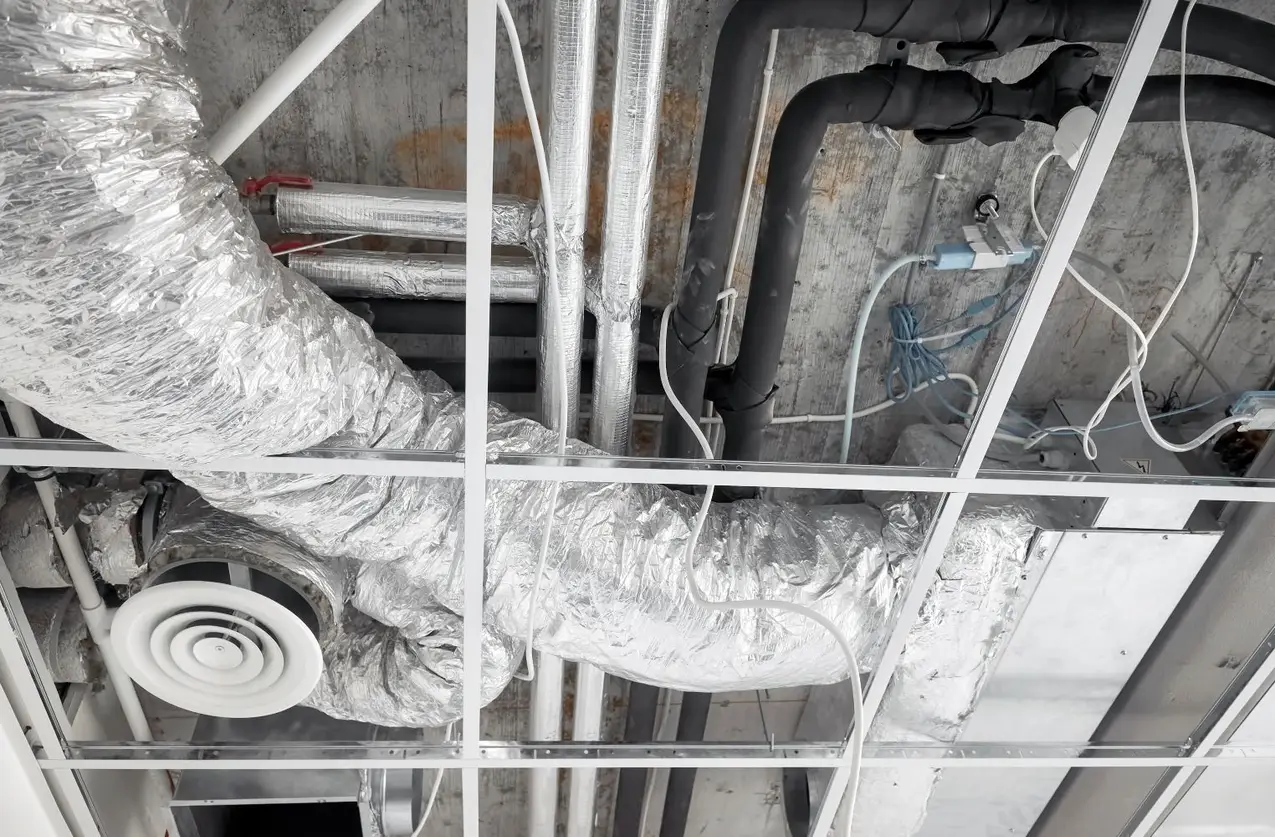

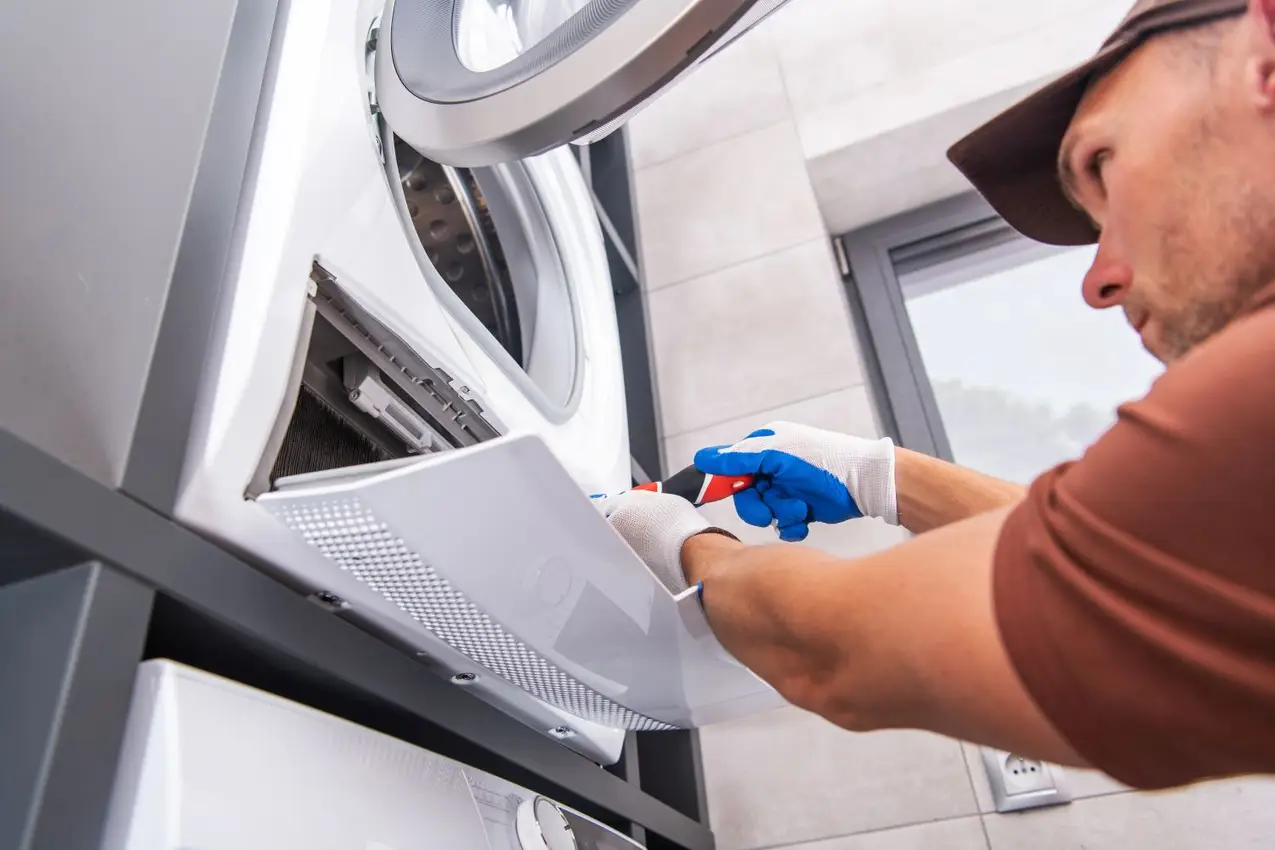
A clear dryer vent can help lower energy bills because hot, wet air leaves the dryer faster. That helps clothes dry in fewer cycles, keeps the dryer cabinet cooler, and helps energy use stay more steady. When lint clogs the vent line, your dryer has to work like a pickup truck stuck in mud, lots of noise, lots of effort, not much progress.
Why a clean dryer vent saves money
Your dryer needs airflow. That is the whole game.
When the machine heats up, it pushes warm air through the drum and out through the vent line. That moving air carries moisture away from your clothes. If the vent line is packed with lint, crushed behind the dryer, or blocked near the outside flap, the air slows down.
Then the trouble starts.
Clothes stay damp longer. You run another cycle. The dryer gets hotter. The cabinet feels warm to the touch. The laundry room turns into a mini sauna. Your energy use goes up because the dryer runs longer than it should.
That is why Dryer Vent Cleaning and lower energy bills go hand in hand. Shorter dry cycles use less power or gas. A dryer that breathes well does not need to huff and puff like the big bad wolf after leg day.
What is happening inside the vent line
Lint looks soft and harmless. In a vent, it acts more like a traffic jam.
Each load drops tiny fibers into the lint trap. The trap catches a lot, but not all of it. Some lint gets past the screen and moves into the duct. Over time, that buildup sticks to the vent walls. Turns and bends in the line catch even more lint.
Now add moisture.
Damp lint can cling to the inside of the vent. If the vent run is long, has too many bends, or uses the wrong duct material, airflow gets even worse. The dryer then runs longer to do the same job.
Think of it like trying to drink a milkshake through a coffee stirrer. The machine is trying. The path is the problem.
Signs your dryer vent may be driving up your bill
You do not need a lab coat to spot the clues. Most homeowners notice the problem in everyday ways.
Look for these signs:
- Clothes need two or more cycles to get dry
- Towels come out warm but still damp
- The dryer cabinet feels hotter than normal
- The laundry room gets humid during a cycle
- You smell a dusty or slightly burnt odor
- The outside vent flap barely opens
- Lint shows up around the dryer or vent opening
- Your energy bill looks jumpy without a clear reason
If you hear someone say, “Why are the jeans still wet?” that is often the first alarm bell.
Shorter dry cycles mean real savings
The money-saving side is simple.
A dryer that finishes a load in one normal cycle uses less energy than a dryer that needs one full cycle and one extra cycle. Even a small increase in run time adds up over weeks and months.
Here is a simple look:
| Dryer condition | Typical result | Energy impact |
|---|---|---|
| Clear vent line | Clothes dry faster | More stable energy use |
| Partial lint buildup | Longer dry time | More energy used per load |
| Heavy blockage | Multiple cycles, hotter dryer | Highest waste |
The bill does not usually spike from one load. It creeps up load by load, week by week. That is how many home problems work. They do not kick in the front door, they sneak in through the side gate.
Cooler dryer cabinets are a good sign
A dryer should get warm. It should not feel like it wants its own weather report.
When airflow is weak, heat stays trapped in the machine and vent line longer. That can make the dryer cabinet hotter than normal. A hotter cabinet often points to longer run times and more strain on parts.
A cooler cabinet usually means heat is moving where it should, out of the dryer and out of the house. That is better for the machine and better for energy use.
Quick safety note, if the dryer feels very hot, smells burnt, or shuts off mid-cycle, stop using it until the vent and machine are checked.
Gas and electric dryers both feel the pain
Some people think this only matters for electric dryers. Not true.
Electric dryers use heating elements and fans. Gas dryers use a burner and airflow. Both need the vent to move air out fast. When airflow drops, both types can run longer and waste energy.
The fuel source may differ. The airflow rule stays the same.
What we usually see in Houston, TX
In Houston homes, lint buildup often gets worse when vent lines are long or have extra bends. We also see issues in homes with laundry rooms tucked into the middle of the house, where the vent has a longer path to the outside. Near neighborhoods with older homes and remodels, the vent route can be a bit of a maze.
Around areas near Katy Freeway and Beltway 8, many homes and townhomes have tight laundry spaces. That can lead to crushed hoses when the dryer gets pushed back too far. In apartments and condos, shared walls and shorter utility closets can make airflow trouble harder to spot until dry times jump.
Houston weather can make the problem feel worse
Houston heat and humidity are no joke. Your dryer already works to remove moisture from clothes. When the air outside is sticky, the whole system can feel less efficient if the vent is dirty.
Humid weather can make lint hold moisture longer. That can help lint cling inside the vent line. Heavy rain can also expose issues with outside vent covers if they are damaged or stuck. In cooler months, people often dry heavier clothes, blankets, and towels, which create more lint and more demand on the vent.
The weather is not the main villain. It just gives a clogged vent a bigger stage.
Why the lint screen is not enough
The lint screen helps, but it is not a full shield.
Fine lint slips past it. So do pet hair and fabric fuzz. Dryer sheets can leave a film on the screen too. That film slows airflow through the screen itself, even when it looks clean.
Try this simple check. Run water over the lint screen. If water pools on top instead of flowing through, the screen may have residue on it. A gentle wash can help.
Still, even a clean lint screen does not clean the vent duct. Both matter. Learn more about Dryer Vent Maintenance and when a full vent line check makes sense.
A quick story from everyday life
A homeowner might say, “My dryer still works, so the vent must be fine.”
Then laundry day turns into laundry afternoon.
That is common. Dryers often keep running while the vent gets worse little by little. People adapt. They add an extra cycle. They dry smaller loads. They shrug and move on.
Then someone cleans the vent and says, “Wait, the towels dried the first time?” That moment is the giveaway. The machine was not lazy. It was suffocating.
A simple way to troubleshoot the issue
Use this short list to narrow things down:
- If clothes are still damp after one cycle, then check the lint screen, outside vent flap, and vent hose behind the dryer
- If the dryer feels hotter than usual, then stop and check for poor airflow or a blocked vent
- If the outside flap does not open much during a cycle, then the vent line may be clogged
- If the hose behind the dryer is crushed, then pull the dryer forward carefully and straighten the line
- If dry times stay long after basic checks, then the vent line may need full cleaning
- If you smell burning or the unit shuts off, then stop using the dryer until it is checked
These steps are simple and practical. No crystal ball needed.
Common claims people hear, and the real story
Myth, “If I clean the lint trap, the vent is clean enough.”
Fact, The lint trap catches only part of the lint.
Myth, “Longer dry time just means the dryer is getting old.”
Fact, Age can matter, but poor vent airflow is a common cause.
Myth, “A hot dryer means it is drying better.”
Fact, Too much trapped heat often points to poor venting, not better drying.
Myth, “If the vent flap opens a little, airflow is fine.”
Fact, Weak airflow can still mean a blockage inside the line.
Care schedule that helps keep energy use steady
A simple routine beats waiting for trouble.
Weekly
- Clean the lint screen after every load
- Look for lint around the dryer door and floor
- Notice if clothes are taking longer to dry
Monthly
- Check behind the dryer for a crushed or twisted hose
- Watch the outside vent flap during a cycle, it should open well
- Wash the lint screen if you use dryer sheets often
Yearly
- Have the full dryer vent line checked and cleaned
- Inspect the outside vent cover for damage or sticking
- Check for loose joints, long runs, or extra bends that hurt airflow
Homes with large families, pets, or lots of towel loads may need more frequent care.
Small habits that help your dryer work better
You do not need to baby the machine. Just help it out.
Do these things:
- Do not overload the drum
- Spin clothes well in the washer first
- Separate heavy items from light ones
- Keep the area behind the dryer clean
- Avoid smashing the vent hose when pushing the dryer back
Little habits matter. A vent line likes a smooth path, not a wrestling match.
Why stable energy use matters
Many people only look for a huge jump in the utility bill. Dryer vent trouble often shows up as uneven use instead.
Maybe one month seems normal. The next creeps up. Then it dips. Then it rises again during busy laundry weeks. A dirty vent can make energy use less steady because each load takes longer based on how blocked the line is and how damp the clothes are.
A clean vent helps the dryer perform more the same way from load to load. That makes your energy use easier to predict. Your wallet likes that.
Home types where vent issues show up a lot
Dryer vent trouble can happen anywhere, but a few setups show up more often:
- Two-story homes with long vent runs
- Townhomes with tight utility closets
- Older homes with older duct paths
- Apartments where the vent route is hidden
- Laundry rooms placed far from an outside wall
If the vent path is long or winding, cleaning matters even more. Air likes the easy road. Too many turns make it lose steam.
FAQs
Does dryer vent cleaning really lower energy bills?
Yes, it can. A clear vent helps clothes dry faster, so the dryer runs for less time. Less run time usually means less energy used per load.
How often should a dryer vent be cleaned?
Many homes do well with yearly cleaning. Homes with pets, big families, or heavy laundry use may need it sooner.
Why is my dryer hot but my clothes are still damp?
That often points to poor airflow. Heat is building up, but moisture is not leaving the machine fast enough.
Can a clogged dryer vent damage the dryer?
It can add strain to parts because the dryer runs longer and hotter. That may lead to more wear over time.
Is the lint trap enough maintenance by itself?
No. It is helpful, but lint still gets into the vent line. The trap and the vent both need attention.
Does Houston humidity affect dryer vent performance?
Yes, it can. Humid air and damp lint can make buildup stick more inside the vent. That can slow airflow.
Where is the outside dryer vent flap usually located?
It is often on an outside wall, sometimes near the ground, on a side wall, or near the back of the home. In some homes, it may vent through the roof.
What should I do if the outside vent flap does not open?
Check for visible lint or debris first. If it still barely opens during a cycle, the vent line may be blocked and should be checked.
If your dryer runs too long, feels too hot, or leaves clothes damp, Lone Star Air Duct Cleaning Services can help clear the vent line and help your dryer run with better airflow in Houston, TX. A clean vent can mean shorter dry cycles, cooler dryer cabinets, and more steady energy use in your home. Call (832) 430-1849 or visit https://lonestarairductcleaningservices.com/.
You can also explore Dryer Vent Repair, schedule service through Contact Us, or review general dryer safety information from the U.S. Fire Administration and background on clothes dryers.