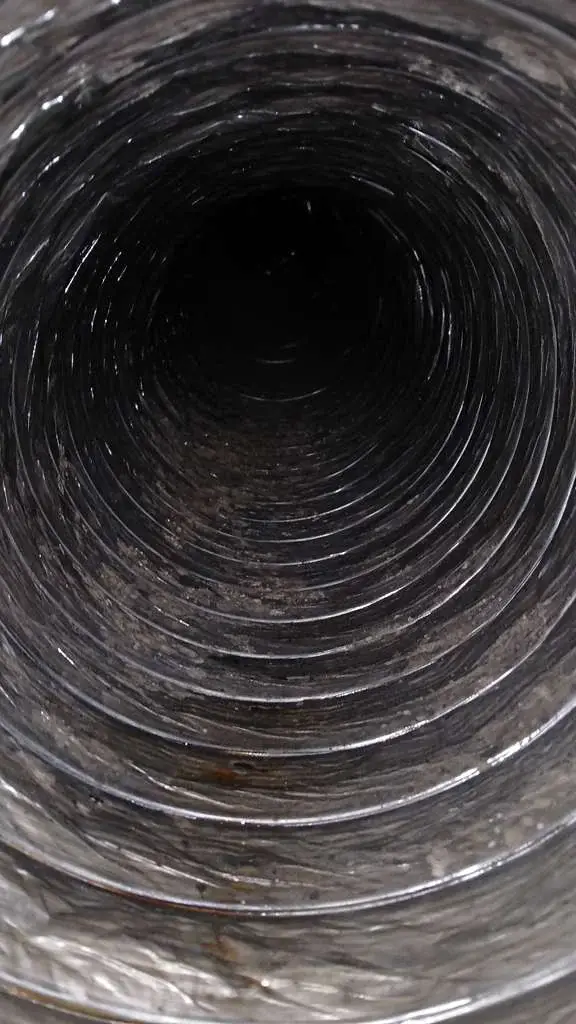

A dryer vent hood flap gets stuck open or closed most often from lint buildup, a bent or rusty flap, a weak spring, or a vent line that pushes air poorly. When the flap cannot move right, your dryer cannot breathe. Clothes take longer to dry, the flap may rattle, and outside air, rain, or critters can sneak in. The good news is you can check a few simple things fast and know if you need cleaning or a repair.
What the vent hood flap is supposed to do
That little flap on the outside wall is like a bouncer at a door.
When the dryer runs, warm air pushes the flap open and exits the home.
When the dryer stops, the flap falls shut and blocks backdrafts, rain, and pests.
If it sticks open, it is like leaving the garage door cracked all night. Stuff can get in.
If it sticks closed, it is like trying to breathe through a straw. Your dryer struggles.
Signs your exterior vent flap is not working right
You do not need special tools to spot trouble. Watch for these clues.
- The flap stays open when the dryer is off
- The flap barely opens when the dryer runs
- Clothes take two or more cycles to dry
- The laundry room feels hot or humid during a run
- You smell a musty odor near the dryer or vent
- You hear a tapping or rattling at the outside wall
- Lint shows up on the siding or brick around the hood
A quick line to remember, “If the flap won’t clap, the vent needs a map.” Meaning, track down what is blocking it.
Common reasons a dryer vent hood flap stays stuck open
Lint buildup at the hood
Lint is sneaky. It rides the airflow, then piles up at the exit like leaves in a gutter.
It can pack around the hinge or the edges of the flap. That keeps the flap from closing all the way. Even a small clump can act like a doorstop.
What it looks like outside:
- A fuzzy ring around the vent hood
- Lint clinging to the flap seam
- A flap that closes most of the way but not tight
A flap hinge that is gummed up
Some hoods have a simple plastic hinge. Others have a pin hinge. Both can get sticky.
Add lint, dust, and a bit of moisture, then the hinge starts moving like it has peanut butter in it.
Wind holds it open
Houston storms can blow hard, and gusts can keep a light flap from sealing. If the hood sits on a windward wall, the flap may hang open more often.
That is not always a vent line problem. It can still be a hood problem, like a flap that is too light, warped, or missing a good stop.
Flap is warped or cracked
Sun and heat can warp plastic over time. Once the flap bends, it may not sit flat. It can also crack near the hinge and hang at a weird angle.
If your hood is on a wall that gets full afternoon sun, it takes a beating.
Rust or corrosion on metal hoods
Metal hoods can rust at the hinge or spring. Rust adds friction. Friction wins. The flap loses.
This shows up a lot when the hood is older, or when rain hits the wall and takes a long time to dry.
Poor installation angle
A vent hood should sit flat and let the flap swing free. If it is tilted, squeezed, or screwed too tight, the flap can bind.
Even a small twist can do it. Think of a door frame that is out of square. The door drags.
Missing or weak closing spring
Some vent hoods use a spring to help the flap return closed. Springs can break, pop loose, or get weak.
If the flap closes only halfway, or it hangs open after the dryer stops, a spring issue is possible.
A pest made a “home upgrade”
Birds and rodents love warm, hidden spots. A stuck open flap can be an open invite.
You may find:
- Nest material near the hood
- Scratches on the flap
- Odd noises in the wall during the day
Safety note, do not reach into a vent if you suspect an animal is inside. Call a pro.
Common reasons a dryer vent hood flap stays stuck closed
Lint clog in the vent line
A flap that will not open during a run often points to low airflow.
Low airflow can come from lint buildup inside the duct, behind the dryer, or at a tight bend. The dryer pushes, but not hard enough to open the flap fully.
What you notice:
- Dryer runs hot
- Loads take longer
- Lint screen fills fast
- Flap barely moves outside
Crushed or kinked duct behind the dryer
This happens a lot after moving the dryer, new floors, or a “quick push back” after cleaning.
A crushed duct cuts airflow like stepping on a garden hose. The flap may stay shut or open only a crack.
Wrong duct material or bad transitions
Some homes still have thin foil flex duct that sags and traps lint. Some have long runs with too many turns.
Each turn adds resistance. Resistance steals airflow. The flap stays closed or flutters.
Ice, mud, or debris at the hood
Houston does not see much ice, but cold snaps do happen. A wet flap can freeze during rare hard freezes.
More common is debris. Mulch, grass clippings, or mud dauber activity near the hood can block movement.
A damper flap that is too tight
Some hoods are built with a stiff damper. If the dryer is older or the run is long, the dryer may not push enough air to open it well.
Why a stuck vent flap matters more than people think
A vent hood flap looks small, but it plays big defense.
Airflow and dry times
If airflow drops, your dryer works longer. That can mean:
- Higher energy use
- More wear on the dryer
- Hotter laundry room
Moisture and indoor comfort
When venting is weak, moist air may not leave fast. That can add humidity indoors, which feels rough in Houston summers.
Pests and pests again
A flap stuck open is a welcome mat for:
- Birds
- Squirrels
- Rats and mice
- Roaches looking for shelter
Nobody wants to tell the family, “The dryer vent has roommates.”
Weather protection
When the flap will not close, rain can blow into the hood. Over time, moisture can add to lint clumps and speed up rust.
Houston rain can come sideways, and it can come fast.
What we usually see in Houston, TX
Homes here face heat, humidity, and sudden downpours. Those three can team up on your vent system.
- Plastic hoods warped from sun exposure
- Lint plus humidity making sticky clumps at the hinge
- Metal hoods with rust around the pivot point
- Vents near driveways or side yards that collect dust and yard debris
If you live near busy roads like Westheimer or near neighborhoods like Spring Branch, outdoor dust and traffic grime can also stick to the hood and help lint cling.
Simple troubleshooting steps you can do today
Turn the dryer off before you check anything. If you need to move the dryer, ask for help. Dryers are heavy, and toes are not steel.
Use this quick “If X, then Y” list to narrow it down.
- If the flap stays open when the dryer is off, then look for lint stuck in the hinge or a weak spring.
- If the flap stays closed while the dryer runs, then suspect low airflow from a clog or crushed duct.
- If the flap opens only a little, then check for a kink behind the dryer or a long, bend-heavy vent run.
- If the flap rattles in the wind, then the hood may be loose, tilted, or missing a stop.
- If you see nesting material, then stop and call for help, do not pull it out with your hand.
- If you see rust flakes or a cracked flap, then the hood may need replacement.
- If lint shows up outside but the flap still sticks, then the vent line may also need cleaning.
If you want help restoring airflow and addressing lint buildup at the source, see Dryer Vent Cleaning or Contact Us.
Quick checks that take five minutes
Check the outside flap while the dryer runs
Start the dryer on air fluff or timed dry.
Go outside and watch the flap.
- Strong flow should push it open steady.
- Weak flow makes it barely wiggle.
If you can safely feel the air, it should be warm and steady.
Look for lint at the seam
If you see lint packed in the corners, you likely found at least part of the cause.
Do not use sharp tools that crack the flap. A soft brush is safer.
Listen for odd sounds
A “tick tick tick” can mean the flap is bouncing because it cannot open fully. That often points to a restriction in the duct.
Check the dryer lint screen and door area
If the lint screen area is packed or the screen is torn, lint may be bypassing and building up faster in the line.
Common myths and quick facts
Myth: “If the dryer still dries, the vent is fine.”
Fact: Drying can still happen with poor airflow, it just takes longer and strains the system.
Myth: “The outside flap sticking is only an outside hood problem.”
Fact: Many stuck closed flaps come from clogs or crushed ducting inside.
Myth: “More flap movement means better venting.”
Fact: A flap that slaps wildly can mean wind issues or a loose hood, not great airflow.
Myth: “A screen over the vent hood keeps pests out with no downside.”
Fact: Many screens trap lint fast and can block airflow. Use the right pest guard style, not a lint catcher.
How Houston weather plays a role
Heat can warp plastic flaps and soften old seals.
Humidity can make lint clump and stick to hinges.
Heavy rain can push water toward an open flap and keep metal damp long enough to rust.
Cold snaps can stiffen parts and, in rare cases, freeze a wet flap shut.
A good vent hood and a clean line help you ride out all seasons with fewer surprises.
For general home ventilation guidance, you can also review EPA ventilation and indoor air quality.
When cleaning is enough and when parts need repair
Cleaning may solve it when:
- Lint is visible at the hinge or hood edges
- Airflow is weak but improves after lint is removed
- The flap moves fine once debris is gone
Repair or replacement may be needed when:
- The flap is cracked, warped, or missing pieces
- The hinge pin is worn out
- Rust is heavy at the pivot point
- The hood sits crooked or the wall opening is rough
- The damper is too stiff for your vent run and dryer
If you are not sure, do not guess. A wrong hood or a bad install can keep the problem coming back.
If the issue ties back to the vent run or routing, Dryer Vent Maintenance can help keep airflow steady.
Care schedule that keeps the flap from sticking
Keep it simple. A little routine beats a big surprise.
Weekly
- Clean the dryer lint screen every load, and do a quick look for tears once a week.
- Wipe lint off the door seal area if you see it.
Monthly
- Step outside and watch the vent flap during a run.
- Brush off any lint stuck to the hood face and flap edge.
Yearly
- Have the full dryer vent line cleaned and checked for crushed sections, loose joints, and bad routing.
- Replace a worn or damaged exterior hood if it does not close clean.
If you do a lot of laundry, big family, work clothes, gym gear, pets, move the yearly check closer. Lint adds up like change in a cup holder. Slow at first, then suddenly it is everywhere.
For additional dryer safety context, you can review the U.S. Fire Administration information on home fire safety at usfa.fema.gov.
FAQs
Why is my dryer vent flap stuck open when the dryer is off?
Most often it is lint stuck at the hinge, a weak or broken spring, wind pushing on a light flap, or a flap that is warped and cannot sit flat.
Why is my dryer vent flap not opening when the dryer is on?
That usually points to low airflow. Common causes are lint buildup in the vent line, a crushed duct behind the dryer, or too many bends in the run.
Can I oil the hinge to stop it from sticking?
Skip oily sprays. They can grab dust and lint and make a sticky paste. A better fix is removing lint and replacing a worn hood if needed.
Is it normal for the flap to move a little in the wind?
A little movement is common. Loud rattling or a flap that stays wide open is not. Check if the hood is loose or tilted.
What animals can get in through an open dryer vent flap?
Birds, squirrels, rats, mice, and insects can use it. If you suspect an animal, avoid reaching in, and get help.
How do I know if my dryer vent is clogged?
Long dry times, hotter laundry room, burning smell from lint, weak airflow at the outside hood, and a flap that barely opens are common signs.
Where is the exterior dryer vent on most Houston homes?
Often on a back wall near the laundry room, sometimes on a side wall near a side yard or driveway. Townhomes and two story homes may route vents longer, which can raise clog risk.
Should I replace the vent hood if it is old but still there?
If it is cracked, warped, rusted at the hinge, or will not close tight after cleaning, replacement can stop pest entry and backdrafts.
Lone Star Air Duct Cleaning Services helps Houston homeowners fix dryer vent hood flap problems at the source, with dryer vent cleaning and vent checks that restore airflow and help the flap close right to block pests and weather. Call (832) 430-1849 or visit https://lonestarairductcleaningservices.com/ to schedule service. You can also use Contact Us to request an appointment.