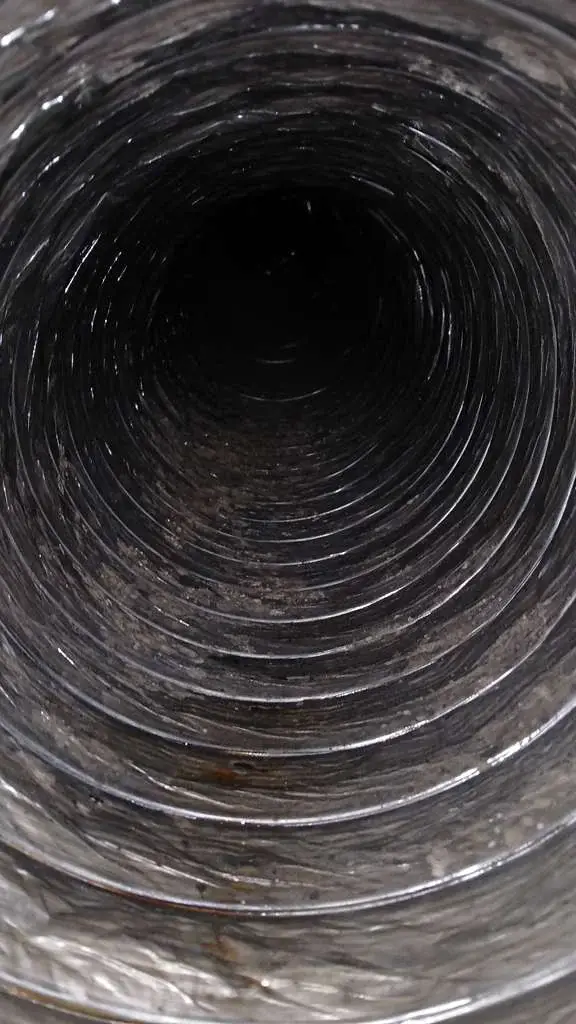

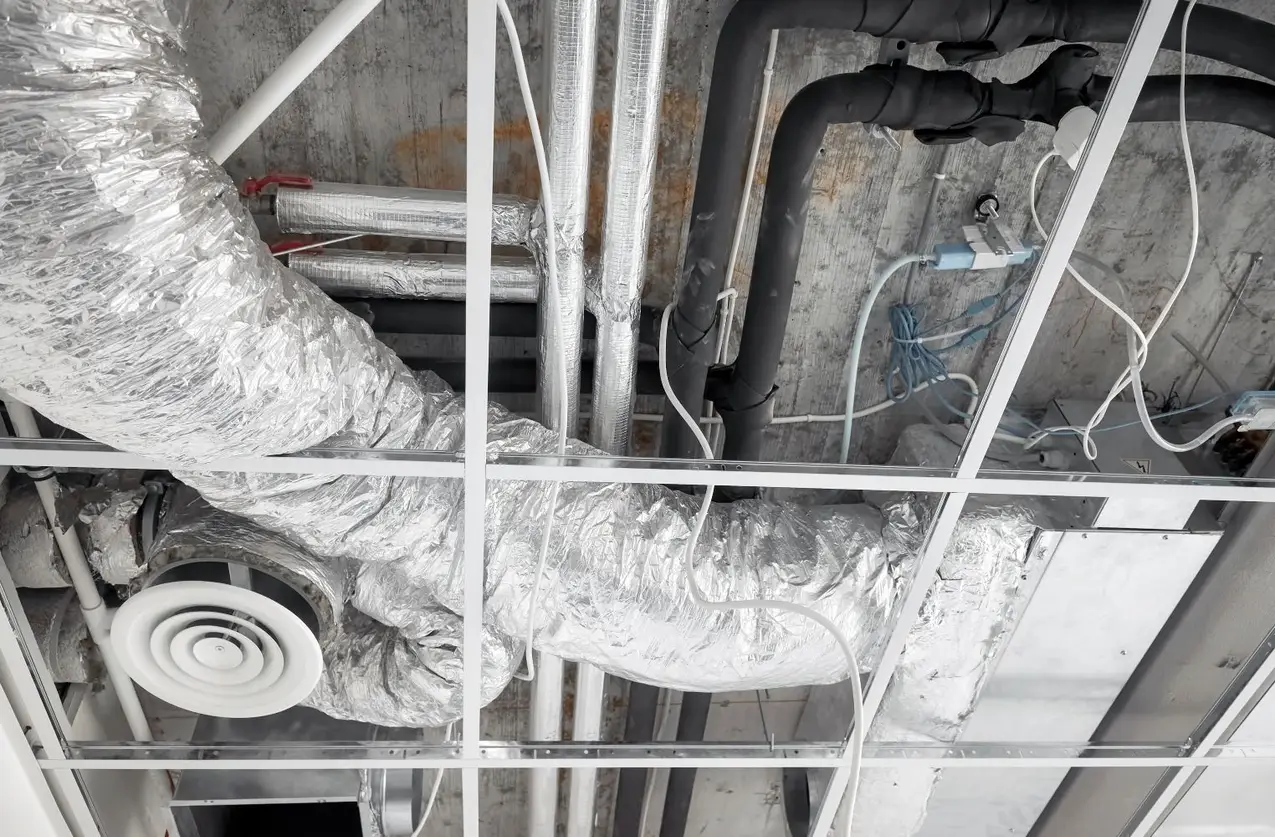
Crushed ducts and disconnected air ducts can make your home feel uneven, stuffy, loud, and costly to cool or heat. Air gets lost before it reaches your rooms, so your system runs longer and works harder. That can mean weak airflow, higher energy bills, extra wear on HVAC parts, and rooms that never seem to get comfortable no matter how low you set the thermostat.

Why damaged ducts cause big comfort problems
Your duct system is like a highway for air. When that highway gets pinched, bent, or broken apart, traffic jams start. Air cannot move the way it should. Some rooms get too much air. Others get barely a whisper.
A crushed duct gets squeezed. A kinked duct bends too sharply. A disconnected duct dumps air into the attic or crawl space instead of the room you paid to cool or heat. That lost air does not help your family. It just makes your HVAC system hustle harder for no good reason.
This often shows up as:
- Hot and cold spots around the house
- Weak airflow from vents
- Longer run times
- Extra noise from vents or equipment
- Dusty rooms
- High utility bills
If your upstairs feels like a toaster in summer while the downstairs feels fine, damaged ductwork may be part of the trouble. If you need help identifying airflow issues, Air Duct Testing and Duct Leakage Testing can help narrow things down.
What happens when a duct gets crushed
A crushed duct is not always fully blocked. Sometimes it is partly smashed by storage boxes, a careless step in the attic, poor hanging straps, or something resting on it for a long time. Even a partial squeeze can cut airflow a lot.
Think of drinking a milkshake through a bent straw. You can still sip, but you have to work for it. Your HVAC system does the same thing. It pushes harder and runs longer.
That can lead to:
- Less air reaching the room
- More strain on the blower
- More noise as air tries to force through a tight spot
- Poor comfort even when the unit seems to be running fine
Flexible ducts are common in homes, and they can sag, kink, or flatten if not supported well. Metal ducts can also get dented or loose at joints. In some cases, Air Duct Repair or Air Duct Replacement may be the right next step.
What happens when a duct gets disconnected
A disconnected duct is often worse. Conditioned air blows into the attic, crawl space, garage area, or wall cavity. That is like trying to fill a bucket with a hole in the bottom. You are paying for cool or warm air that never makes it to the room.
A loose connection can happen from age, vibration, poor installation, pests, or work done by someone crawling through the attic. Once that duct separates, the room at the end of the run may get little to no airflow.
You may notice:
- One room suddenly feels way hotter or colder than the rest
- A vent has almost no airflow
- The attic feels oddly cool near a duct leak in summer
- Your system runs for long stretches
- Bills climb without a clear reason
This kind of damage should not be ignored. Air loss wastes energy and puts extra stress on your system. Services like Air Duct Repair, Duct Balancing, and Air Duct Maintenance may help depending on the condition.
Why weak airflow affects more than comfort
Weak airflow is not just annoying. It can create a chain reaction through the whole home.
When air does not move right, rooms stay uncomfortable. People start closing vents, cranking the thermostat, or using space heaters and fans to fight the problem. That can make things worse.
Poor airflow can also affect:
- Humidity control
- Filter performance
- Dust movement
- System run time
- Wear on motors and other parts
Your HVAC system works best when air moves freely. When ducts are damaged, the system may act like a pickup truck pulling a boat with two flat tires. It can still move, but not happily. You can learn more about airflow systems from Wikipedia.
Why damaged ducts raise energy bills
Your HVAC system uses power every time it runs. If cooled or heated air escapes before it reaches the living space, the thermostat keeps asking for more. The system answers by staying on longer.
That longer run time means:
| Duct issue | What happens | What you may notice |
|---|---|---|
| Crushed duct | Airflow gets restricted | Weak vent output, noisy vents |
| Kinked duct | Air path narrows sharply | Uneven rooms, longer cycles |
| Disconnected duct | Air escapes into attic or crawl space | Big comfort drop, higher bills |
| Leaky joint | Some air loss at connections | Dust, uneven temps, wasted energy |
The cost issue is simple. Lost air equals wasted work. Wasted work equals more power use. For efficiency-related information, see Energy.gov. If needed, Duct Leakage Testing and Duct Balancing can help identify where performance drops are happening.
Noise is a clue, not just a nuisance
Many people notice noise before they notice anything else. A whistling vent, rattling sound, or whooshing noise can point to trouble in the ducts.
When air gets forced through a tight section, it can sound louder than normal. When a duct is loose, it may move or flap when the system starts. When a connection is open, you may hear air rushing in the attic.
Noise does not always mean a damaged duct, but it is a clue worth checking. Your system should not sound like it is trying out for a drum solo every time it turns on. A professional inspection through Air Duct Testing or Air Duct Maintenance can help sort that out.
What we usually see in Houston, TX
In Houston homes, we often see flex ducts in attics that have sagged, been stepped on, or pulled loose near boots and joints. Homes near areas like Katy Freeway and The Heights can have attic systems that take a beating from long heat seasons. We also see crawl space or low-clearance duct issues in older homes and some pier-and-beam structures.
Houston weather does not do ductwork many favors. Long hot months heat attic spaces fast. High humidity can add stress to insulation and make comfort problems feel worse. Heavy rain can also matter if a crawl space gets damp or if water finds a path near duct runs. Even short cold snaps can expose airflow problems fast because weak rooms become obvious overnight. Related services like Attic Insulation and Air Duct Maintenance may support better overall comfort.
Signs you may have crushed or disconnected air ducts
You do not need fancy gear to spot the early signs. Start with what your home is telling you.
Watch for these clues:
- One or two rooms never get comfortable
- Air from a vent feels weak
- Energy bills rise without a clear cause
- You hear whistling, banging, or rushing air
- The system seems to run longer than it used to
- Dust builds up faster in certain rooms
- An upstairs area feels much worse than the rest of the home
If a room used to feel fine and suddenly does not, that is a big clue. Duct damage can happen over time, or all at once if a connection comes apart. If these signs sound familiar, Contact Us to schedule an inspection.
A quick way to think through the problem
- If one room has weak airflow, then check that vent first and note whether nearby rooms feel normal.
- If several rooms have weak airflow, then the issue may be farther back in the duct run or near the main trunk.
- If airflow is weak and the attic is cooler than usual in summer, then a duct may be disconnected and dumping air there.
- If the system is noisy at start-up, then look for loose or kinked duct sections.
- If bills climbed after attic work or other repairs, then a duct may have been moved, crushed, or pulled loose.
- If the filter is dirty fast and comfort is uneven, then ask for a duct inspection along with airflow checks.
These steps help narrow the issue. They do not replace a hands-on inspection. Services such as Air Duct Testing, Duct Leakage Testing, and Duct Balancing can help confirm the cause.
Common causes in attics and crawl spaces
Duct damage often starts with something simple.
Common causes include:
- People stepping on flex ducts in the attic
- Boxes or stored items pressing on duct runs
- Poor support straps that let ducts sag
- Sharp bends that pinch airflow
- Old tape or clamps failing at joints
- Rodents or pests damaging insulation or connections
- Vibration over time near the air handler
- Work by other trades moving ducts out of place
Attics are rough places for HVAC parts. Heat builds up, space is tight, and not everyone watches where they step. Crawl spaces have their own troubles, moisture, low clearance, and critters that act like they pay rent. If sections are damaged, Air Duct Repair or Air Duct Installation may be needed.
A few myths that trip people up
Myth: If air is coming from the vent, the duct is fine.
Fact: A crushed duct can still pass some air, just not enough.
Myth: A noisy vent is normal in an older home.
Fact: Age can play a part, but noise can also point to restricted or loose ductwork.
Myth: Closing vents in unused rooms fixes weak airflow.
Fact: That can upset airflow balance and add stress to the system.
Myth: High bills always mean the HVAC unit is old.
Fact: Damaged ducts can waste a lot of conditioned air even when the equipment still runs.
Why Houston weather makes this issue feel worse
Houston summers are long, hot, and sticky. When attic ducts leak or get crushed, that lost cooling hurts fast. The attic may already be very hot, so your cooled air gets swallowed by that heat. Then your rooms stay warm and muggy.
Humidity matters too. Good airflow helps your system remove moisture from indoor air. Weak airflow can leave the house feeling clammy. You may lower the thermostat more, trying to feel cooler, and that can push power use even higher.
During winter cold snaps, disconnected ducts can make rooms feel chilly in a hurry. Even if cold weather does not last long, poor airflow shows up fast when you need heat on a cold morning. In these situations, Air Duct Maintenance and Attic Insulation may help support comfort.
Can damaged ducts harm the HVAC system?
They can add strain. The blower may work harder. The system may run longer. Parts can wear faster over time when airflow is off.
This does not mean every crushed duct leads to a major repair. Still, it is smart to fix duct problems early. Small issues tend to grow. A loose connection can widen. A sag can become a kink. A comfort problem can turn into a system problem.
A short safety note here, if you go into the attic or crawl space, watch your step and be careful around insulation, wiring, and low beams. If the space is tight or hot, it is better to let a trained crew handle it. Lone Star Air Duct Cleaning Services can help with Air Duct Repair, Air Duct Replacement, and Contact Us for service scheduling.
Simple care plan for better airflow
A small routine can help you spot trouble early.
Weekly
- Notice room comfort, especially bedrooms and bonus rooms
- Listen for new vent noises
- Check if any room suddenly feels stuffy
Monthly
- Check and change the air filter if needed
- Look at vents for weak airflow or dust buildup
- Make sure furniture or rugs are not blocking registers
Yearly
- Have the duct system inspected for damage, loose joints, and airflow issues
- Check attic or crawl space ducts for sagging, kinks, or disconnected sections
- Look at insulation around ducts, since poor insulation can add to comfort loss
This plan is simple, but it works. Catching a duct problem early can save a lot of frustration later. Routine Air Duct Maintenance and Air Duct Cleaning can also support system performance.
What a proper fix may involve
The right fix depends on the problem. A tech may reconnect a separated duct, replace a crushed section, straighten a kink, support sagging flex duct, or seal loose joints. If dust has built up in the system over time, cleaning may also help airflow and indoor air quality.
The goal is not just to patch the obvious spot. It is to help air move the way it should from the unit to each room.
A good inspection looks at:
- Main trunk lines
- Branch ducts
- Connections at vents and boots
- Support straps
- Duct insulation condition
- Airflow at problem rooms
That helps sort out whether the issue is a crushed duct, a disconnected air duct, a leak, or another airflow problem. Depending on the findings, Air Duct Repair, Air Duct Replacement, Air Duct Cleaning, or Air Duct Installation may be involved.
FAQs
Can crushed ducts really raise my electric bill?
Yes. If airflow is restricted, your system may run longer to reach the thermostat setting. Longer run time usually means more power use.
How do I know if a duct is disconnected in the attic?
You may notice a room with little airflow, rising bills, longer cooling cycles, or rushing air sounds above the ceiling. Sometimes the attic feels cool near the leak in summer.
Are flex ducts more likely to get damaged?
Flex ducts can work well, but they can sag, kink, or get crushed if not supported well or if someone steps on them.
Can dirty ducts cause weak airflow too?
They can add to airflow trouble, mainly if dust buildup is heavy. Still, crushed or disconnected ducts are a more direct cause of major airflow loss.
Is this a problem only in older homes?
No. Older homes can have worn connections, but newer homes can also have duct issues from poor installation, attic traffic, or pest damage.
Should I keep lowering the thermostat if one room is hot?
That usually does not fix the root problem. It may make other rooms too cold while the problem room still stays warm. It also can waste energy.
Is it safe to inspect ducts myself?
You can do a basic visual check from a safe spot. Be careful in attics and crawl spaces. Heat, wiring, and tight footing can be risky.
How often should ducts be checked?
A yearly check is a smart habit, and any sudden comfort change is a good reason to inspect sooner.
If your home has weak airflow, noisy vents, uneven rooms, or rising utility bills, Lone Star Air Duct Cleaning Services can inspect your ductwork, find crushed or disconnected sections, and help restore cleaner airflow and better comfort in your Houston home. Call (832) 430-1849 or visit https://lonestarairductcleaningservices.com/ to book service.