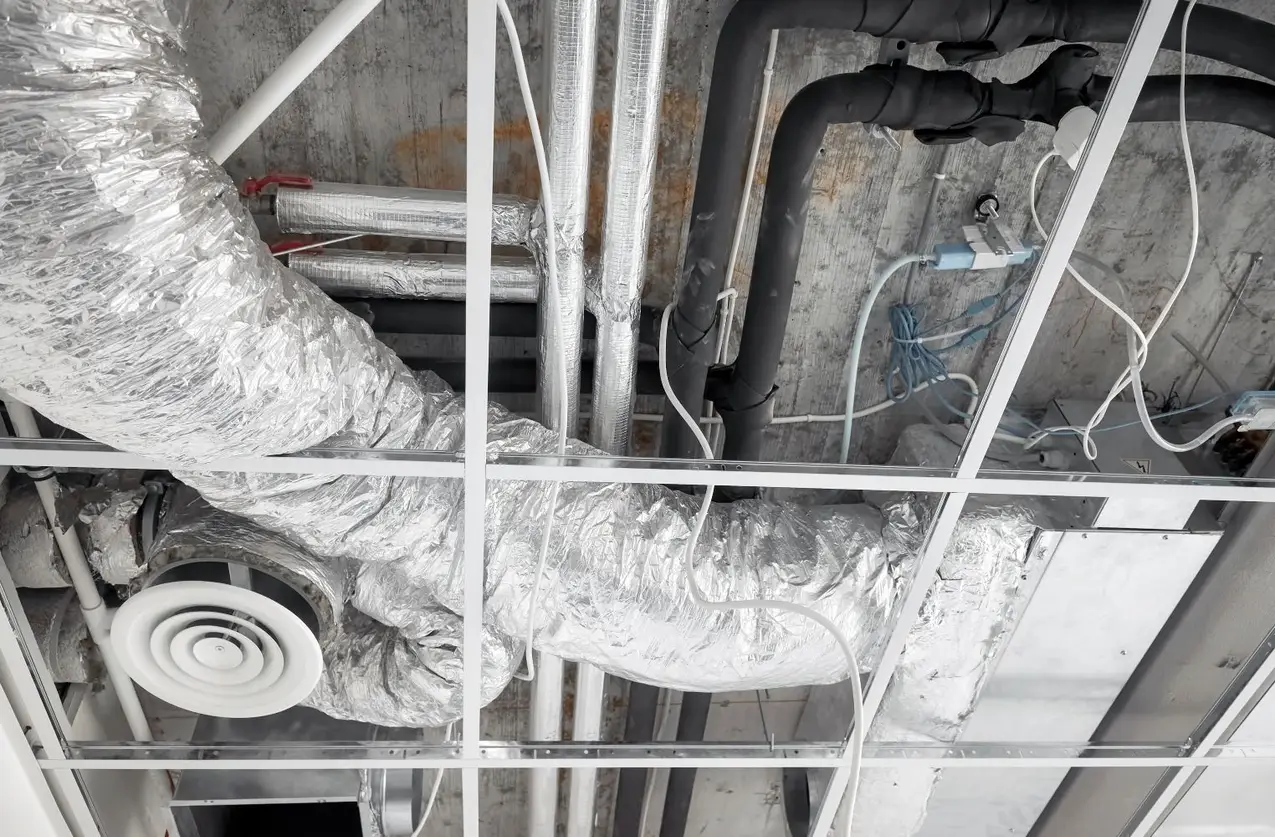


Clogged dryer vents raise fire risk because lint blocks airflow and traps heat inside the dryer and vent line. When hot air cannot escape, the dryer works harder, runs hotter, and gives lint more chance to ignite. A busy laundry room can turn into a trouble spot fast. Regular Dryer Vent Cleaning helps air move the way it should, keeps drying times shorter, and lowers strain on the machine.
Why lint and heat are a bad team
Your dryer has a simple job. It tumbles clothes, adds heat, and pushes moist air outside through the vent. When the vent is clear, this works like a well-thrown football, smooth and straight.
When the vent is blocked, that easy path closes up. Lint sticks to the vent walls. Hot air slows down. Moisture hangs around longer. The dryer keeps running, trying to finish the load. That extra run time builds more heat. More heat plus dry lint is a risky mix.
Lint may look soft and harmless. It is not. It is made of tiny fibers from clothes, towels, and bedding. Those fibers dry out fast and can catch fire more easily than many people think. That is why clogged dryer vents are not just a comfort issue. They are a safety issue. You can read more general fire safety guidance from FEMA’s U.S. Fire Administration.
How a blocked vent raises fire risk
A dryer needs strong airflow to move heat out of the unit and out of your home. Once lint blocks part of the vent, several things happen at once.
First, the heat stays trapped longer. Second, the dryer parts work harder. Third, lint starts collecting in more places, not just the lint screen. You can get buildup in the duct, behind the dryer, and around the vent hood outside.
Think of it like trying to breathe through a straw while jogging. You can do it for a bit, but not well, and not for long.
Here is the chain reaction in plain words:
- Lint builds up in the vent
- Airflow drops
- Heat gets trapped
- Drying time gets longer
- Dryer parts get hotter
- Fire risk goes up
It is a small problem that can grow legs.
Warning signs your dryer vent may be clogged
Your dryer often gives clues before a major problem starts. The trick is noticing them.
Watch for these signs:
- Clothes take more than one cycle to dry
- The dryer feels hot to the touch
- The laundry room gets hotter than usual
- Clothes come out very hot
- You smell something musty or slightly burnt
- The outside vent flap barely opens
- You see lint around the dryer hose or vent opening
- The dryer shuts off mid-cycle
If your dryer starts acting like it just ran a marathon after one load, pay attention. If warning signs keep showing up, Contact Us for help.
Why busy homes face more risk
The more you use your dryer, the faster lint builds up. Families with kids, pets, work uniforms, sports gear, and lots of towels run more loads each week. More loads mean more fibers. More fibers mean more buildup.
That is why many fire-risk cases start in regular homes, not just in giant buildings. A packed laundry routine can wear down airflow fast, especially if no one checks the vent line for months. Routine Dryer Vent Maintenance can help keep that buildup in check.
A short chat you may hear at home goes like this:
“Why are these jeans still damp?”
“I just ran them twice.”
That is not always a weak dryer. It can be a blocked vent waving a red flag.
Why the lint screen is not enough
Many people clean the lint trap and think the job is done. That helps, but it is only part of the story.
The lint screen catches a lot, not all. Small fibers still pass through. Over time, those fibers coat the vent line. Some get stuck at bends. Some cling to rough surfaces. Some collect where the vent exits the house.
So yes, clean the lint screen every load. Still, know that the hidden vent line needs attention too. It is like sweeping the porch while leaves keep piling up in the gutter. Both matter. If buildup has already affected airflow, Dryer Vent Cleaning may be needed.
Vent length, bends, and bad materials make things worse
Not all dryer vents are set up the same way. Some are short and straight. Some twist like a back road after dark. The longer the vent run, the more chances lint has to settle.
Bends are trouble spots. Crushed hoses are trouble spots too. Thin plastic or foil ducts can sag, trap lint, and wear out faster. A solid metal vent line usually supports better airflow and is easier to clean well.
A dryer pushed too close to the wall can also pinch the vent hose. That small squeeze can cause a big backup over time. In some homes, fixes may involve Dryer Vent Repair or Dryer Vent Installation.
What we usually see in Houston, TX
In Houston homes, we often see dryer vents with long runs through attics or side walls, especially in larger single-family houses and townhomes. In areas near Katy Freeway and neighborhoods like The Heights, laundry rooms may sit far from an outside wall, which gives lint more room to build up inside the duct.
Houston weather plays a part too. Heat and humidity make dryers work harder to remove moisture from clothes. If the vent is partly blocked, damp air can hang around longer inside the line. Rain can also affect outside vent hoods if they are damaged or stuck. When the flap does not open right, airflow drops and lint collects faster. Basic climate background can also be found on Houston.
Short safety notes that matter
You do not need panic. You need good habits.
A few smart safety steps:
- Stop using the dryer if you smell burning
- Do not run the dryer when nobody is home
- Do not run it while you sleep
- Clean the lint screen every load
- Keep the area behind the dryer free of dust and lint
These steps are simple, but they go a long way.
What can happen if you ignore the problem
A clogged vent does more than raise fire risk. It can also wear out your dryer faster. Parts like the heating element, thermostat, and motor can face more strain. You may also see higher energy use because each load takes longer.
There is a comfort issue too. Extra heat in the laundry room can make the whole area feel like a sauna in gym socks. No one wants that.
Moisture that cannot leave the vent line may also stay trapped longer. That can lead to stale smells and damp conditions around the laundry area. Regular Dryer Vent Maintenance and timely Dryer Vent Repair can help prevent ongoing trouble.
A quick way to check for trouble
You can do a simple check without taking the whole system apart.
Start with a normal load of wet clothes. Run the dryer for a few minutes, then go outside and check the vent hood. You should feel a strong flow of warm air. The flap should open fully.
If airflow feels weak, or the flap barely moves, there may be a blockage.
You can also look behind the dryer. If the hose is crushed, kinked, or packed with lint around the connection, that needs attention.
If this happens, do this
- If clothes need two or three cycles, then check the lint screen, outside flap, and vent hose for blockage.
- If the dryer feels too hot, then stop the load and inspect for poor airflow.
- If you smell something burnt, then turn off the dryer and do not use it again until it is checked.
- If the outside vent flap stays shut, then look for lint, debris, or damage at the exit.
- If the vent hose is foil or plastic, then think about replacing it with a metal duct.
- If the vent line is long or hard to reach, then get professional cleaning.
Common claims people make, and the facts
Myth, “I clean the lint trap, so my vent is fine.”
Fact, Lint still slips past the screen and builds up in the vent.
Myth, “My dryer is new, so it cannot have a vent problem.”
Fact, A new dryer can still face blockage if the vent line is dirty or poorly set up.
Myth, “Longer drying time is normal for towels and jeans.”
Fact, Heavy fabrics take longer, but sudden changes often point to weak airflow.
Myth, “A little lint in the vent is no big deal.”
Fact, Small buildup grows over time and can trap heat faster than you may expect.
Care plan that keeps things simple
You do not need a giant checklist. Just stick to a steady routine.
Every week
- Clean the lint screen after each load
- Look at the floor around the dryer for lint
- Notice any change in drying time
Every month
- Check the outside vent hood
- Make sure the flap opens and closes
- Look behind the dryer for a crushed hose or loose connection
Every year
- Have the dryer vent cleaned well
- Check the full vent line for heavy buildup
- Inspect the vent material, length, and path
Homes with large families, pets, or daily dryer use may need cleaning more often.
Why professional cleaning matters
A professional cleaning reaches the full vent path, not just the easy spots. That matters because hidden lint is often the real troublemaker. The section inside walls, above ceilings, or through attic spaces can collect thick layers over time.
A trained crew can also spot setup issues. A crushed hose, wrong vent material, loose joint, or blocked outside hood can keep causing the same problem even after you remove lint.
Professional cleaning is not just about getting out debris. It is about getting the whole system back to proper airflow. Lone Star Air Duct Cleaning Services offers Dryer Vent Cleaning and related service options when deeper attention is needed.
Houston weather makes regular service more useful
Houston heat can push laundry rooms to feel warmer fast. Add a clogged vent, and your dryer may struggle even more. Humidity also slows moisture removal from clothes, which can stretch run times if airflow is weak.
Rain and storms can bring dirt and debris to the outside vent area. In some homes, wind-blown material can affect the vent hood and cut airflow. That is why regular checks matter in this area. The weather does not cause lint, but it can make a bad vent setup act worse.
Home types where we often find hidden vent issues
Dryer vent trouble can show up in all kinds of places:
- Single-family homes with long attic vent runs
- Townhomes with tight laundry closets
- Older homes with aging duct materials
- Newer homes where the dryer sits far from an outside wall
- Garage laundry setups with dust and heat around the unit
A vent can look fine from the outside and still be packed inside. That is why a full inspection matters when warning signs keep showing up. If needed, Dryer Vent Repair or Dryer Vent Installation may help support better airflow.
FAQs
How often should a dryer vent be cleaned?
Most homes do well with yearly cleaning. If you run many loads each week, have pets, or notice long drying times, you may need it more often.
Can a clogged dryer vent really start a fire?
Yes. Lint can catch fire when heat builds up and airflow drops. The risk rises when the dryer keeps running hot for long periods.
What is the main sign of a clogged dryer vent?
Long drying times are a common sign. Weak airflow outside, a hot dryer, and lint around the hose are also common clues.
Is cleaning the lint trap enough?
No. The lint trap helps, but some fibers still enter the vent line. That hidden buildup needs cleaning too.
Can I clean the dryer vent myself?
You can do basic checks and remove some lint near easy-to-reach areas. Full cleaning is harder when the vent is long, bent, or hidden in walls or attic spaces.
Does Houston humidity affect dryer vent problems?
Yes. Humid air makes it harder for clothes to dry fast. If the vent is blocked, that damp air stays in the system longer and makes the dryer work harder.
What type of vent material is best?
A solid metal duct is often the better choice. It supports airflow better and traps less lint than thin plastic or foil styles.
Should I stop using my dryer if I smell burning?
Yes. Turn it off and have it checked before using it again. A burning smell can point to trapped lint or overheating parts.
If your dryer is running hot, taking too long, or showing signs of weak airflow, Lone Star Air Duct Cleaning Services can help clean the vent line and support safer, smoother dryer use in Houston, TX. A clean vent can lower fire risk, help clothes dry better, and reduce strain on your machine. Call (832) 430-1849 or visit https://lonestarairductcleaningservices.com/ to book service. You can also Contact Us online.