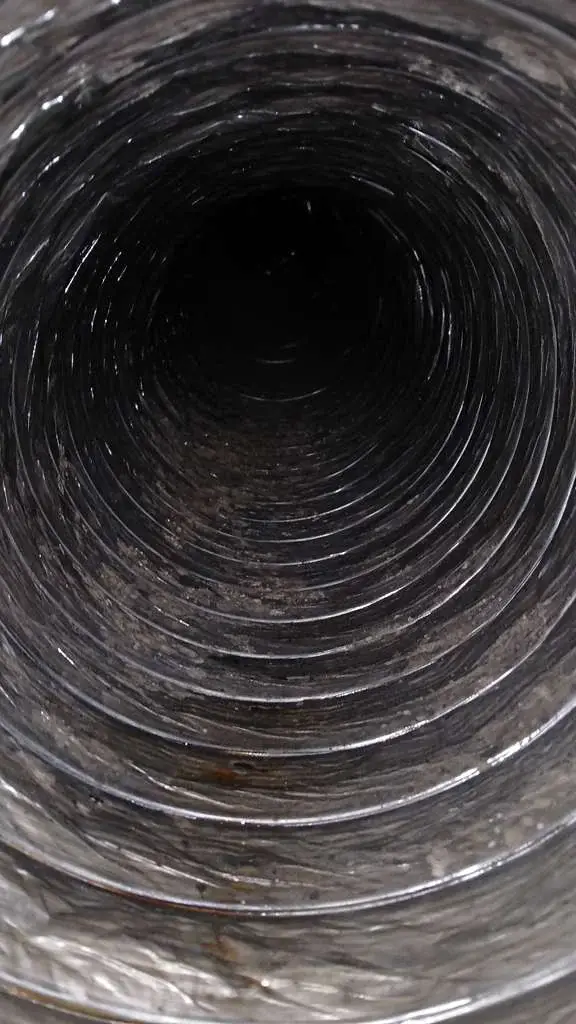

A musty smell from vents when the AC turns on is a reason to look for moisture along the path where air moves. The source may be the drain area, coil, filter space, ducts, duct insulation, or air pulled in through a leak. Skip sprays and ask for an inspection that finds the source before choosing cleaning or treatment.
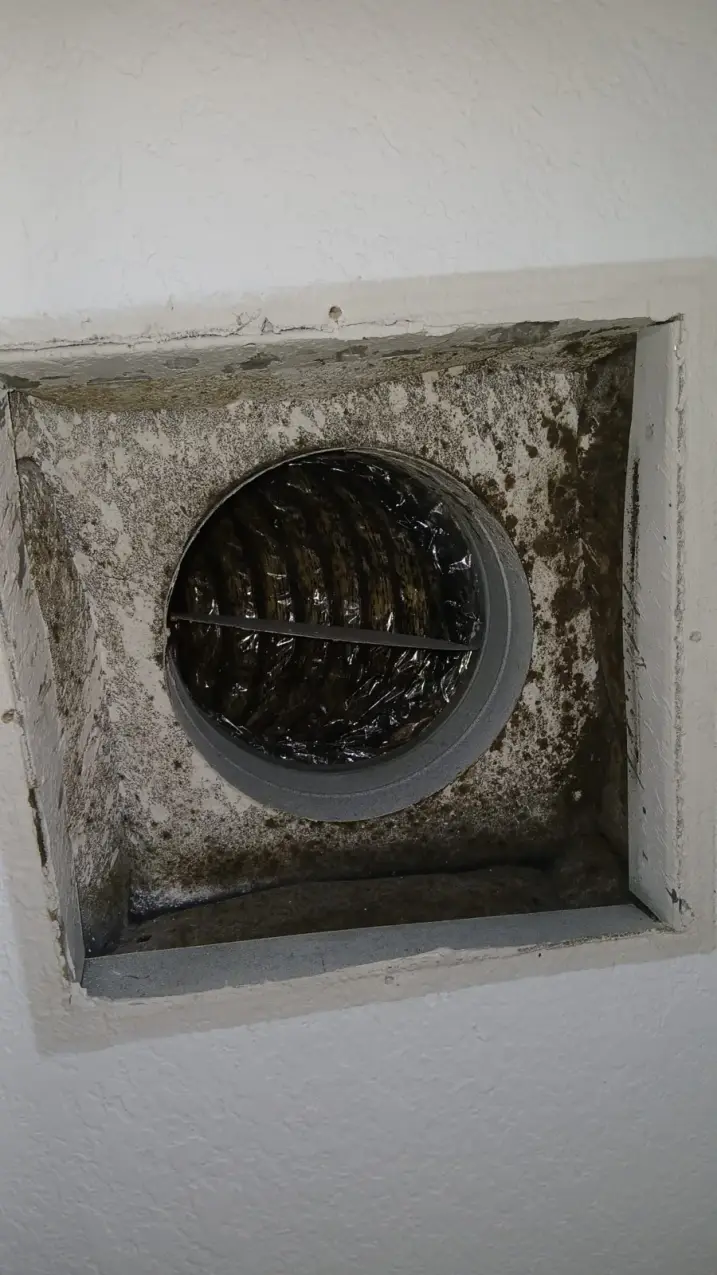
Why the smell starts when cooling begins
Your AC moves air across cold indoor parts, then sends that air through supply ducts. If a damp area, dust buildup, or stale air sits somewhere in that route while the system is off, you may notice its smell most when the blower first starts. The smell alone cannot identify the source or prove that visible growth is mold.
Moisture is the main condition that allows indoor mold growth, according to CDC NIOSH guidance on mold testing and cleanup. That makes moisture control the first question. Covering the odor without finding moisture can leave the cause in place.
In Houston, frequent cooling and humid weather make a few questions practical. Is the condensate drain carrying water away? Is an attic duct damaged or poorly connected? Is humid attic or crawlspace air getting into a return duct? A site visit can sort out which of these questions fits your system.
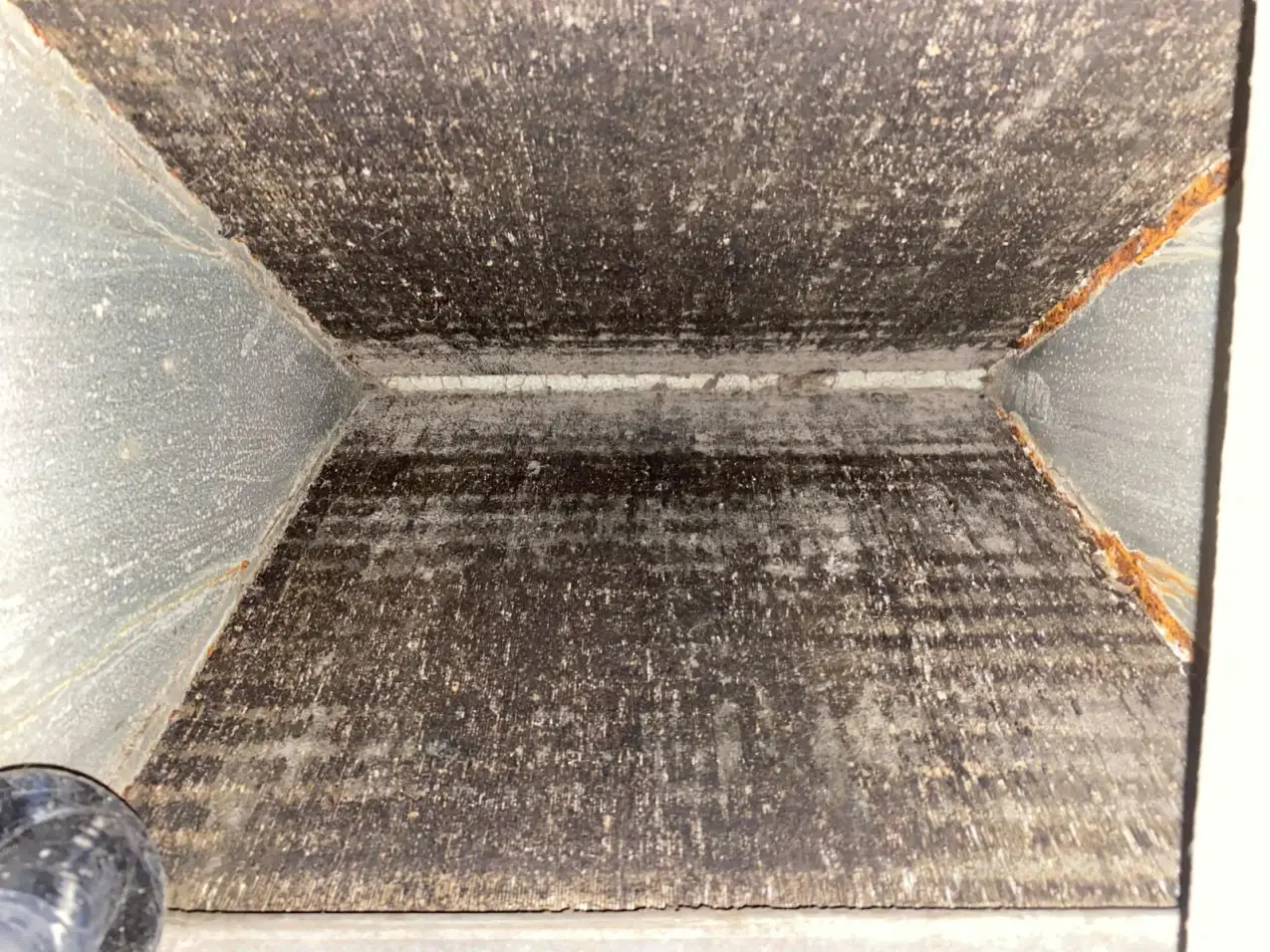
Check what you can safely see before booking service
You don’t need to take apart equipment or reach into ducts. A short set of notes can help a technician narrow the search and can keep you from paying for the wrong service.
- Notice whether the odor happens only at startup, all through the cooling cycle, or when the fan runs by itself.
- Write down which rooms have the odor and whether it comes from supply vents, return grilles, or both.
- Look at accessible ceiling grilles and the area around the indoor unit for water stains, wet insulation, loose duct connections, or obvious dirt. Don’t disturb suspected growth.
- Check whether the filter is seated correctly and note when it was last changed. A filter that is bent, wet, or badly loaded needs attention.
- Look for water around the indoor unit if that area is easy to view. Keep hands away from electrical parts and moving equipment.
- Note related changes such as weak airflow, a room that stays humid, a drain overflow, or a sudden rise in dust.
Turn the system off and seek prompt HVAC help if you see active water leaking near electrical equipment. If there is fire, smoke, or a trapped person, call 911 first.
Ask for an air-path inspection before picking a fix
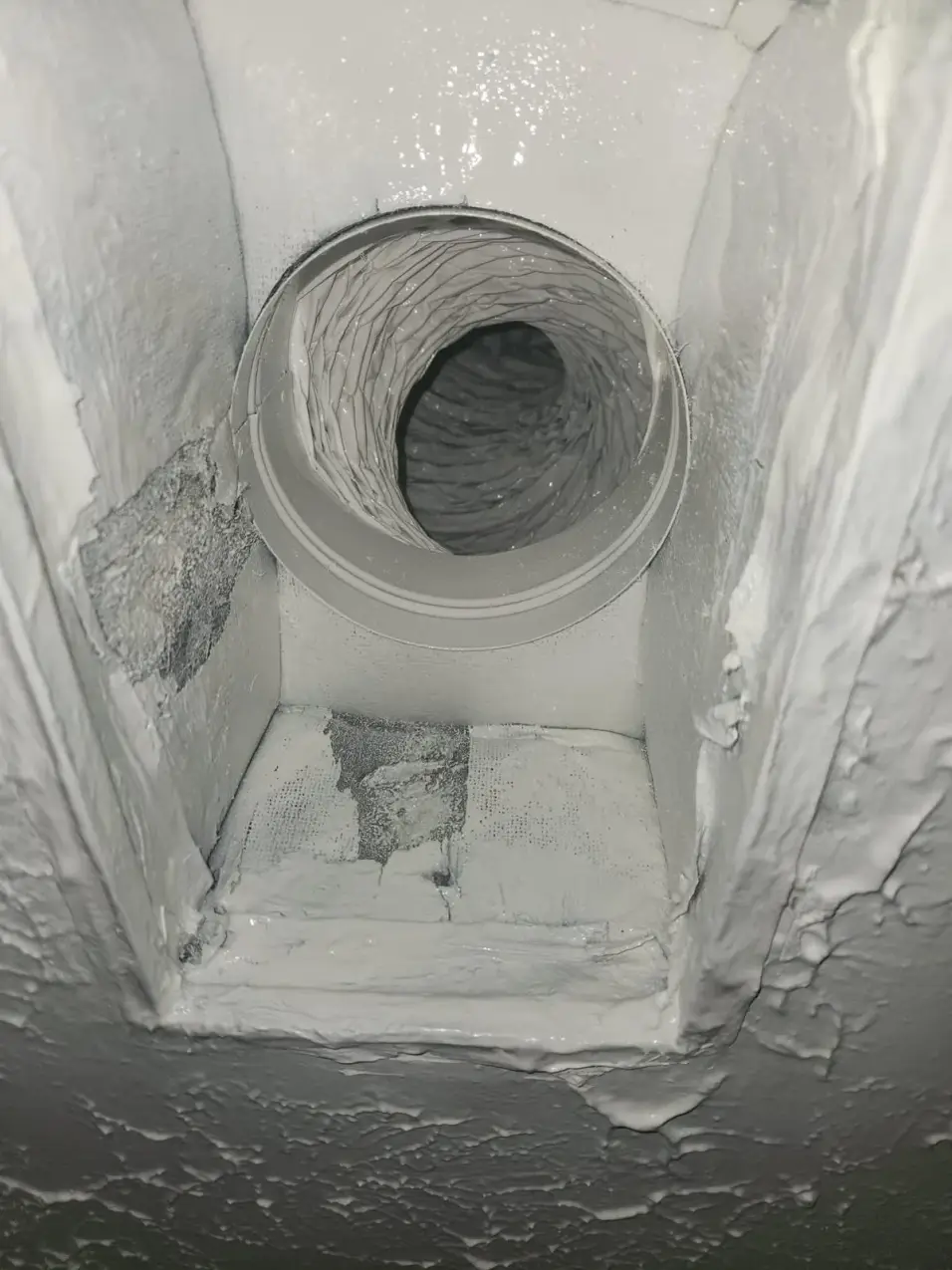
A useful visit traces the odor from the room back toward the equipment. Ask the technician to inspect supply and return ducts, the air handler, the evaporator coil, drain pan, condensate drain, filter area, and accessible duct insulation. They should also look for gaps, crushed runs, disconnected ducts, and paths where unconditioned air can enter.
Musty odors and a visual inspection are more useful than routine air sampling when evaluating a building for mold concerns, according to CDC NIOSH. The agency also notes that there are no health-based standards for mold levels in indoor air. A test result by itself does not replace finding and correcting water or dampness.
Ask these questions during the visit.
- Where is the moisture or odor most likely coming from?
- What was observed directly, and what still needs checking?
- Is the drain pan or drain line holding water or draining poorly?
- Are any ducts, joints, or insulation wet, damaged, or leaking?
- Would cleaning address the material found, or does a damaged part need repair or replacement?
- What maintenance can help stop the same condition from coming back?
Clear answers matter because several problems can smell alike. A dirty duct may call for cleaning. A duct leak may call for repair and airflow checks. Wet duct insulation needs a different response than dust on a metal duct surface.
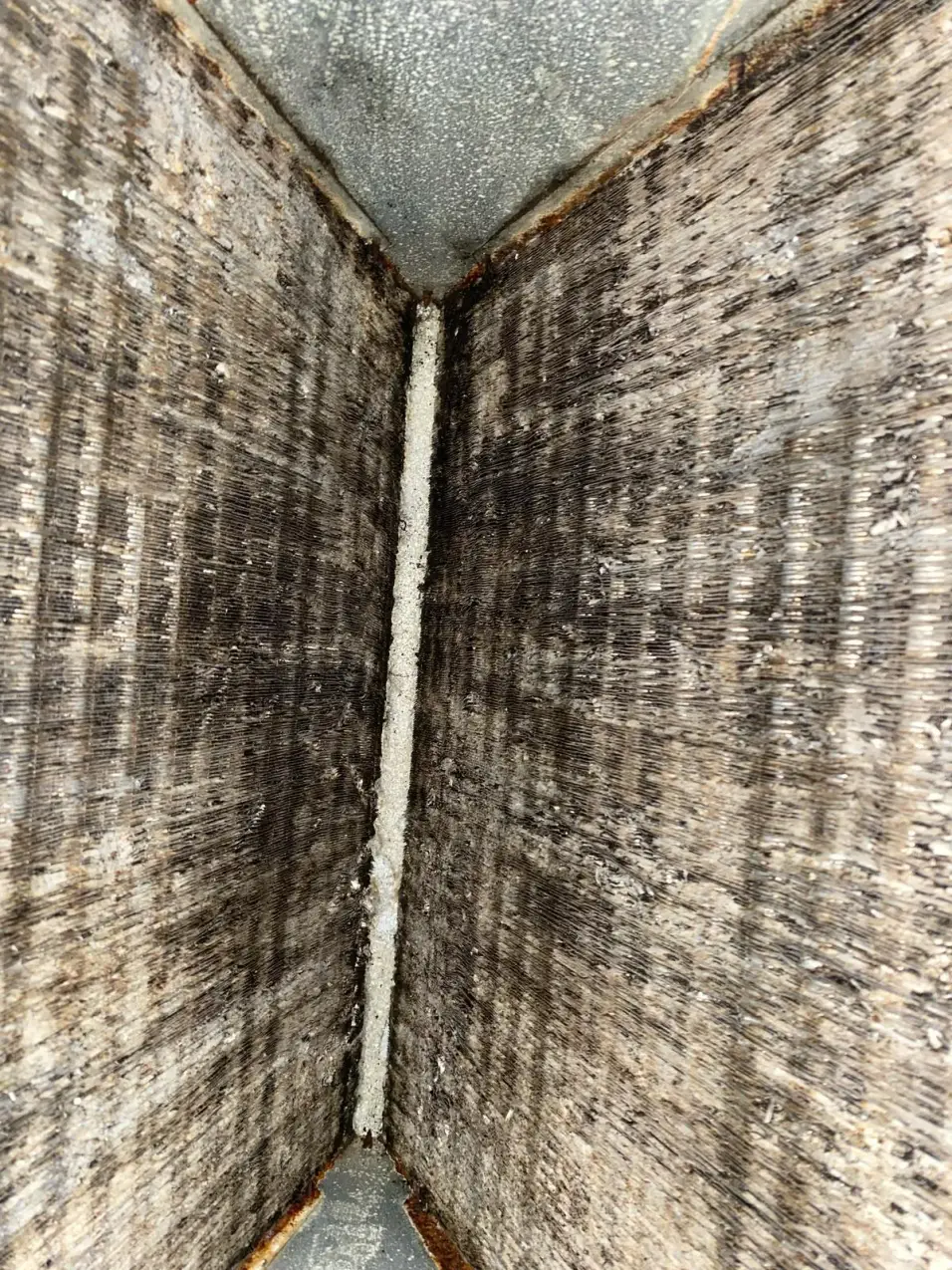
When air duct cleaning may be the right next step
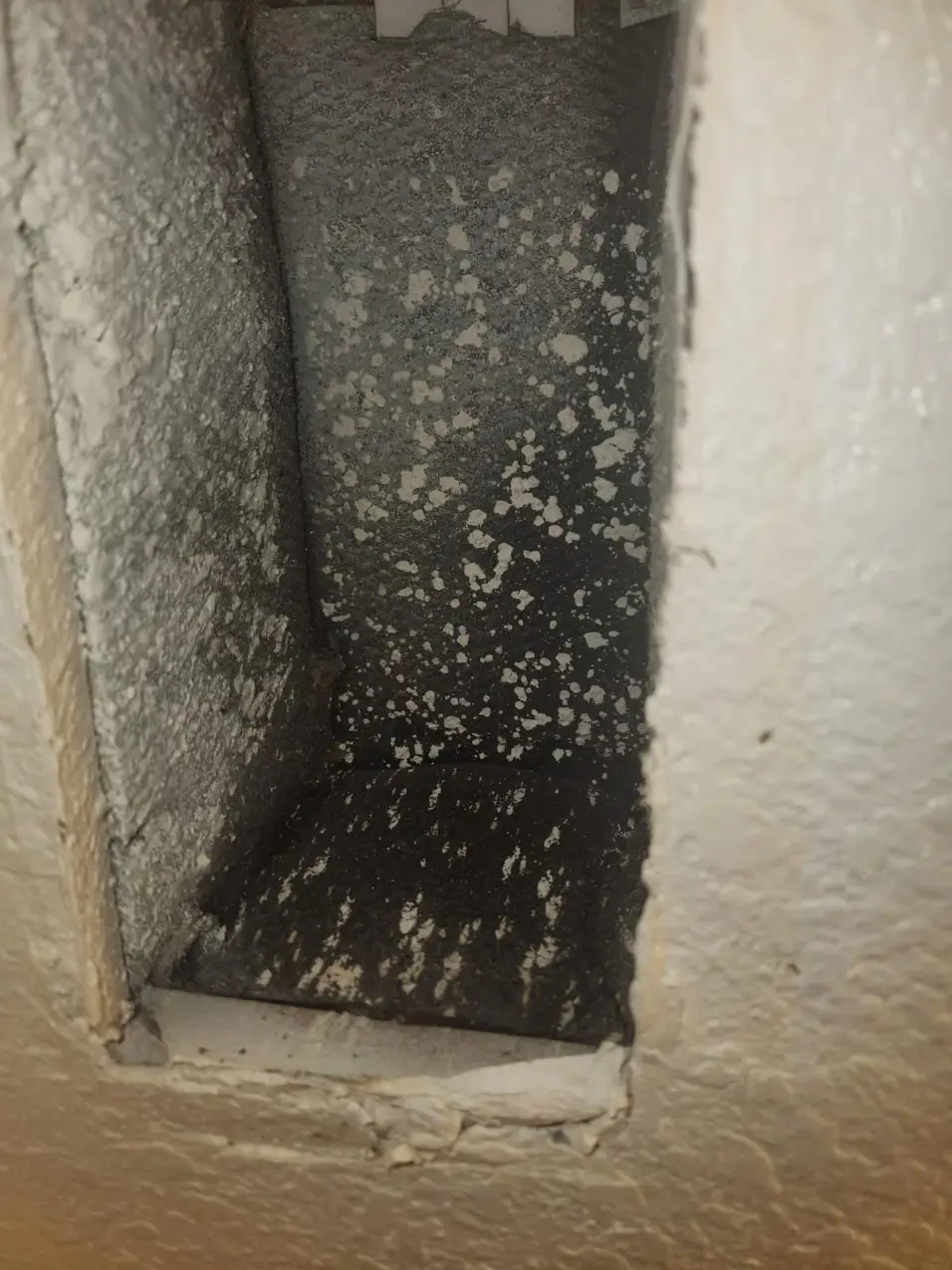
Cleaning can be worth discussing after an inspection finds buildup or contamination in accessible ductwork or HVAC parts. The U.S. Environmental Protection Agency says duct cleaning should be considered when there is substantial visible mold growth inside hard-surface ducts or other HVAC components. The condition that caused the growth still needs correction, or it can return.
The EPA makes an important distinction for insulated ducts. Wet or moldy duct insulation cannot be effectively cleaned and should be removed and replaced. Don’t assume cleaning alone can fix every damp duct concern.
If the inspection points to dirty duct interiors, Air Duct Cleaning is a sensible service to ask about. Request a clear description of the areas being cleaned and any separate repair work that may be needed. Cleaning is not a promise that every odor, allergy concern, or indoor air issue will disappear.
Match maintenance and repair to the source
Cooling equipment creates condensation as it removes moisture from indoor air. That water needs a clean path out through the pan and drain. A blocked or poorly draining path can leave dampness near the air handler. Dust on a coil or blower can also affect how the system moves air. These are equipment and drainage questions, not automatic duct-cleaning questions.
Ducts need attention when air is escaping, entering from an unwanted space, or failing to reach rooms as intended. A loose return connection may draw in attic or other unconditioned air. Damaged insulation can also allow surfaces to get damp. Repair or replacement may make more sense than cleaning when material is torn, wet, or no longer doing its job.
Lone Star Air Duct Cleaning Services offers air duct maintenance in Houston that can include visual or camera inspection, cleaning steps, coil and blower review, filter replacement, airflow checks, and minor leak sealing where appropriate. Ask what the inspection finds and which step addresses that finding. A maintenance visit can identify a next repair, but it should not guess at a cause that has not been seen.
Consider a UV air purifier only after moisture is addressed
A UV air purifier is often discussed when people are concerned about germs or odors inside the system. UVGI is short for ultraviolet germicidal irradiation. It uses UV light on certain HVAC surfaces. The EPA notes that properly designed UVGI may affect biological pollutants on moist surfaces such as coils, drain pans, and ductwork.
That same EPA guidance says typical home UVGI units have limited effectiveness against bacteria and molds. So a UV unit should not stand in for fixing a wet drain area, a duct leak, or damp insulation. Ask where the unit would be installed, what surface it is intended to treat, and what service it will not replace. Lone Star Air Duct Cleaning Services also installs UV Air Purifier systems for homeowners who want to discuss that option after the source has been checked.
Use this order to avoid a short-lived fix
- Track when and where the odor appears for a few cooling cycles.
- Check accessible areas for water, a wet filter, stains, or damaged duct material.
- Schedule an inspection of the full air path and condensate drainage.
- Correct leaks, drainage trouble, wet insulation, or damaged parts found during that visit.
- Choose cleaning when the inspection supports it.
- Discuss UV treatment only as a supporting option for an appropriate system location.
- Keep up with filters and planned maintenance so new dampness or airflow changes are found early.
This order focuses the work on the source. It also gives you a better basis for comparing a cleaning quote with a repair or maintenance recommendation.
Questions homeowners often ask
Can a dirty air filter cause a musty odor?
A dirty filter can hold dust and may affect airflow, but it does not confirm the odor source. A wet filter, poor filter fit, or moisture near the filter area is more useful information for the inspection. Bring the filter size and replacement date to the appointment if you have them.
Why does only one room smell musty when the AC runs?
A room-specific odor can point to a branch duct, register boot, nearby building material, or air moving into that room from another space. Keep the room door position and fan setting consistent while you note when the smell appears. That pattern can help identify whether the issue follows the HVAC cycle.
Should I close vents in rooms that smell?
Closing supply vents can change how air moves through the system and may not stop air from entering through a return-side leak. Leave normal vents open unless an HVAC professional gives a different instruction. Focus on locating the damp or stale-air path instead.
When should I call a doctor about symptoms I notice at home?
Odors cannot diagnose a health condition. If you or someone in your home has symptoms that concern you, contact a qualified health professional. Separately, arrange for the moisture and HVAC concern to be checked so the home condition can be addressed.
If your Houston home has a musty smell when the AC starts, contact Lone Star Air Duct Cleaning Services for air duct cleaning, maintenance, repair, or indoor air quality service at (832) 430-1849 and ask to start with an inspection of the odor source.