
If your house gets dusty right after cleaning, your ducts may play a part, but they aren’t always the cause. Start with the air filter, return grilles, and any recent remodeling. Then look for dust blowing from supply vents, loose duct connections, musty smells, or uneven rooms. Those clues help you choose cleaning, testing, or repair.

Start with the dust you can check yourself
Dust comes into a home in many ways. It can enter through doors, settle from clothing and fabrics, come from pets, or remain after a project. A dusty house air ducts concern is worth checking when dust seems to return soon after the AC runs.
Before you assume the duct system needs cleaning, walk through these simple checks.
- Check the filter. Make sure it is the right size and sits flat in its slot. A bent filter, a gap around the edge, or a filter that has not been changed can let dusty air move around it.
- Look at return grilles. Return grilles pull room air back to the system. Wipe them and look for heavy buildup. Keep furniture, rugs, and boxes from blocking them.
- Think about recent dust sources. Drywall work, sanding, flooring work, moving boxes from storage, and open windows can leave fine dust in rooms for a while.
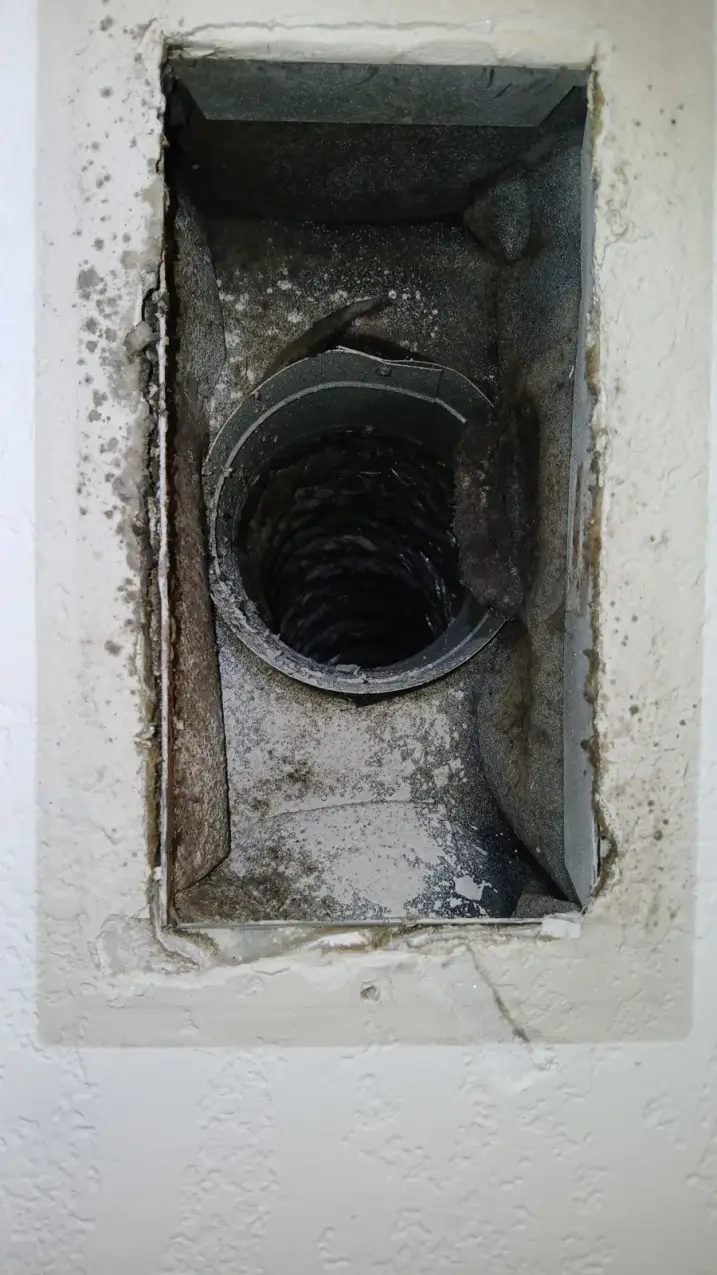
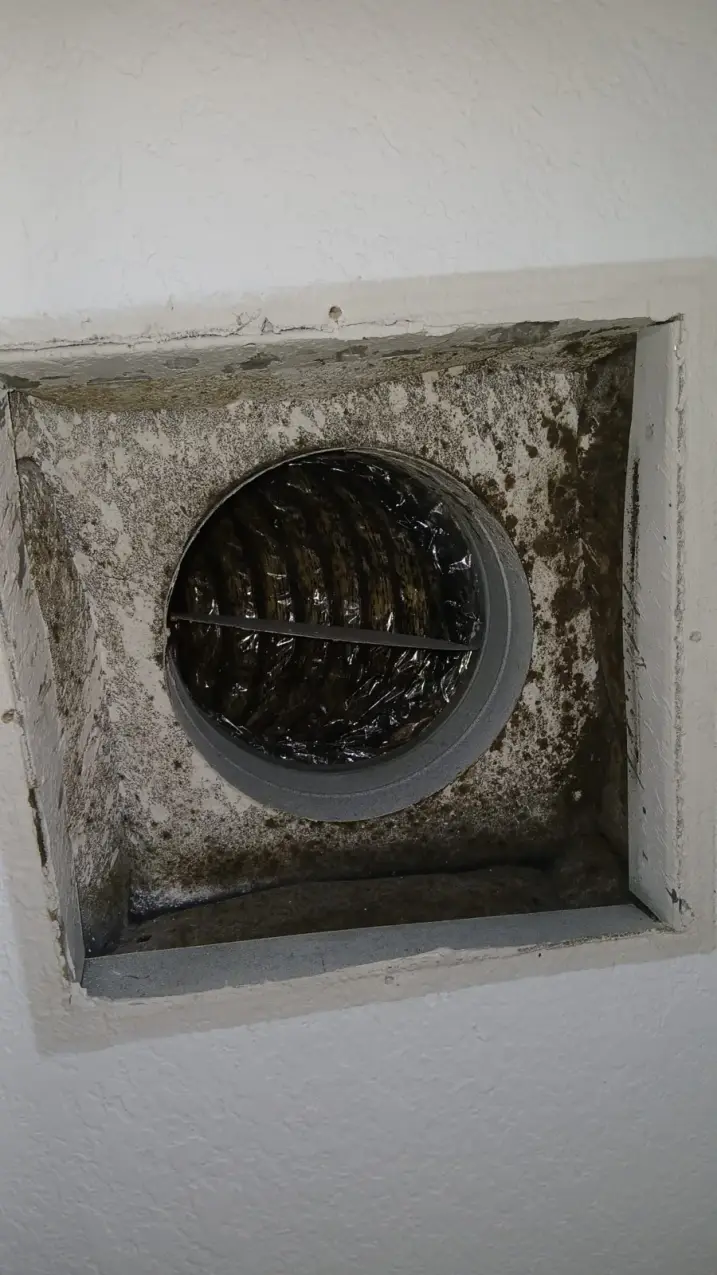
- Check supply registers. Remove the register cover only if you can do so safely. A small amount of settled dust can be normal. Note whether you see a heavy layer of loose debris or dust that appears to blow out when the system starts.
- Notice where dust collects. Dust on surfaces throughout the house points to a broad air or housekeeping issue. Dust that is much worse near certain vents or rooms is a useful detail to report during an inspection.
Do not put tools, brushes, or household vacuum hoses far into a duct opening. Ducts can be damaged, and loose material may be pushed deeper into the system.

When dirty ducts are a reasonable concern
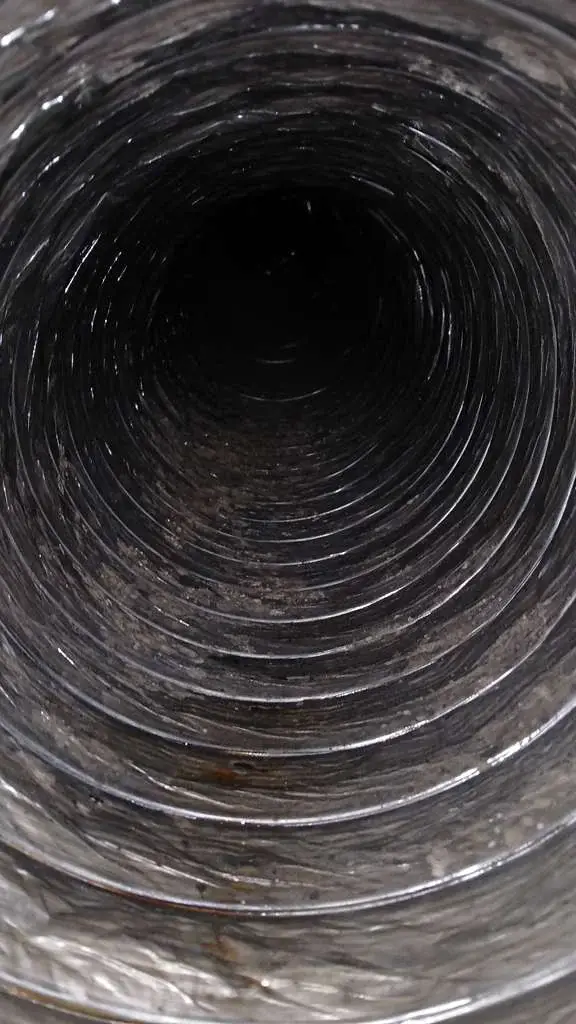
The U.S. Environmental Protection Agency says routine duct cleaning is not generally recommended. Dirty ducts are only one possible source of particles indoors. Cleaning is more reasonable to discuss when there is substantial visible mold, vermin such as rodents or insects, excessive debris, or particles being released from supply registers.
Visible clues matter more than guessing from a dusty tabletop. Use this short decision check.
Signs to document before you call
- Dust or debris visibly coming from a supply register when the AC starts
- Heavy debris visible just inside multiple vents
- Evidence of insects or rodents near duct openings
- A damp or musty odor that seems tied to the system running
- Water damage or a moisture problem near equipment or ducts
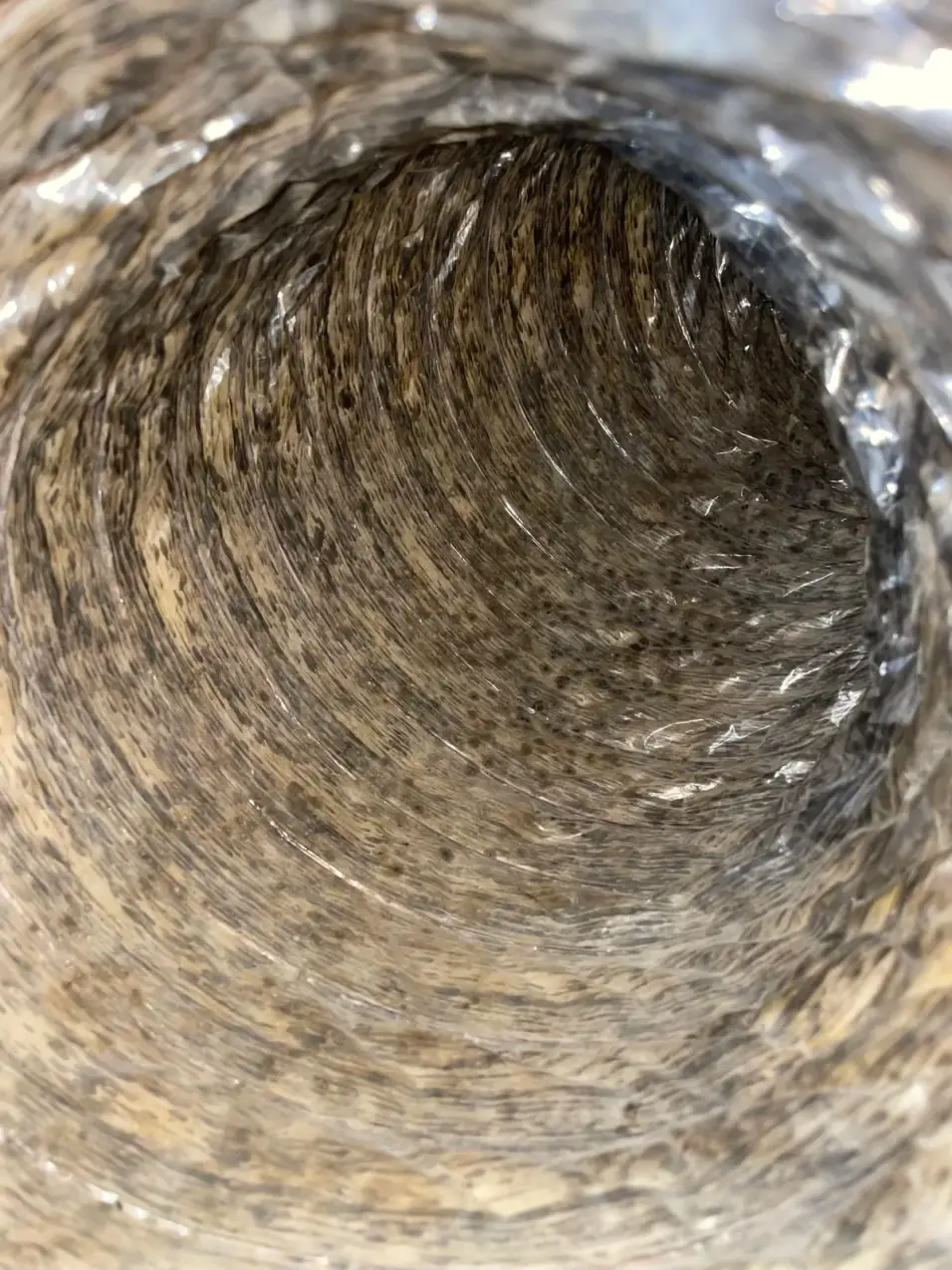
Musty odors and visible growth need care. Moisture has to be found and corrected, or a problem can return after surface cleaning. If you see material that may be mold, avoid disturbing it. A qualified professional can help determine the next step for your situation.
When the signs point to excessive debris, a Houston homeowner can discuss air duct cleaning with Lone Star Air Duct Cleaning Services. Ask what areas will be inspected and cleaned, and share the rooms or vents where you noticed the problem.
Ask whether duct leaks are pulling dusty air from the attic
Many Houston duct runs are hidden in attics. If a return duct has a gap or poor connection, it may pull air from that space rather than only from your rooms. That air can carry insulation fibers, dust, and other particles. Supply-side leaks can lose cooled air before it reaches the room.
ENERGY STAR reports that typical homes lose about 20% to 30% of duct air through leaks, holes, and poor connections. That figure does not show how much leakage any one home has. It does show why checking hidden ducts can be useful when dust comes with comfort or airflow problems.

Pair fast dust return with these warning signs
| What you notice | What to ask about |
|---|---|
| One room stays warmer or cooler than the rest | Whether the duct run is disconnected, crushed, poorly connected, or leaking |
| Dust returns most near a certain room or vent | Whether that branch duct or register area needs inspection |
| Cooling bills seem high | Whether duct leakage or lost conditioned air could be part of the issue |
| Flexible duct in the attic looks bent or pinched | Whether airflow is being restricted and the duct needs correction |
| You notice attic-like air when the system runs | Whether return-side ducts are drawing air from an unconditioned space |
The Building America Solution Center notes that leaky ducts can lead to energy loss, comfort trouble, moisture issues, and indoor air quality concerns, especially when ducts run through unconditioned attics or crawlspaces. Testing can help separate a leakage concern from a cleaning concern.

Choose cleaning, testing, or repair based on what you find
These services solve different problems. Picking the right first step can prevent you from treating only the symptom.
Consider cleaning when debris is the main clue
Cleaning is the question to raise when vents release visible particles, duct openings contain excessive debris, or pests have affected the duct system. It may also be part of the plan after a dusty renovation, once the source of dust has stopped. Cleaning does not seal gaps, fix a loose connection, or correct a crushed duct.
Consider testing when the cause is unclear
Testing fits when there are no clear debris signs but you have persistent dust along with uneven temperatures, weak airflow, or concern about attic ductwork. Air duct testing can help identify system issues that are not visible from a register. Share the filter size, the rooms affected, and any changes after the system turns on.
Consider repair when a defect is found
Repair becomes the practical next step if an inspection finds a disconnected run, damaged duct, loose joint, or other issue that allows air to escape or enter where it should not. Repair addresses the pathway that may be bringing dusty air into the system. Cleaning may still be worth discussing afterward if debris remains, though the need depends on what is found.
Prepare for a useful duct visit
A few notes and photos can make a service conversation more focused. You do not need to take apart the system.
- Write down when you first noticed the dust and whether it follows remodeling, a move, a new pet, or a filter change.
- Take photos of dust near vents, visible attic duct damage from a safe distance, and the filter label.
- List rooms that feel stuffy, dusty, warm, or cool compared with the rest of the home.
- Clear access around indoor equipment, return grilles, and the attic entry if it is safe to do so.
- Tell the technician about odors, past water leaks, pest activity, or damaged registers.
Do not cover return grilles to try to stop dust. Restricting return airflow can create other system problems. Keep using a properly fitted filter and follow the equipment maker’s filter guidance while you arrange service.
FAQs about fast-returning house dust
Can a higher-rated filter stop dust from coming back?
A filter with a higher rating may catch smaller particles, but it must fit the system and allow enough airflow. A filter that is too restrictive for the equipment may cause airflow trouble. Check the equipment manual or ask an HVAC professional before changing filter types. A good filter also cannot fix dust entering through a duct leak.
Why is there more dust when I first turn on the AC?
Dust may have settled on register covers or nearby surfaces while the system was off. Air movement can make it more noticeable. If you see actual particles blowing from several supply vents, take a photo or video if possible. That is stronger evidence to share than dust sitting on the grille.
Should I close vents in rooms I do not use?
Closing supply vents can change airflow and pressure in the system. It may leave some rooms less comfortable and does not identify the source of dust. If certain rooms are rarely used, ask a service professional whether the system has a safe way to manage airflow there.
For dust that keeps returning in your Houston home, call Lone Star Air Duct Cleaning Services at (832) 430-1849. Tell the team what you found, and ask whether air duct cleaning, testing, or duct repair is the right next step.