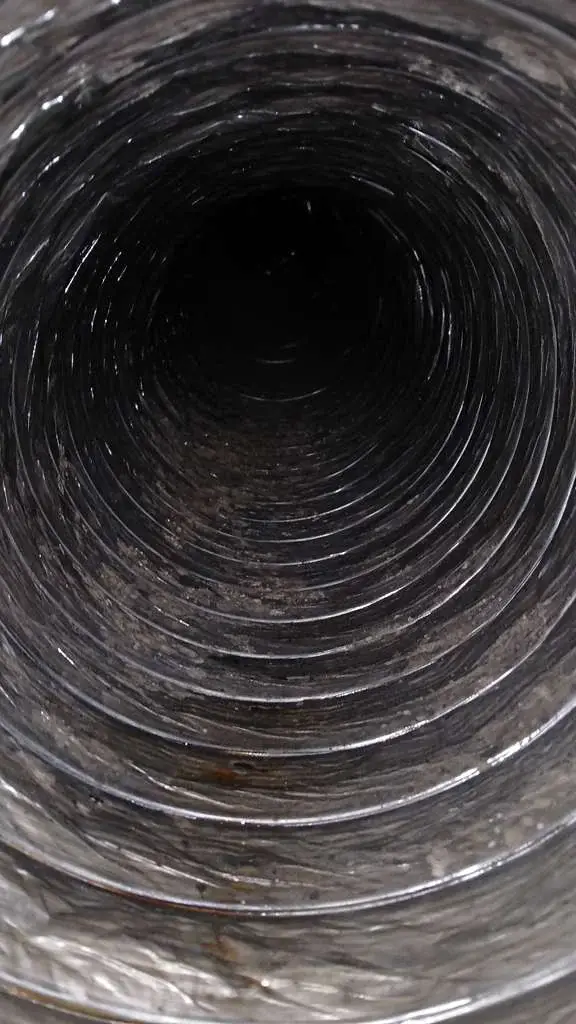
For air duct cleaning vs UV air purifier, start with the problem you can see or smell. Cleaning removes dust and debris from HVAC parts. A UV unit shines light on exposed system surfaces. If you have moisture, visible growth, or airflow trouble, find and fix that cause first. Some homes may need cleaning before a UV unit makes sense.
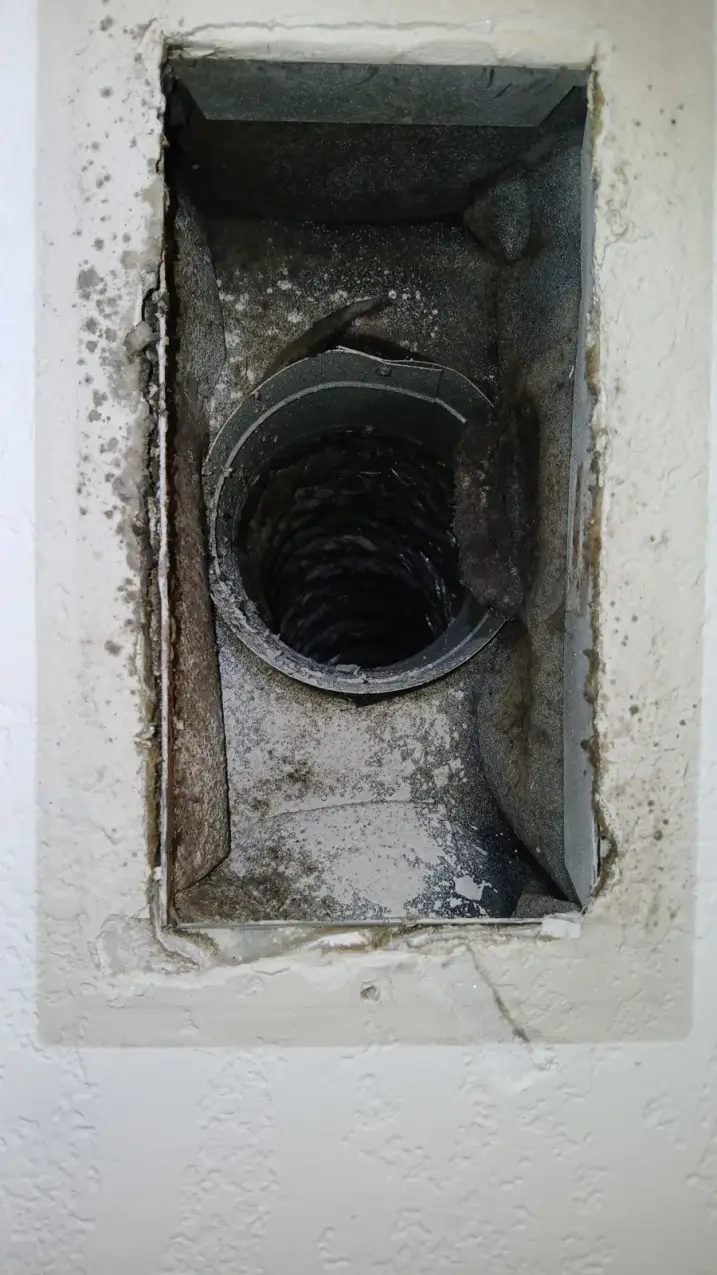
Choose duct cleaning when buildup is the concern
Air duct cleaning is a physical removal service. It is meant to remove built-up material from the ducts and other parts included in the work scope. It does not add a device to your heating and cooling system.
The U.S. Environmental Protection Agency says duct cleaning is most relevant when there is substantial mold growth in hard-surface ducts or other HVAC parts, vermin in ducts, or heavy dust and debris coming out of supply registers.
Those signs point to a removal problem. A light cannot pull lint, loose dust, construction debris, or pest material out of a duct. Cleaning may be the better first conversation when you notice any of these conditions.
- Dust or bits of material blow from supply vents
- You can see heavy buildup near return grilles or inside reachable duct openings
- There are signs of rodents or insects in the duct system
- There is confirmed growth on a system surface and the moisture cause is being addressed
- Recent work left dust near open returns or vents
Ask what parts will be inspected and cleaned. The blower area, coil area, drain pan, returns, supply ducts, and registers are separate parts of a system. The EPA notes that a dirty part left behind can contaminate other cleaned parts again. A clear work scope helps you compare what is actually being proposed.
Duct cleaning is not a proven way to prevent health problems. It also cannot repair crushed ducts, air leaks, a wet drain pan, or a filter that does not fit. Those issues need their own fix.
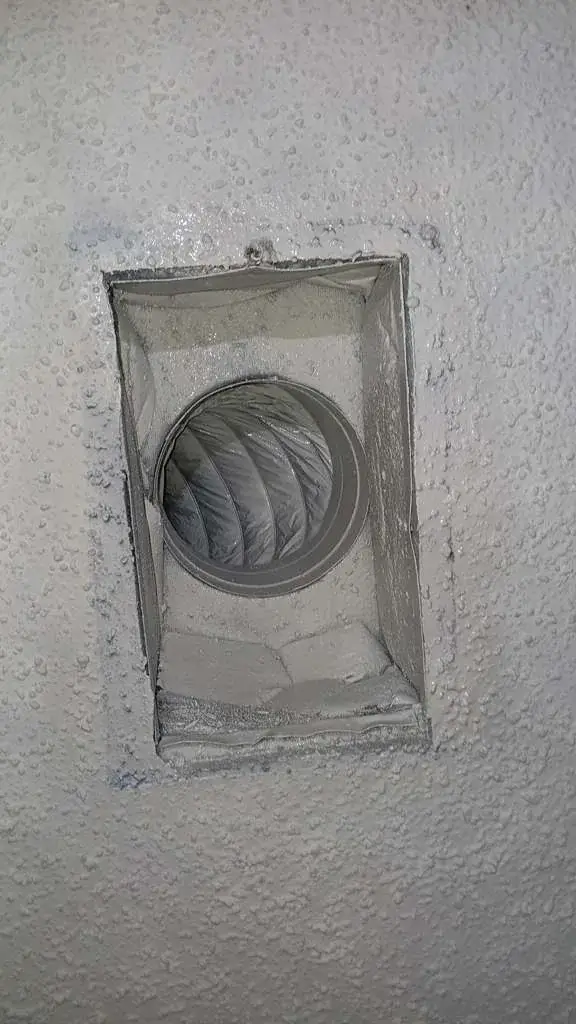
Choose a UV air purifier when exposed HVAC surfaces need added support
A UV air purifier installed in an HVAC system uses ultraviolet light. You may also hear it called UVGI, which means ultraviolet germicidal irradiation. The light is placed where it can shine on a target surface inside the equipment.
The EPA says properly designed UVGI may affect viruses, bacteria, and some molds on moist HVAC surfaces such as coils, drain pans, and ductwork. The same EPA page says typical home units have limited effectiveness against bacteria and molds, and spores often need more UV exposure.
That makes placement important. A UV lamp cannot reach around a corner, through a layer of dust, or into every foot of ductwork. It does not capture particles moving through the air. It also does not remove old buildup that is already on a coil or in a drain pan.
Consider an inspection and a discussion about UV Air Purifier installation when there is a moisture-related concern around accessible indoor equipment, especially when the system will run often. In Houston, air conditioning may run for long periods, so the indoor coil, drain pan, return area, and visible vent dust are useful places to check.
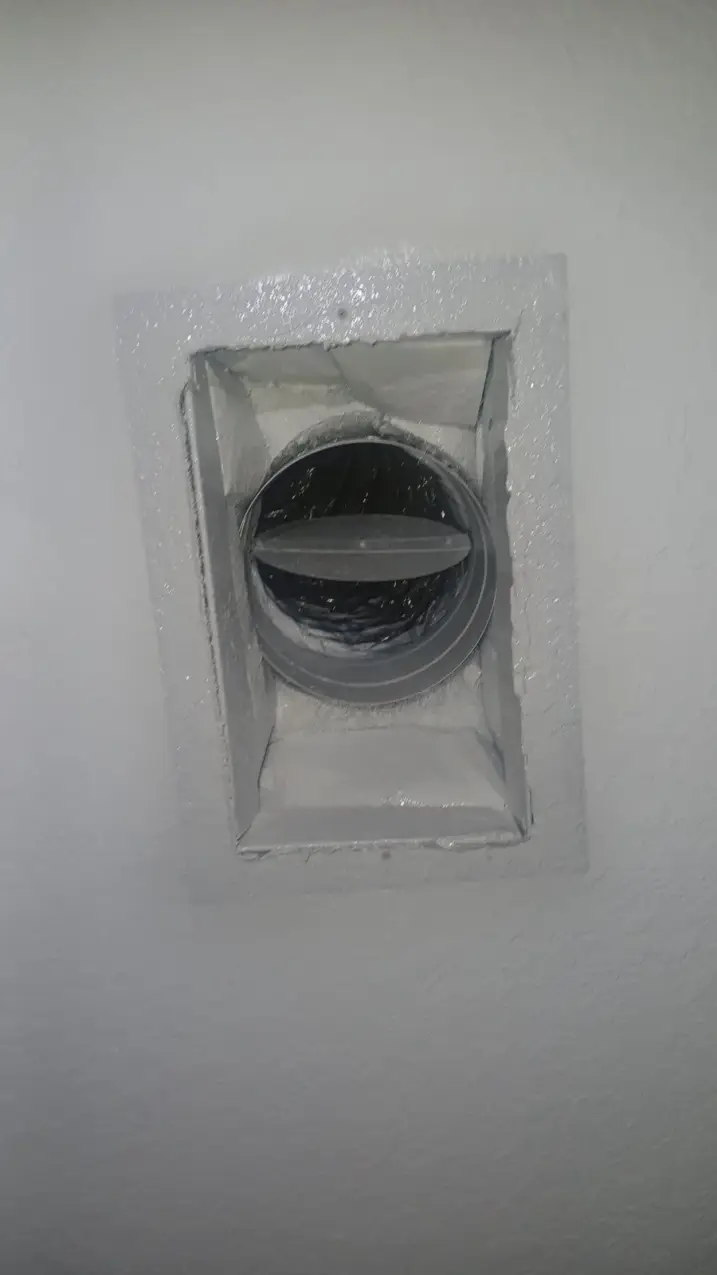
What a UV unit cannot do
- It cannot replace a correctly fitted filter
- It cannot dry out a leak or correct a drainage problem
- It cannot remove dust, lint, or pests from ducts
- It cannot promise relief from allergies, asthma, or illness
- It cannot make dead mold spores harmless to everyone
The EPA notes that dead mold spores may still cause allergic reactions. If visible growth is present, ask about the moisture source and the cleanup plan instead of treating a UV lamp as the only answer.
Match the complaint to the next check
A complaint can have more than one cause. Use the table to turn a broad indoor air concern into a focused service question.
| What you notice | Useful first check | Possible next step |
|---|---|---|
| Dust blowing from vents | Look for heavy debris at registers and ask about duct condition | Discuss cleaning if buildup is confirmed |
| Musty smell near indoor equipment | Check the coil area, drain pan, drain line, and nearby moisture | Correct the water issue and discuss cleaning or UV placement if warranted |
| Weak airflow in part of the home | Check filter fit, blocked registers, duct damage, and duct leaks | Discuss repair, balancing, or leakage testing rather than a UV unit |
| Dust returns soon after cleaning | Look at filter fit, return leaks, room dust sources, and cleaning scope | Address the source before adding equipment |
| Concern about germs or odors in the system | Ask where a UV lamp would be placed and what surface it can reach | Compare a system-mounted UV option after the system condition is checked |
Odors need careful checking. A smell may come from standing water, a dirty component, a pest issue, household products, or a problem outside the ducts. Cleaning may remove material that holds an odor. A UV unit may be considered for suitable exposed surfaces. Neither choice identifies the source by itself.
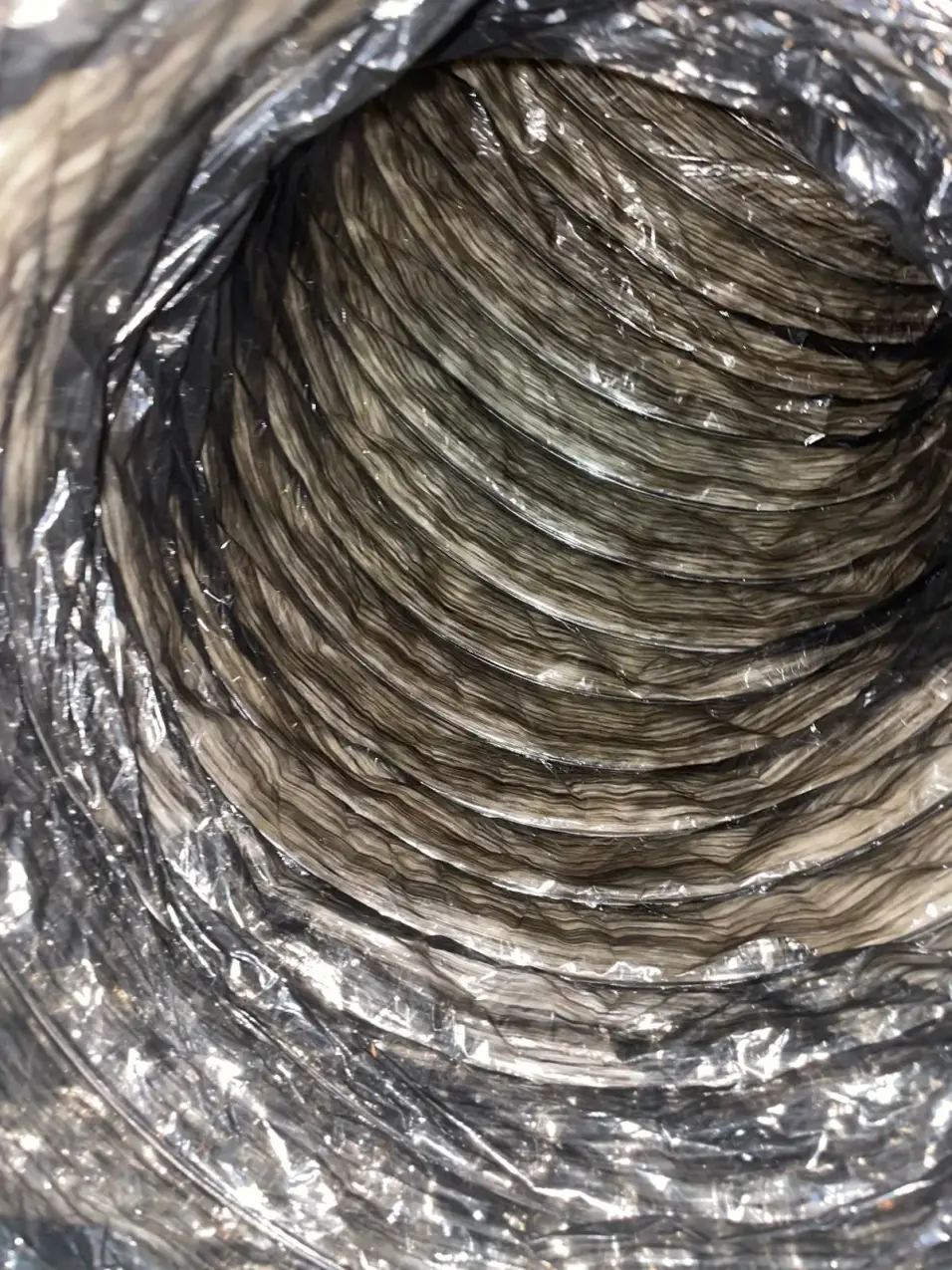
When both services may belong in the same plan
Cleaning and UV installation are different tools, so they can be used in sequence. The order matters. Putting a lamp into a dirty or wet system does not remove the dirt or stop the water.
- Inspect the indoor equipment, accessible ducts, registers, filter, and drainage path.
- Find moisture, drainage, duct damage, or air leaks that need repair.
- Clean contaminated components that are part of the approved work scope.
- Decide whether a UV lamp has a reachable surface and a clear purpose after cleaning.
- Keep up with filter changes and other regular system care.
This order avoids paying for an add-on before the basic problem is understood. It also gives you a better question to ask. Instead of asking which product is best, ask what condition was found, where it is located, and what step addresses it.
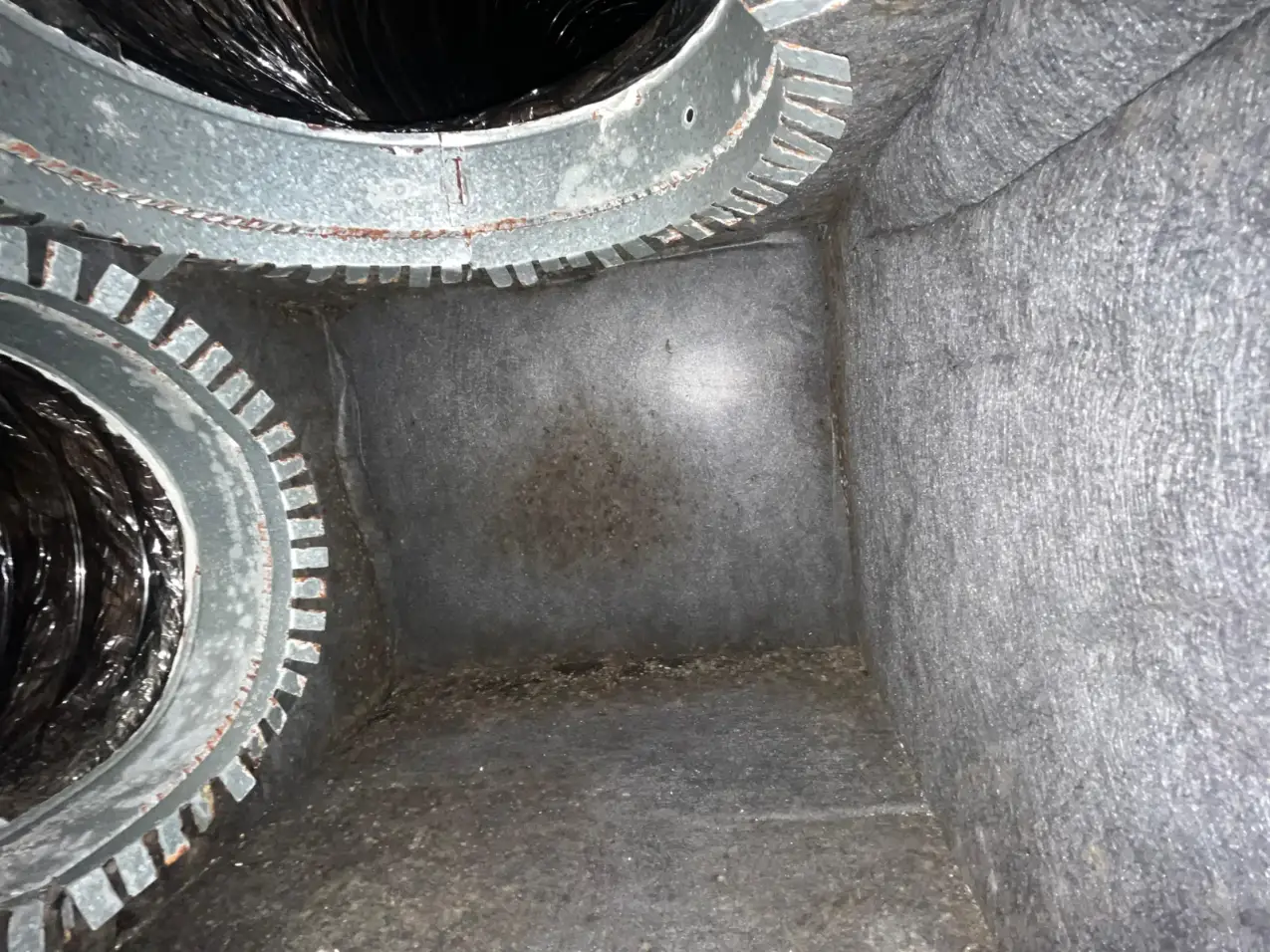
Check safety and product details before choosing a UV unit
Air cleaning is a support step, not a substitute for source control and ventilation. The EPA guide to air cleaners cautions against products that intentionally produce ozone. It also warns that some UV products may emit ozone if their lamps do not have adequate coatings.
Before installation, ask for the exact product model and where it will go. Ask whether the product documentation addresses ozone emissions. Ask what access is needed for later service and whether the lamp will have a clear view of the intended surface. These questions matter more than broad claims about cleaner air.
Prepare for an air quality inspection
You do not need to take apart your HVAC system. A few notes can make the visit more useful.
- Write down where you notice dust, smell, moisture, or weak airflow
- Note whether the concern is near a return, a supply vent, or the indoor unit
- Take photos of visible debris, water, or staining if it is safe to do so
- Make the indoor equipment and main returns easy to reach
- Tell the technician about recent remodeling, water leaks, pest activity, or filter changes
Ask for plain answers about what was observed and what was not visible without further access. Actual duct condition, coil cleanliness, filter fit, moisture source, and UV placement need an onsite look.
Questions homeowners often ask
Can a UV air purifier replace my HVAC filter?
No. A filter catches particles as air passes through it. A system-mounted UV lamp works by shining on a surface or through a limited exposure area. Keep using the filter size and type specified for your system, and make sure it is seated so air cannot bypass it.
What should I keep after duct cleaning or UV installation?
Keep the written work scope, photos of accessible conditions if provided, repair notes, and the UV product model information. Those records can help you track later maintenance, discuss a new odor or drainage concern, and confirm what equipment is installed.
What if a musty smell gets stronger after rain?
Tell the service provider when the smell appears and where you notice it first. That timing can help direct attention to water entry, drainage, damp equipment areas, or wet building materials. Do not cover the smell with a fragrance before the inspection if you can avoid it.
For an inspection and a clear next step in Houston, call Lone Star Air Duct Cleaning Services at (832) 430-1849 for air duct cleaning or UV air purifier service.