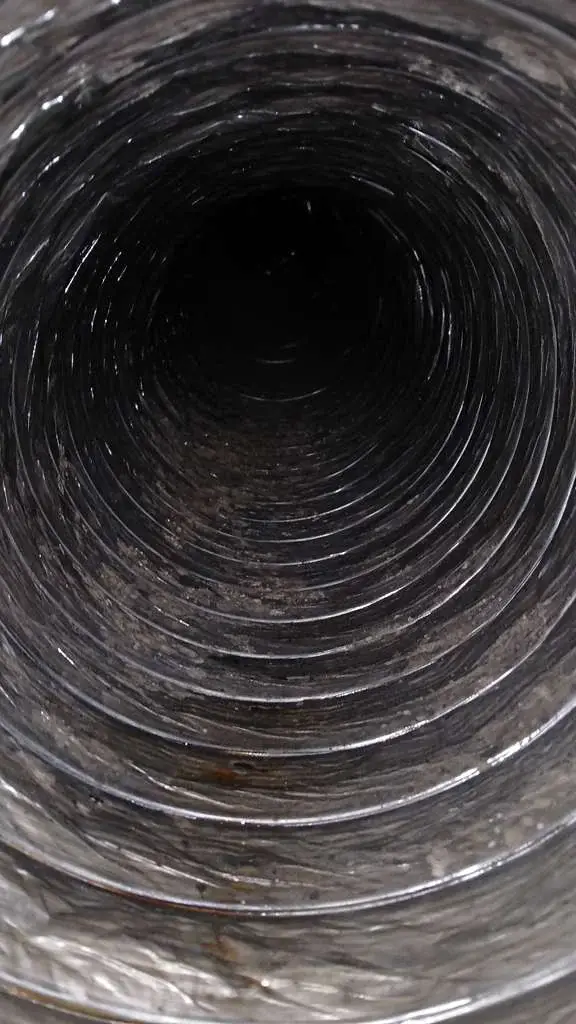

Duct leakage testing measures how much heated or cooled air escapes from your duct system. It gives you a number to use before deciding on sealing, repair, replacement, or balancing. It can be worth scheduling when rooms stay uncomfortable, bills rise without a clear reason, ductwork changes, or a Houston project needs testing for inspection.
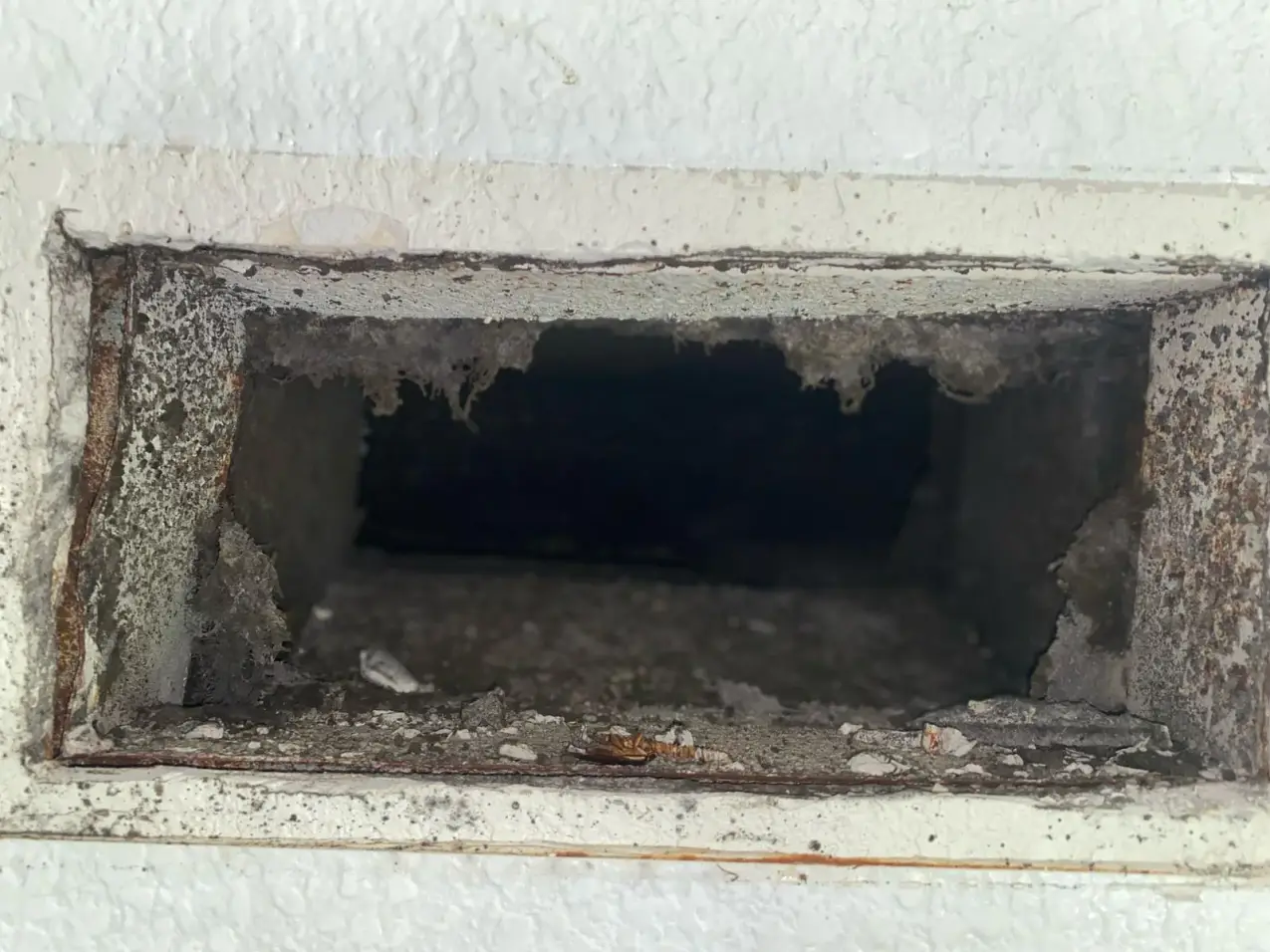
What duct leakage testing checks
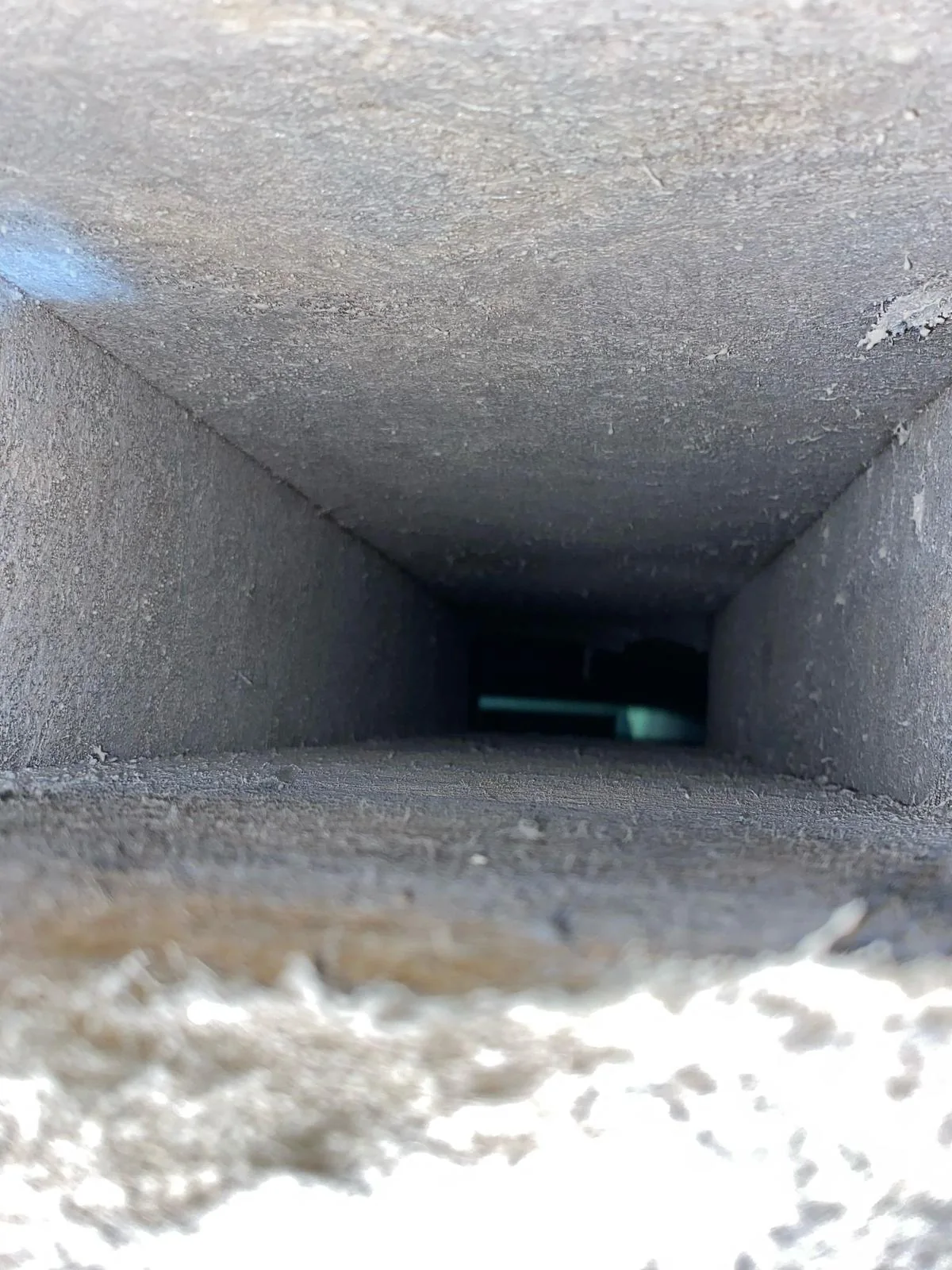
Your heating and cooling system moves air through supply ducts to rooms and pulls air back through return ducts. Gaps, loose connections, holes, and damaged duct sections can let air escape or pull in air from spaces outside your living area.
A duct leakage test checks the duct system as a connected path. A test setup puts the ducts under controlled pressure, then measures the airflow needed to hold that pressure. The result puts a number on air loss rather than relying only on a visual guess.
The Building America Solution Center from PNNL explains that a test may measure total duct leakage or leakage to the outdoors. It can include both supply and return ducts. The common test reading is airflow at 25 pascals of pressure, often written as CFM25. CFM stands for cubic feet per minute. Pascals are simply the pressure level used for the test.
A total leakage result can show that the duct system is losing air. A leakage-to-outdoors result focuses on air that leaves the conditioned part of the home. The right measurement depends on why you need the test and where the ducts run.
Know what a test can and can’t tell you
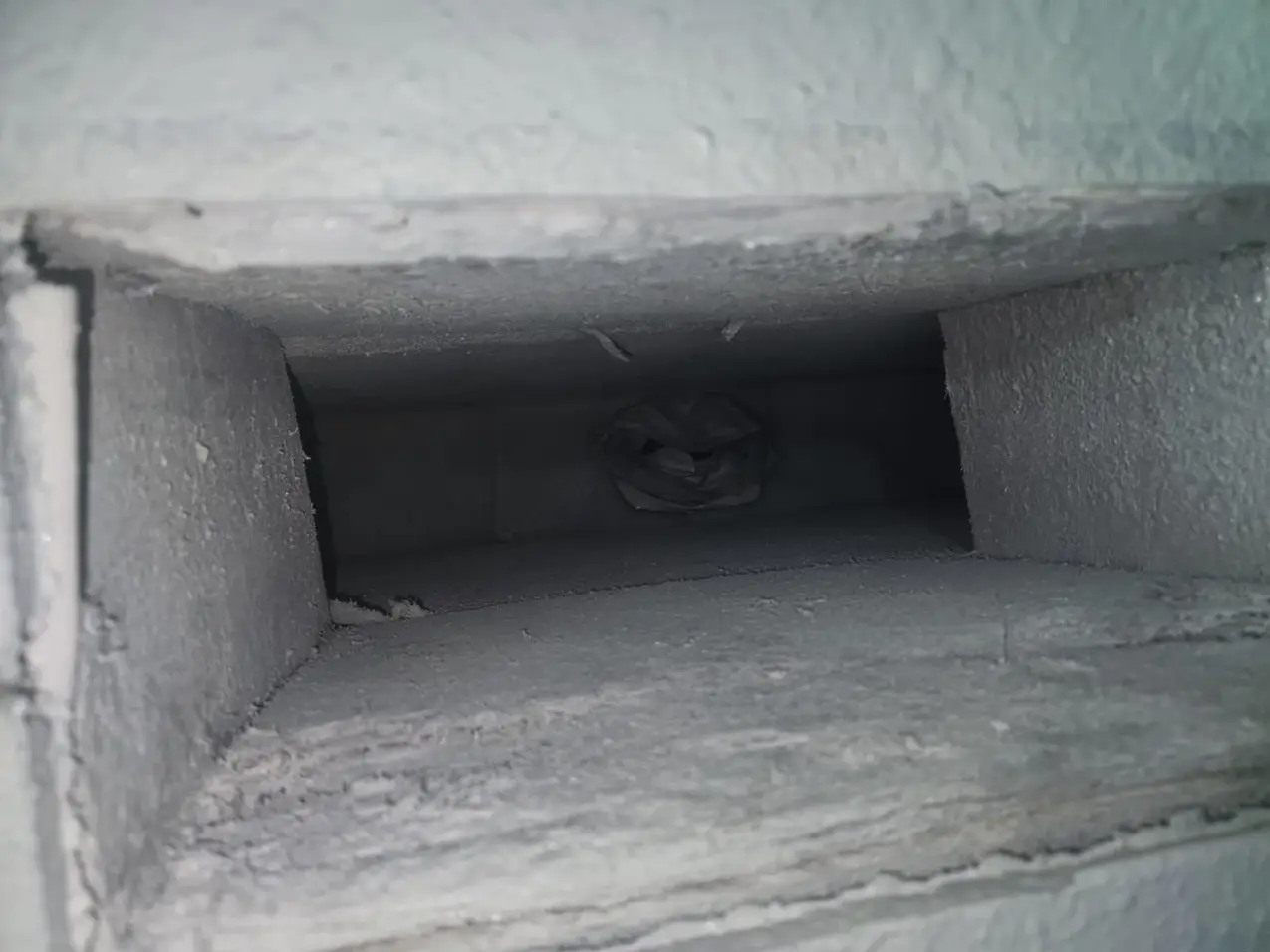
A test gives a measured result for air loss. That result can help you decide whether duct work deserves more attention. It does not repair a leak, clean a duct, or prove that every comfort problem comes from the ducts.
Hot or cold rooms can have several causes. Airflow settings, insulation, windows, the HVAC equipment, and blocked vents can matter too. A test is useful because it separates a duct question from a guess. If the result points to duct loss, the next step may be a closer look at connections, damaged runs, or the path of the ductwork.
It also may not identify every exact leak point by itself. Think of it like checking whether a bucket has lost water. The amount missing tells you there is a problem, while a closer inspection helps find where to make repairs.
When duct leakage testing is worth scheduling
Testing makes the most sense when the result will change your next decision. Start with the problem you want to solve and whether you need documentation for a project.
Schedule before paying for major duct work
If you are weighing duct sealing, repair, replacement, or balancing, a measured result can give the work a clearer starting point. It may help avoid choosing a repair only because a room feels warm. It can also provide a before-and-after comparison if testing is part of the scope.
If you want a Houston-area test before choosing duct work, Duct Leakage Testing from Lone Star Air Duct Cleaning Services is the direct next step. Share what you are noticing and whether the request is for a comfort concern or a project requirement.
Schedule after new duct work or a remodel
A remodel can add, move, or reconnect duct runs. New equipment work may also involve changes near the air handler or supply trunks. Testing after this work can check the system’s air loss rather than assuming each connection stayed tight.
It is especially useful when ducts were covered by drywall, insulation, or other finished materials. It can be harder to inspect those areas later.
Schedule when comfort problems stay in the same rooms
Rooms that are hard to cool, rooms that feel stuffy, and noticeable differences from room to room are reasons to ask whether the ducts should be tested. A single warm room does not prove a duct leak. Still, a test can help decide whether to keep looking at the duct system or investigate another part of the home.
Pay attention to patterns. Note which rooms feel different, what time of day the problem is strongest, and whether it happens during both mild and hot weather. Those notes give the technician a better picture of the concern.
Schedule when ducts run through the attic, garage, or crawlspace
Ducts outside the living area have more chances to lose conditioned air before it reaches a room. The ENERGY STAR duct sealing page says typical homes lose about 20% to 30% of duct airflow through leaks, holes, and poor connections. It also lists hard-to-condition rooms, high utility bills, ducts in attics, crawlspaces, or garages, and kinked flexible duct as warning signs worth checking.
That national figure is not a measurement of your home. Your own test result is what matters when you are deciding whether repairs make sense.
What happens during the appointment
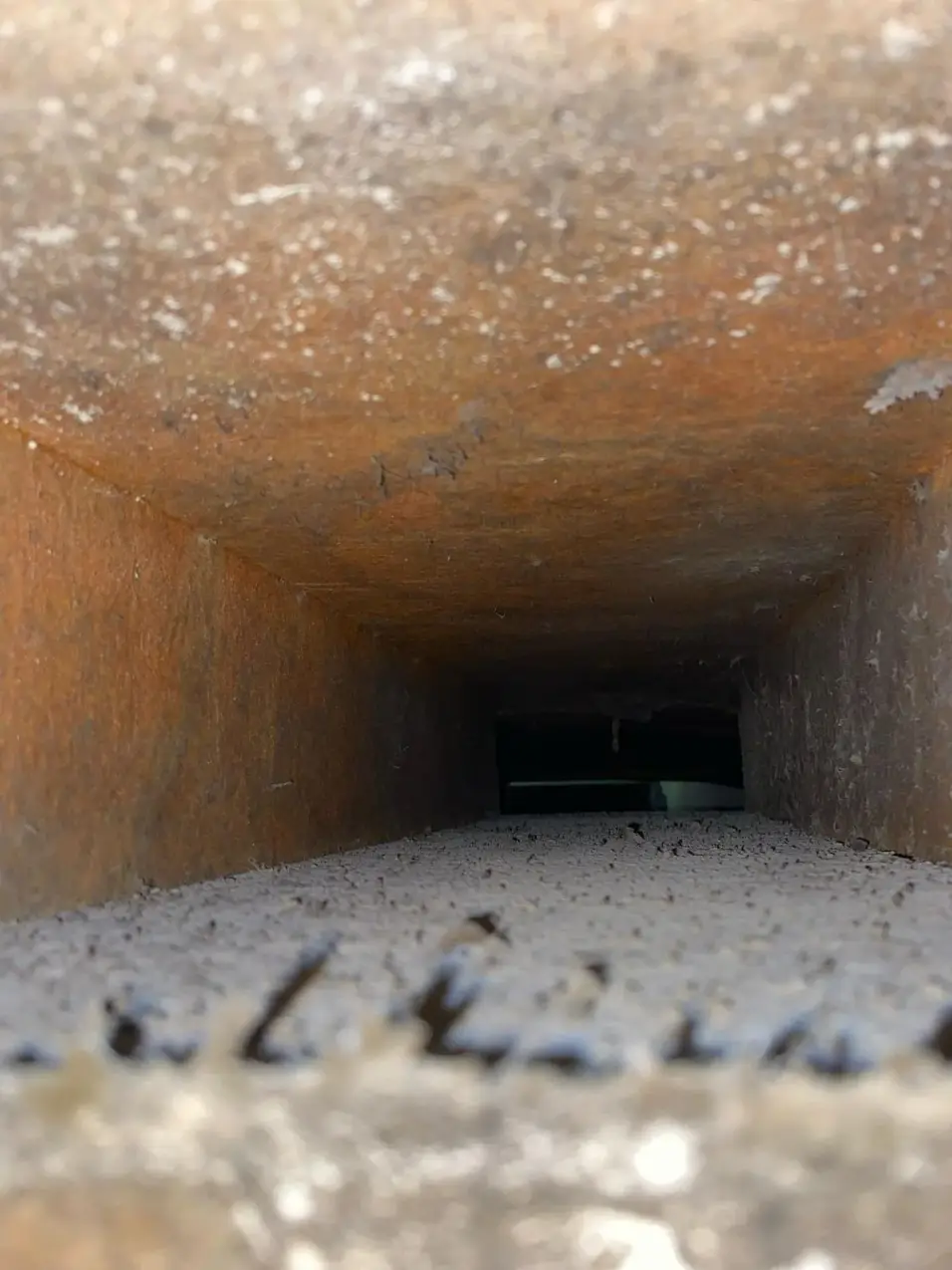
The technician connects testing equipment to the duct system and closes off openings needed for the measurement. The equipment creates the test pressure and records airflow. The setup and access needed can vary with the home, the number of HVAC systems, and the reason for testing.
Before you book, have these details ready.
- Your property address
- The number of HVAC systems in the home
- The rooms or concerns you have noticed
- Your permit number, if there is one
- Your target inspection date, if an inspection is pending
- Whether blower door testing is also requested
A blower door test is separate from duct leakage testing. It checks how much air leaks through the home’s outer shell, such as around doors, windows, and other openings. Asking for the right test helps prevent a mix-up when a permit or project calls for a specific report.
Use the result to choose a next step
Ask for the test result and what it measures. Then match the next action to the finding and the goal you had when scheduling.
| Your goal | Useful follow-up |
|---|---|
| You want to know if ducts are part of a comfort problem | Review the result with the room pattern and inspect duct connections or runs if needed. |
| You are considering duct repair | Use the measurement to discuss whether sealing, reconnecting, or replacing damaged sections fits the finding. |
| You changed ductwork during a project | Confirm which measurement and paperwork the project requires before the inspection date. |
| You want to compare work before and after repairs | Ask whether repeat testing is appropriate for the planned work. |
Keep the result with your project papers. It can make later conversations with an HVAC contractor, builder, or inspector more specific.
Houston permit testing needs a separate check
Some permitted work may call for energy testing before final inspection. The exact requirement depends on the project and the jurisdiction. For work inside the City of Houston, the Houston Permitting Center states that third-party energy testing technicians must register to operate in the city. It describes registered technicians as trained and certified for residential energy-efficiency leakage testing as independent third-party agents.
Nearby cities and counties can use different rules. Check the permit documents and confirm the required test, report, timing, and tester status with the authority handling your permit. Do this before the work is closed up or an inspection is scheduled.
Questions homeowners ask about duct leakage testing
Can duct leakage testing find the exact hole?
The test measures air loss from the duct system. It can show whether leakage is present at a meaningful level, but finding each opening may need a separate inspection. Access to attic runs, return boxes, connections, and flexible duct affects what can be checked.
Should I get duct cleaning before a leakage test?
Cleaning and leakage testing answer different questions. Cleaning deals with material inside ducts. Leakage testing measures whether air escapes through the duct system. The order depends on your goal, the duct condition, and any work already planned.
Will a duct test tell me why my utility bill changed?
It can show whether duct air loss may be part of the picture. Utility use can also change with weather, thermostat settings, equipment condition, insulation, and how the home is used. A test result is a useful piece of evidence, not a full bill analysis.
Do I need blower door testing too?
Only if your project requirements call for it or you also need to check air leakage through the home itself. Duct testing focuses on the duct system. Blower door testing focuses on the building shell. Ask which report your permit or project needs.
For duct leakage testing in Houston, contact Lone Star Air Duct Cleaning Services at (832) 430-1849. Tell the team whether you need help with a comfort concern, planned duct repair, or a permit-related test, then schedule the service that fits your next step.