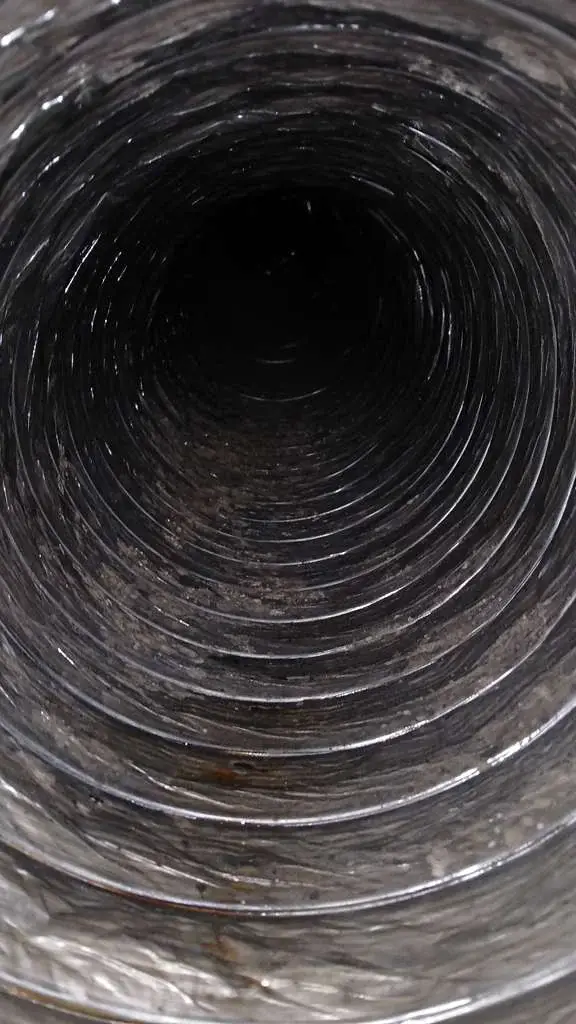


If your dryer starts taking forever, your laundry room feels like a sauna, or you smell something hot and weird, your dryer vent is probably crying for help. Watching for early clues like long dry times, burning smells, or lint on the vent hood can keep your home safer and your dryer working better, without waiting for a scary clog or worse.

Why your dryer vent matters more than you think
Your dryer feels simple. Wet clothes go in, dry clothes come out. Easy. Behind the scenes, it works a lot harder than it looks.
Every load sends hot, moist air and tiny pieces of lint out through the dryer vent. That vent usually runs through the wall, maybe up through the attic or out the side of the house, then exits outside.
When that vent fills with lint, three big problems show up:
- Clothes take longer to dry.
- Your dryer works harder and wears out faster.
- Fire risk goes up because lint lights fast, like dry grass.
You do not need to be a tech or a handyman to spot the early warning signs. Your dryer, your laundry room, and even the outside vent hood all send clues if you slow down and look.
Let us walk through those clues, in normal English, so you know when it is time to call for dryer vent cleaning, especially if you live around Houston and deal with that hot, sticky Gulf air.
Early warning sign 1: Longer dry times
Think back to when your dryer was new or freshly cleaned. A normal cotton load might have been dry in about 40 to 50 minutes.
Now ask yourself:
- Are you running the same load twice?
- Do you pull out clothes that are hot but still damp?
- Do towels feel warm and heavy after a full cycle?
If yes, that is a classic sign that your dryer vent is clogged or starting to clog.
Here is what is going on:
- Hot air cannot move out fast because lint blocks the vent.
- Moist air stays trapped in the drum.
- Clothes just spin in a warm fog, not actual dry air.
A lot of people blame the dryer heater right away. Many times, the vent is the bad guy, not the dryer.
Think of it like this: Imagine trying to breathe through a straw that is half filled with paper. You can still breathe, but you work harder and do not feel great. That is your dryer with a dirty vent.
Early warning sign 2: Laundry room feels way too hot
Your laundry room should not feel like you opened the oven door. Warm is normal. Roasting is not.
Key things to notice:
- The air in the room feels thick or sticky.
- The room gets hot fast once the dryer starts.
- The area around the dryer feels hot to the touch.
When the vent is clogged, hot air that should go outside backs up into the dryer and then into the room. In Houston, where many homes near Beltway 8, Highway 6, or I-45 already deal with humid air, that extra heat feels even worse.
Houston humidity makes this problem louder:
- Moist air from the dryer adds to the sticky air you already have.
- Poor venting means your AC in nearby rooms has to fight harder.
- Metal vent pipes in hot attics can heat up more than normal.
If your laundry room feels like a mini sauna every time the dryer runs, your vent is waving a big red flag.
Early warning sign 3: Burning or hot plastic smells
This sign matters. Take it seriously and act fast.
You might notice:
- A hot, dusty smell, almost like an old heater when you turn it on for the first time.
- A light burning smell when the dryer runs on high heat.
- A hot plastic smell near the vent or behind the dryer.
These smells can come from:
- Lint that is too close to the heating element.
- Lint stuck in the vent pipe that is getting cooked.
- A dryer that is overheating because air cannot escape.
Lint is tiny fabric fiber. It lights fast and burns hot. You do not want it piled up in a super hot metal tube.
If you smell burning or hot plastic:
- Stop the dryer.
- Do not run another load until you figure it out.
- If you see smoke or anything glowing, call 911 first, then deal with the vent later.
No joke here. A little caution now saves a lot of trouble later.
Early warning sign 4: Visible lint on or around the vent hood
Step outside and find where your dryer vents out. You should see a vent hood with a flap, screen, or small cover.
Look for these clues:
- Lint stuck on the flap or screen.
- Gray, fuzzy lint on the wall or siding around the vent.
- Lint on the ground right below the vent.
If lint is piling up outside, that means:
- The vent is pushing lint all the way through, but
- So much lint is moving that it cannot get clear of the exit.
- Some of the vent line may already be coated or packed.
Also, watch the vent flap when the dryer runs:
- Flap opens wide and air blows strong: better sign.
- Flap barely moves or does not move at all: big warning.
Weak airflow at the vent often means a clog somewhere in the vent run.
Early warning sign 5: Dryer exterior feels very hot
Put your hand on the top or sides of the dryer halfway through a cycle.
Ask yourself:
- Warm or hot?
- Warm is normal.
- Hot enough that it is not comfy to leave your hand there is not.
A clogged vent traps heat inside the dryer cabinet. Internal parts get stressed. Electronic boards, belts, and plastic parts do not love high temps.
You may also notice:
- The control panel feels hot.
- The back of the dryer feels hotter than usual.
- The area where the vent hose connects feels very hot.
That extra stress can shorten the dryer’s life, and it can also raise safety risks.
Early warning sign 6: More lint than normal in the lint trap
You already know to clean the lint trap every load, right? If not, we just became friends, because we need to talk.
Watch for these patterns:
- The trap is packed after one small load.
- You see fine lint getting past the screen.
- You find lint in places it usually does not show up.
A heavy lint load in the trap tells you the dryer is shedding fiber. That is normal to a point, especially with new towels or blankets. But if the trap seems extra full and you also have long dry times, it often means the vent is clogged, so lint is backing up everywhere.
Also, if you notice lint on the inside of the door, around the seal, or blowing out when you open the door, that is another sign the air path is not clear.
Early warning sign 7: The vent hood flap is stuck or damaged
That little vent flap outside has one job. Stay shut when the dryer is off, open when the dryer runs.
If the flap is:
- Stuck open: critters and rain can get inside, plus lint collects faster.
- Stuck closed: air has almost nowhere to go, so pressure builds up.
- Broken or missing: lint floats out and sticks around the opening.
A stuck flap can be caused by lint buildup right at the exit. When Lone Star Air Duct Cleaning Services cleans dryer vents in Houston, we often find thick mats of lint lodged just behind the vent hood, especially on homes near busy roads where dust mixes with lint and packs tight.
If your flap barely moves or has not moved since the Astros last won a game you liked, it is time to check that vent.
What we usually see in Houston, TX
Working around Houston, Lone Star Air Duct Cleaning Services techs see a few common patterns:
- Homes with dryers in interior closets in places like Midtown or near the Medical Center often have long vent runs through the ceiling and roof. Long runs hold more lint.
- In older homes near areas like The Heights or Spring Branch, vents sometimes have sharp bends that trap lint faster.
- Attic vents above garages heat up in summer, which can bake lint and make it stick to the pipe walls.
Houston’s heat and humidity play a role too:
- Humid air from wet clothes makes lint cling to metal vent walls.
- In summer, attic temps rise high, so vents expand and contract, and joints can shift, catching lint.
- Heavy rain and storms can push debris against exterior vent hoods, which then mix with lint.
All of this means dryer vents around Houston often clog faster than people expect, even when they clean lint traps every load.
Quick self-check: Simple dryer vent tests at home
You can spot a lot of problems without tools. Try these:
1. The paper towel test
- Turn your dryer on air fluff or low heat.
- Go outside to the vent hood.
- Hold a single paper towel near the vent opening.
- If it barely moves, airflow is weak, and your vent may be clogged.
2. The time test
- Wash and dry a normal load of cotton clothes.
- Set a timer when you start the dryer.
- If it takes more than 60 minutes and clothes still feel damp, something is wrong with airflow.
3. The touch test
- After 15 to 20 minutes of running, gently touch the dryer sides.
- If it feels very hot instead of just warm, that hints at bad venting.
4. The sniff test
- Stand by the laundry room door 10 minutes into a cycle.
- If you smell anything hot or scorched, shut the dryer off.
- Let it cool and then get the vent inspected.
These quick checks do not replace a pro cleaning, but they help you catch trouble early.
Simple troubleshooting steps: If X, then Y
Here is a plain action list you can use when you notice signs:
- If clothes take 2 cycles to dry, then check and clean the lint trap, then check airflow at the outside vent.
- If the laundry room feels hot and sticky, then step outside and see if the vent flap opens wide when the dryer runs.
- If you smell burning, then stop the dryer, unplug it, and do not run it again until the vent is checked.
- If lint builds up around the outside vent, then the vent line likely has buildup inside and needs cleaning.
- If the dryer feels hotter than normal, then shorten the hose to the shortest safe length and call for a vent inspection.
- If the vent flap does not move at all, then it could be blocked with lint, stuck with paint, or broken, and the vent should be serviced.
- If your house is older and you do not know when the vent was last cleaned, then schedule a full vent cleaning before trouble starts.
Common myths and facts about dryer vents
Myth: Cleaning the lint trap is enough.
Fact: The lint trap catches a lot, but not all. Fine lint still travels into the vent and coats the pipe over time.
Myth: Only old dryers cause fires.
Fact: New dryers with clogged vents can overheat too. Age of the dryer matters less than how clear the vent is.
Myth: Metal vent pipes never clog.
Fact: Metal pipes are safer than plastic, but lint still sticks, especially at bends and joints.
Myth: If air comes out of the vent, it is fine.
Fact: You can have airflow and still have heavy buildup. Weak airflow or long dry times mean something is not right, even if some air moves.
How often should you clean your dryer vent?
Every home is different, but some simple timing rules help.
Weekly care
- Clean the lint screen every single load.
- Wipe lint off the dryer door seal.
- Peek at the floor behind and beside the dryer for stray lint bunnies.
Monthly care
- Wash the lint screen with mild soap and water if it looks coated. Fabric softeners can leave a film that blocks air.
- Vacuum around the dryer base and behind it if you can slide it out safely.
- Step outside and check the vent hood for lint or stuck flaps.
Yearly care
Most homes do well with a full dryer vent cleaning once every 12 months.
You may need cleaning more often if:
- You have a large family and run several loads a day.
- You have pets, especially long hair breeds. Pet hair mixes with lint and clogs faster.
- Your dryer is far from an outside wall, so your vent run is long.
- You live in a multi story home or apartment where the vent goes up through the roof.
In Houston, we often see homes that need cleaning every 6 to 9 months because of heavy use and long vent paths up through hot attics.
Safety tips without the scare
You do not need to panic, just build a few simple habits:
- Stay home when the dryer runs. If something goes wrong, you are there to act.
- Do not run the dryer overnight while you sleep.
- Clean the lint trap every time, even if it looks almost empty.
- Keep the area around the dryer clear, no stacks of boxes or bags right up against it.
- Use only rigid or semi rigid vent pipe, not thin plastic flex hose that can crush and trap lint.
- If you notice any warning signs from this guide, do not ignore them for months.
Think of your dryer like a car. If it starts making weird sounds or smells, you check it out. Your dryer deserves that same attention.
Why clogged vents are common in Houston homes
A quick story.
Picture a two story house near Katy or Cypress with a dryer on the first floor in the middle of the house. The builder runs the vent up through the wall, across the attic, then out the roof. That vent run might be 20 feet or more, with bends to dodge rafters and pipes.
Now add:
- Houston summer heat cooking the attic.
- Humid air from dryer loads piling into that long pipe.
- Lint sticking at every little screw and bend.
After a while, the vent narrows inside like a clogged artery. The outside looks normal, so the owner never suspects anything. Clothes start taking longer to dry, the laundry room warms up, and they think, “Guess the dryer is getting old.”
Then we come out, open the vent, and pull out enough lint to stuff a pillow. The owner just stares and says, “That was all in there?”
That kind of surprise is very common around Houston.
When to call a pro vs when DIY is fine
You can handle:
- Lint trap cleaning.
- Wiping inside the door area.
- Light vacuuming behind and under the dryer, if safe.
- Checking and cleaning around the outside vent hood.
You should call a pro if:
- The vent run goes through the attic, roof, or a long wall.
- You have a gas dryer and do not feel comfortable moving it.
- You notice burning smells or very hot dryer housing.
- You see birds nests or critter signs near the vent.
- You have not had the vent cleaned in over a year, and you run several loads a week.
A good dryer vent cleaning uses special brushes and vacuums that travel through the full length of the vent. The goal is to clear the whole path, not just the first few feet behind the dryer.
FAQs
1. How do I know if my dryer vent is clogged or if my dryer is just old?
If your dryer used to dry fine and now takes longer, and you notice hot rooms, burning smells, or weak airflow at the outside vent, the vent is a strong suspect. A quick vent cleaning often fixes “old dryer” problems.
2. Is dryer vent cleaning really needed if I always clean the lint trap?
Yes. The lint trap only catches what reaches it. Fine fibers still blow past and stick to the vent walls, especially at bends. Over time, that buildup grows and blocks airflow.
3. How often should a dryer vent be cleaned in Houston, TX?
Most homes in Houston do well with yearly cleaning. Busy homes that run many loads, or homes with long vents through hot attics, often need cleaning every 6 to 9 months.
4. Can I clean my dryer vent myself with a store brush kit?
You can clean short, straight vents yourself if you feel safe pulling the dryer away from the wall. But long vents, roof exits, or vents with several bends are better handled by a pro, so you do not push lint deeper or damage the vent.
5. Is it safe to run the dryer if I smell a burning odor?
No. Turn the dryer off, unplug it, and let it cool. Do not run it again until a tech checks the vent and the dryer. A burning smell means something is too hot and needs attention.
6. Why does my laundry room get so hot when the dryer runs?
Most times, hot air is not venting outside as it should. A clogged vent or crushed vent hose makes the dryer leak hot, moist air into the room. That feels even worse in humid Houston weather.
7. What kind of vent pipe is best for safety and airflow?
Rigid metal vent pipe is best. Semi rigid metal is second best for short runs. Thin plastic or foil flex hose crushes easily, holds lint, and is not a good long term choice.
8. Can a clogged dryer vent raise my electric or gas bill?
Yes. If every load needs two cycles, your dryer uses more energy and runs longer. Clearing the vent helps clothes dry faster, so the dryer does not have to work as hard.
Dryer vent cleaning help in Houston, TX
If you are seeing any of these warning signs that your dryer vent needs cleaning, Lone Star Air Duct Cleaning Services can help keep your home safer and your dryer running better. Our local team serves Houston, TX and nearby areas, handling dryer vent cleaning and air duct services for houses, townhomes, and apartments. We clear lint buildup through the full vent run, check airflow, and help cut down on long dry times, extra wear on your dryer, and fire risk.
To schedule service or ask a question, call us at (832) 430-1849 or visit https://lonestarairductcleaningservices.com/.