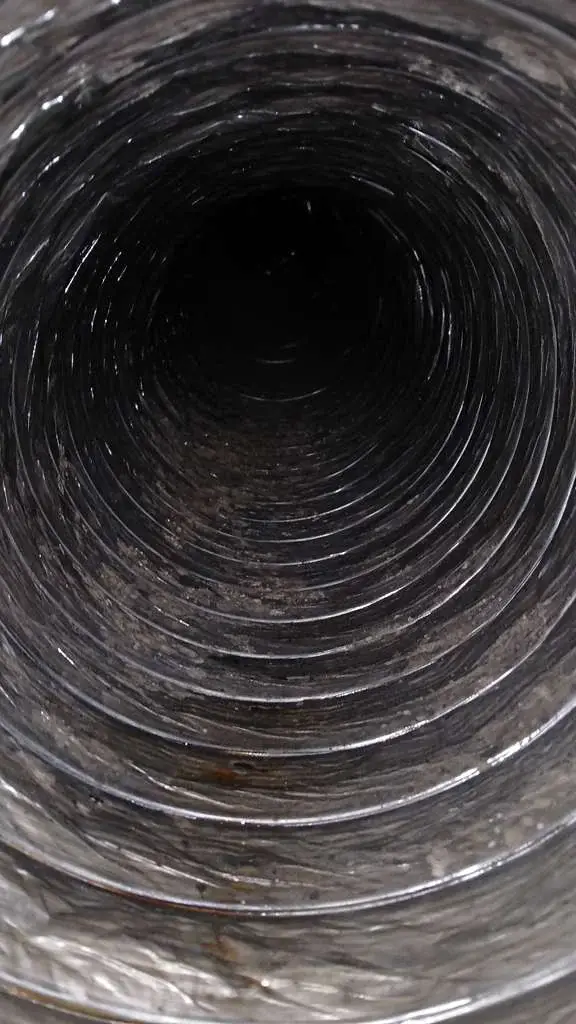


Dirty air ducts can make allergy flare ups worse because your HVAC system can blow dust, pet dander, pollen, and bits of old lint through the house. When the air runs, those tiny particles can move from the ductwork into the rooms where you sleep, work, and relax. Cleaner ducts and good filter habits can mean less sneezing, less itchy eyes, and fewer “why is my nose mad at me” mornings.
Why your air ducts matter more than you think
Your ductwork is like the lungs and hallways of your home. Air goes in, air goes out, and it travels through long metal tunnels behind walls and in the attic. If those tunnels are dirty, your system may keep picking up the same mess and pushing it back into your living space.
Picture a shop vac with a clogged filter. It still runs, but it does not feel clean. Your HVAC can act the same way. You may not see the dust flying, but you might feel it in your nose and throat.
Here is the plain deal. Allergies get worse when triggers stay in the air. Dirty ducts can keep triggers moving around. If you want to learn more about professional service options, see Air Duct Cleaning.
What builds up inside ductwork
Most homes do not start with dirty ducts. The grime builds up over time, a little at a time, like sand in a boot.
Common particles found in duct systems include:
- Dust and skin flakes from daily life
- Pet dander and fur, even from “low shed” pets
- Pollen that rides in on shoes, clothes, and open doors
- Lint, especially when laundry areas are nearby
- Bits of insulation from attic or wall gaps
- Mold spores when moisture and warmth stick around
Some of this stuff is normal in any home. The problem starts when it piles up and keeps getting stirred.
How dirty ducts can make allergies and sinus issues worse
Allergy flare ups happen when your immune system overreacts to a trigger. The trigger can be harmless to most people, but your body treats it like a bad guy and hits the alarm.
Dirty ducts can play a part in a few ways.
1) More triggers floating in the air
When the blower turns on, air moves fast. That moving air can lift settled dust inside ducts. It can also carry tiny particles through supply vents into bedrooms and living rooms.
If someone in the home already has allergies, that extra load can be enough to start a flare up.
2) Triggers hit you where you rest
Many people run the AC at night in Houston because sleeping in warm, sticky air is no fun. If ducts are dirty, the bedroom becomes the “delivery room” for airborne irritants. You wake up stuffy and blame the weather, the dog, or your pillow. Sometimes the ducts are part of the story.
3) Sinus irritation stacks up
Sinuses can get cranky when the air is full of fine dust. Add dry air from heating in colder months, then add dust again, and your nose may feel like it is stuck in a cycle.
4) Odors can tag along
Dust and dander can hold odors. When the system starts up, the smell can spread. That smell does not cause allergies by itself, but it can be a clue that buildup is sitting somewhere.
Common at home scenes that feel familiar
You do not need a lab coat to notice patterns. Many homeowners see the same daily clues.
“I just cleaned, why is it dusty again?”
You wipe the table. You turn around. Dust is back like it pays rent. If dust returns fast, some of it may be coming from airflow and vent circulation. Dust also comes from normal life, but ducts can add to the load.
“My allergies calm down when I leave the house”
You go to work or step outside and feel better. Then you come home and your nose starts acting up. That can point to indoor triggers. Ductwork is not the only possible source, but it is worth checking.
“The dog sleeps on the couch, and now I can’t breathe right”
Pet dander is light. It spreads. Once it gets pulled into returns, it can end up in the duct system. The HVAC then helps share it with every room, like a party you did not agree to.
“We had renovations, now my sinuses hate me”
Drywall dust and sawdust can travel. If returns were open during work, dust can enter the system. Then it keeps circling.
“It smells musty when the AC kicks on”
Musty smells can come from moisture and organic buildup. Houston humidity can make that easier. A musty smell does not prove mold, but it is a sign to inspect.
How Houston weather plays into allergy flare ups
Houston heat and humidity change the indoor air game.
- High humidity can help dust clump, but it can also support microbial growth when moisture sits in the wrong place.
- Long cooling seasons mean the AC runs a lot, which means air moves through ducts a lot. More run time can mean more circulation of particles.
- Big rain events can raise humidity inside if a home has leaks or if the HVAC pulls damp air from an attic or crawl space.
- Short cold snaps mean heaters run, then stop, then run again. That on and off cycle can stir settled dust.
If you live near areas with heavy traffic like I-10 or the Sam Houston Tollway, outdoor particles can also ride inside when doors open. Your HVAC then helps move that mix around.
What we usually see in Houston, TX homes
In many Houston houses, ductwork runs through hot attics. That setup can let dust and insulation bits enter if there are gaps or loose connections. We also see more moisture issues during humid months, especially when drain lines clog or when attic ventilation is poor.
A few common situations:
- Older ducts with loose joints that pull in attic dust
- Return grilles that collect heavy dust near hallways
- Pet hair buildup near returns in living rooms
- Lint migration when the laundry area is close to the HVAC path
For homes with suspected gaps or loose connections, service options like Air Duct Repair and Duct Leakage Testing may be part of the conversation.
Signs your ductwork may be adding to your allergy problems
Some clues are loud. Others are sneaky.
Watch for:
- Sneezing or itchy eyes that spike when the AC turns on
- Dust lines around supply vents
- A puff of dust from a vent when the system starts
- Rooms that smell stale even after cleaning
- Filters that look loaded way too fast
- More sinus pressure at night or in the morning
These signs can also come from carpets, bedding, and outdoor pollen. Still, ducts are a major pathway, so they are worth a look.
Quick troubleshooting steps you can try at home
Use this simple “If X, then Y” list to narrow things down.
- If you see dust blowing from a vent, then stop using that vent for a moment and check the filter right away.
- If the filter is cheap and thin, then switch to a better quality filter that fits your system.
- If allergies spike in one room, then check that room’s vent for visible dust and check if the door stays closed a lot. Airflow changes can trap irritants.
- If there is a musty smell when cooling starts, then check for standing water near the indoor unit and look for a clogged drain line.
- If you have pets and returns look fuzzy, then vacuum around return grilles often and brush pets more outside.
- If dust returns fast after cleaning, then check for leaks around return ducts in the attic, if safe to access.
- If you feel worse at night, then wash bedding weekly and make sure supply vents are not aimed right at the bed.
Safety note: if you go into an attic, watch for heat stress, exposed nails, and unstable decking. Houston attics can feel like an oven fast. If it feels risky, skip it.
Where the particles come from, room by room
It helps to know the usual sources, so you can cut them off.
Living room
This is often the main return area. More foot traffic means more dust. Pets also hang out here. If the return is near the floor, it can pull in more hair and dirt.
Bedrooms
Bedding holds skin flakes and dust. If you run the AC hard at night, particles can move more. If a vent is coated with dust, that dust can end up on surfaces again.
Kitchen
Cooking particles can spread, especially if ventilation is weak. Grease film can trap dust. That mix can cling to grilles.
Laundry area
Lint is a big one. If a dryer vent is clogged or leaking, lint can escape into the air. That lint can travel and end up near returns. Related service info is available on Dryer Vent Cleaning.
Dirty ducts vs dirty filters, they are not the same
A dirty filter is like a full trash bag. It needs swapping. Dirty ducts are more like crumbs behind the couch. You can keep cleaning the room, but those crumbs keep showing up.
Filters help catch particles, but they do not catch everything. If ducts already have buildup, changing filters alone may not fix the issue.
Also, if a filter does not fit tight, air can sneak around it. That lets dust go right into the system.
A few myths and facts that clear things up
Myth: If I can’t see dust, my ducts are clean.
Fact: Dust can sit deeper in the runs and still get stirred during system cycles.
Myth: If I change filters, I never need duct cleaning.
Fact: Filters help a lot, yet dust can still enter from returns, gaps, and normal living.
Myth: Allergy problems are only from pollen outside.
Fact: Outdoor pollen matters, but indoor triggers like pet dander and dust can keep symptoms going all year.
Myth: A musty smell means the system is unsafe.
Fact: It can be a sign of moisture or buildup, but it needs a real inspection to know the cause.
How cleaner ducts support easier breathing
Cleaner ducts can reduce the amount of loose debris available to circulate. That can help sensitive family members in a few practical ways:
- Less dust landing on surfaces after the system runs
- Fewer airborne irritants during long cooling cycles
- A fresher smelling airflow in many homes
- A cleaner start after renovations or after moving into a new place
This is not magic. It is basic housekeeping for the hidden parts of the HVAC path.
Care schedule for fewer allergy flare ups
Keep it simple and steady. Your nose will thank you, even if it does not send a thank you card.
Weekly
- Vacuum high traffic areas, especially near returns.
- Wipe dust from vent covers and nearby walls.
- Wash bedding in hot water if allergies are active.
Monthly
- Check the HVAC filter and replace it if it looks loaded.
- Look at supply vents for dust buildup and clean the grille.
- Walk the home and sniff for musty odors when the AC turns on.
Seasonally, every 3 to 6 months
- Check for gaps around return grilles and loose vent covers.
- Make sure bathroom fans vent out and not into the attic. Moisture belongs outside.
Yearly
- Schedule an HVAC checkup and ask about airflow and drain line condition.
- Consider a duct inspection, especially if you have pets, allergies, recent remodeling, or an older home. Information on ongoing upkeep is available via Air Duct Maintenance.
- Check the dryer vent path and confirm it vents outside and is clear. Lint and moisture are a messy combo.
Why dryer vents belong in this talk too
Dryer vents do not connect to your HVAC ducts, yet they affect indoor air and comfort. A clogged dryer vent can leak lint into the laundry area. Lint can then get pulled toward returns and spread.
Safety note: lint buildup can raise fire risk. Keep the vent path clear and do not ignore long dry times. For additional background, see CDC/NIOSH and Wikipedia: HVAC duct.
Clues your dryer vent needs attention:
- Clothes take longer to dry
- The dryer feels hotter than normal
- A dusty, linty smell in the laundry area
- The outside vent flap barely opens
Simple habits that help right away
You can make quick changes without turning your weekend into a home project show.
- Keep doors and windows closed during high pollen days, then run the AC with a clean filter.
- Use a doormat and leave shoes at the door. Pollen loves to hitch rides.
- Brush pets outside when you can. Less dander indoors means less in the returns.
- Do not block returns with furniture. Your system needs to breathe too.
- If you remodel, cover returns and vents during dusty work, then clean up before running the system hard.
FAQs
Can dirty air ducts cause allergy flare ups at home?
They can add to flare ups by circulating dust, pet dander, and pollen that settled in the ductwork. If someone is sensitive, that extra exposure can matter.
How do I know if my ducts are making my allergies worse?
Look for symptoms that spike when the AC runs, quick dust buildup on surfaces, dust around vents, and a stale smell at startup. These signs do not prove it, but they point to the system as a place to check.
Will air duct cleaning fix my allergies?
It can help reduce airborne irritants from duct debris, but allergies often have more than one trigger. Filters, bedding, carpets, pets, and outdoor pollen also play a part.
How often should I change my HVAC filter in Houston?
Many homes need changes every 1 to 3 months, and sometimes more during heavy AC use or if you have pets. Check it monthly until you learn your home’s pattern.
Is duct cleaning messy or unsafe?
When done with proper equipment and containment, it should not dump dust into your rooms. Ask what steps are used to control debris. If you have asthma or strong allergies, plan to stay in another room during the work.
Can humidity make duct problems worse?
Yes. Humidity can raise the chance of moisture issues near the HVAC system. Moisture plus dust can create buildup that smells musty and can irritate sensitive noses.
What parts of the home should I clean first to help allergies?
Start with filters, bedding, and the areas around returns and vents. Then look at carpets and pet areas. Duct inspection can come next if symptoms stay strong.
Do dryer vents affect indoor air quality?
They can. Lint that escapes indoors can add particles to the air and settle around the home. A clear vent also helps your dryer run better.
Schedule service in Houston, TX
If you want help cutting down allergy triggers moving through your vents, Lone Star Air Duct Cleaning Services can inspect and clean your air ducts and handle dryer vent cleaning for homes in Houston, TX. Call (832) 430-1849 or visit https://lonestarairductcleaningservices.com/ to schedule service. For scheduling, you can also use Contact Us.