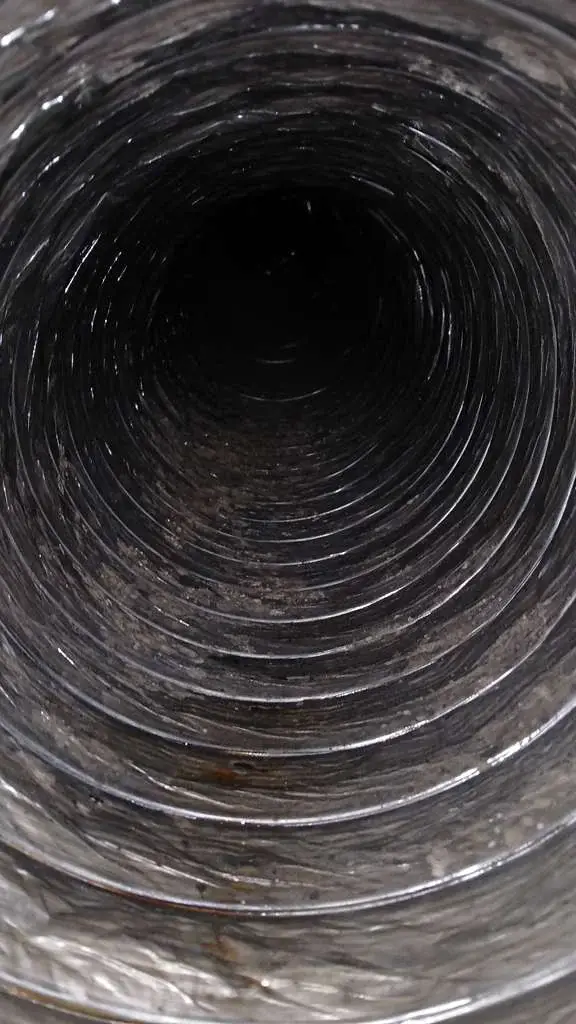

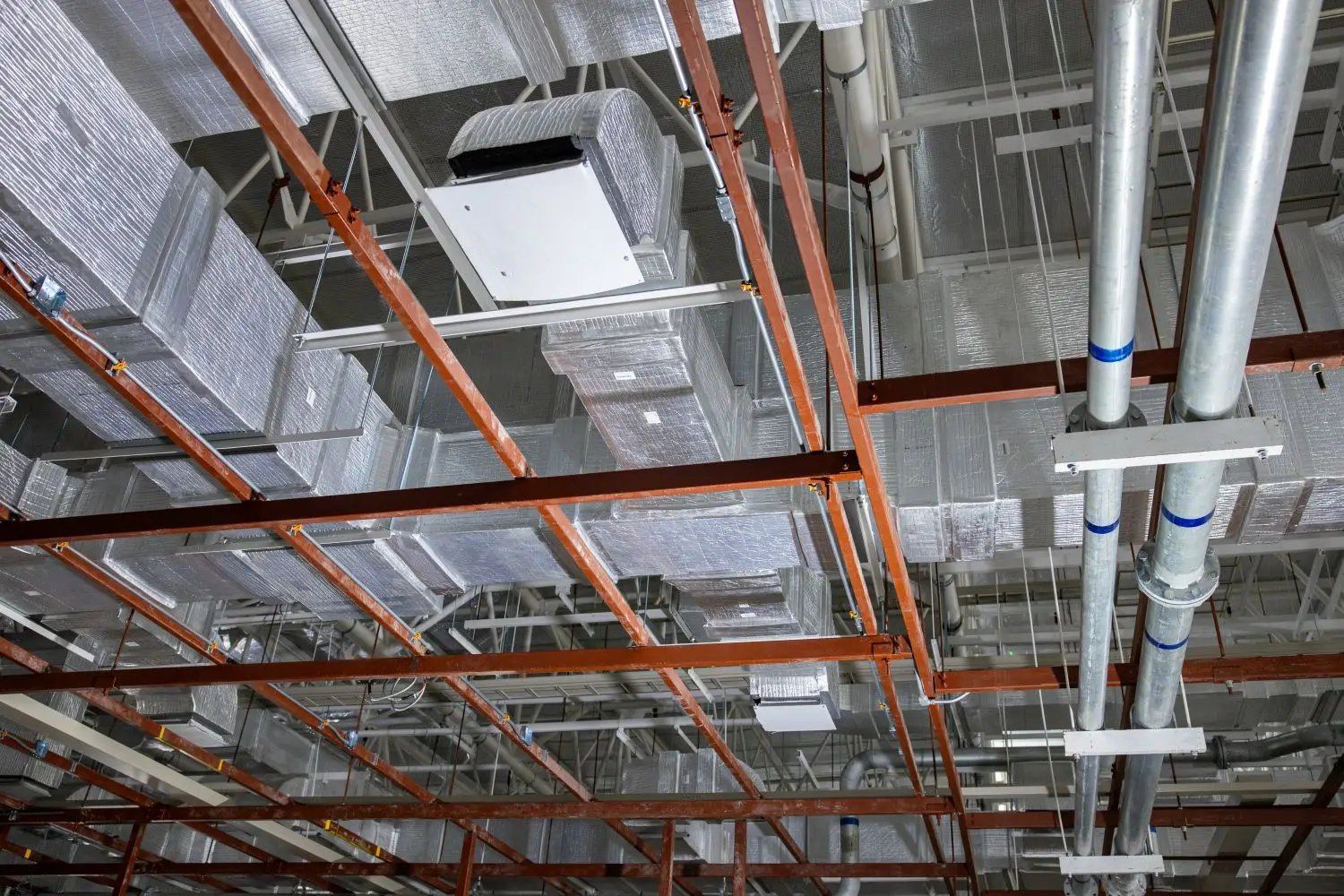
A new HVAC system can still heat and cool poorly if your old ductwork is leaky, crushed, dirty, or the wrong size. Think of the HVAC unit as the engine and the ducts as the roads. If the roads are full of potholes and dead ends, the engine cannot get you where you want to go. In many Houston homes, duct updates are the missing piece that helps new equipment actually feel new.
Why ductwork matters more than most people think
Your HVAC unit makes cold or warm air. Your ductwork is the delivery system. If the delivery system fails, comfort fails too.
Old ductwork can cause:
- Weak airflow in some rooms
- Hot and cold spots across the house
- Longer run times
- More dust on furniture
- Higher indoor humidity, even when the AC is running
- Extra wear on the blower and coils
Here is a simple picture. You buy a new garden hose nozzle, but the hose has holes and kinks. You still get a sad little spray. The nozzle was not the problem.
What “old ductwork” really means
Ducts do not have an expiration date sticker. Age shows up as wear, damage, and old install habits.
Common types in Houston homes include:
- Flexible ducts in attics, often sagging or torn over time
- Metal ducts, sometimes with loose joints or old tape that dries out
- Ductboard, which can get damaged if the attic gets traffic or moisture
Age can also mean “wrong for the house now.” Many homes have had changes over the years, room additions, garage conversions, new windows, or more insulation. The HVAC equipment may have changed too. The ductwork may still be stuck in the past.
The most common ways old ducts hold back new HVAC
Leaks that dump your comfort into the attic
Duct leaks are like paying for cold air and then mailing it to your attic as a gift. Even small gaps add up.
Leak spots we often find:
- At plenum connections near the air handler
- At takeoffs where branch ducts connect
- At boot connections behind ceiling grills
- At old seams where tape has dried and lifted
In Houston summers, a leaky supply duct can push cool air into a 120 degree attic. Meanwhile the house stays warm and sticky. Return leaks can be just as bad. They can pull hot, dusty attic air into the system.
Safety note: If you have gas appliances, duct leakage and pressure issues can affect how air moves in the home. If you smell gas or see soot near a vented appliance, stop and call a licensed pro.
Undersized ducts that choke airflow
Newer HVAC systems often need the right airflow to run correctly. If ducts are too small, the system can struggle.
Signs of undersized ducts:
- Whistling or “wind” noise at vents
- Rooms far from the unit never feel right
- The blower sounds like it is working hard all the time
- Filters get dirty fast from high air speed and turbulence
It is like trying to breathe through a coffee straw. You can do it for a second, but you will not like it.
Ducts that are crushed, kinked, or sagging
Flexible duct is common in attics, and it can get beat up. A heavy box, a worker stepping wrong, or years of sagging can reduce airflow.
What it causes:
- Weak air from certain vents
- Longer cool down time
- Frozen coils in some cases, since low airflow can let the coil get too cold
Poor return air, the silent comfort killer
Supply vents get the attention, but return ducts are the vacuum side of the system. If returns are too small, blocked, or leaky, the system cannot move enough air.
Clues you have return issues:
- Doors slam or feel hard to open when the system runs
- Some rooms feel “stuffy”
- Dust seems to appear right after you clean
- The unit is loud, like it is gulping air
A new HVAC system cannot perform right if it cannot “drink” enough air.
Dirty ducts that keep re-feeding dust
Dirt inside ducts does not always mean the ducts are the main source of dust. But heavy buildup can restrict airflow and can spread debris when the system cycles.
If you recently replaced the HVAC unit, you may have bumped or disturbed old duct debris during the install. Then the new system starts up and blows that stuff around like a leaf blower in a garage.
Old insulation and sweating ducts in humid weather
Houston humidity is no joke. When cold air moves through ducts in a hot attic, the duct exterior can sweat if insulation is poor or damaged.
That can lead to:
- Drips on ceiling drywall near vents
- Damp insulation around ducts
- Musty smells when the AC first turns on
Rainy stretches and high dew points make this worse. If the attic ventilation is poor, it can turn into a wet blanket problem fast.
A quick Houston reality check
Homes along I-10 near Spring Branch, and older neighborhoods with mixed remodel history, often have a patchwork of duct runs from different eras. We also see many homes with large attic duct systems where flex duct is stretched too tight in some spots and sagging in others.
What we usually see in Houston, TX:
- Flex ducts laid across attic joists with sharp bends that slow airflow
- Loose return connections near the air handler that pull attic dust
- Old supply boots with gaps that leak into wall or ceiling cavities
- Duct insulation torn from past roof work or pest activity
If your home sits near busy roads like the Katy Freeway, leaky returns can pull in attic dust that later shows up inside, even when you run good filters.
How to tell if ductwork is holding back your new system
You do not need fancy tools to notice patterns. Walk the house and pay attention.
Common signs:
- One or two rooms never match the thermostat
- The system runs long cycles but comfort stays “meh”
- The air feels cold at the vent, but the room stays warm
- You see dust streaks around vent covers
- You smell a musty odor at startup, mainly during humid weeks
- Your energy use feels higher than it should after a new install
A simple at-home check:
- Hold a tissue near a supply vent. It should blow steady, not weak and not wildly noisy.
- Check doors. If a room door closes by itself when the AC kicks on, airflow balance may be off.
- Look at vent covers. If they are rusty, stained, or dirty fast, moisture or leakage may be involved.
Simple troubleshooting steps you can use right now
- If one room is always hot, then check for a closed register, blocked return path, or a kinked flex duct in the attic.
- If airflow is weak across many vents, then check the filter first, then ask about duct sizing and return air limits.
- If you hear whistling at vents, then the duct run may be too small, too tight, or the grille size may be limiting flow.
- If you see dust puffs when the system starts, then check for leaky returns or heavy duct debris that needs cleaning.
- If you smell musty odors after rain or high humidity days, then check for sweating ducts, wet insulation, or gaps pulling damp attic air.
- If the AC coil freezes, then turn the system off and call a pro, low airflow from duct issues can be a root cause.
Myths people hear about ducts, and what is really true
Myth: “If the HVAC unit is new, comfort problems are gone.”
Fact: The unit can only work as well as the ducts allow.
Myth: “Duct tape fixes duct leaks.”
Fact: Many common tapes fail in attic heat. Long lasting sealing uses the right materials and methods.
Myth: “Bigger HVAC equipment will fix weak airflow.”
Fact: Bigger equipment can make comfort worse if ducts cannot move enough air.
Myth: “Dirty ducts always mean you have a bad system.”
Fact: Duct dirt can come from many sources, but heavy buildup and leaks can hurt airflow and indoor comfort.
Duct sizing and airflow, why newer equipment can be picky
Many modern systems aim for specific airflow to hit their target performance. When ducts are too small or poorly laid out, airflow drops. That can lead to:
- Poor dehumidification, the house feels cool but sticky
- Uneven temperatures
- Stress on motors and components
It is like putting new tires on a truck with a bent axle. The tires are fine. The ride still shakes.
Cleaning, sealing, or replacing, how to know what you need
When duct cleaning helps most
Cleaning can help when:
- There is visible buildup or debris in ducts
- You had recent construction or a new HVAC install stirred up dust
- You see dust blowing from vents at startup
- Dryer vent lint is adding to indoor dust problems
Cleaning works best as part of a bigger plan, paired with leak checks and airflow checks. Related services include Air Duct Cleaning and Dryer Vent Cleaning.
When duct sealing makes sense
Sealing is a good fit when:
- You have leakage at joints and connections
- Some rooms get weak airflow even though the unit is strong
- You see dust around vents from air pulling through gaps
If you want a deeper airflow-focused check, consider Duct Leakage Testing.
When duct replacement is the better move
Replacement may be needed when:
- Flex ducts are crushed, torn, or sagging badly
- Duct insulation is falling apart or stays damp
- Ducts are the wrong size for the system
- The layout is messy, with long runs and sharp turns that slow air
A good duct upgrade is not about making everything new just to feel good. It is about making airflow steady, balanced, and clean. Learn more about Air Duct Replacement and Air Duct Repair.
Houston weather, and why ducts take a beating here
Heat and humidity are a rough combo. Attics get hot enough to cook a pizza, and moisture hangs in the air for long stretches.
What that does to ductwork:
- Hot attic air makes leakage more costly, since losses happen at the worst time
- Humidity raises the risk of sweating ducts if insulation is damaged
- Heavy rain and storms can lead to attic moisture issues that affect duct insulation
- Long cooling seasons mean the system runs more, so small duct problems show up more often
Even mild winter cold snaps matter. If ducts are leaky, heated air can vanish into the attic, and bedrooms can feel chilly while the living room feels fine.
For background on indoor humidity and comfort, see https://en.wikipedia.org/wiki/Humidity.
Care schedule to keep ducts and vents from turning into trouble
Weekly
- Check one or two vents for strong airflow and normal sound.
- Listen for new rattles, whistling, or a “whoosh” that was not there before.
Monthly
- Check and change the HVAC filter as needed.
- Walk the home and note any room that is drifting warmer or cooler than usual.
- Look at vent covers for dust streaks or dark lines.
Yearly
- Have the duct system checked for leakage, damage, and airflow balance.
- Inspect attic duct insulation for tears or damp spots.
- Get the dryer vent checked and cleaned when needed, a clogged vent can hurt drying time and adds lint risk.
Safety note: Dryer vents should not dump into the attic. Lint and moisture do not belong up there. For additional fire-safety guidance, see https://www.nfpa.org/education-and-research/home-fire-safety/clothes-dryers.
FAQs
Can old ductwork make my new AC feel weak?
Yes. Leaks, kinks, and undersized ducts can limit airflow, so rooms do not cool well even if the unit is new.
How do I know if my ducts are leaking?
Common clues are dusty vent edges, uneven room temps, and high indoor dust. A pro inspection can confirm leak spots and airflow losses.
Should I replace ducts when I replace the HVAC unit?
Not always. Some ducts are fine. But many homes need repairs or updates so the new unit can move air the right way.
Is duct cleaning worth it after a new HVAC install?
It can be, mainly if old ducts had heavy dust, debris, or if the install disturbed buildup. Cleaning also helps you start fresh with better airflow.
Why is my house cool but still humid?
Low airflow, return leaks pulling humid attic air, or duct insulation problems can reduce moisture removal. Houston humidity makes these issues show up fast.
Can bad ducts raise my electric bill?
Yes. If air leaks into the attic or airflow is blocked, the system runs longer to reach the thermostat setting.
What about dryer vents, do they affect HVAC comfort?
They can. A clogged dryer vent adds indoor heat and humidity, and it can add lint to the air. Clean venting supports comfort and safer drying.
How long does ductwork last in a Houston attic?
It depends on material, install quality, attic conditions, and traffic in the attic. Flex duct can fail sooner if crushed or torn. Regular checks help catch issues early.
Old ductwork can keep your new HVAC system from doing its job, and Lone Star Air Duct Cleaning Services can help by inspecting duct conditions, cleaning air ducts, and handling dryer vent services so airflow is cleaner and more consistent across your home. Call (832) 430-1849 or visit https://lonestarairductcleaningservices.com/ to schedule service. You can also reach the team via Contact Us.