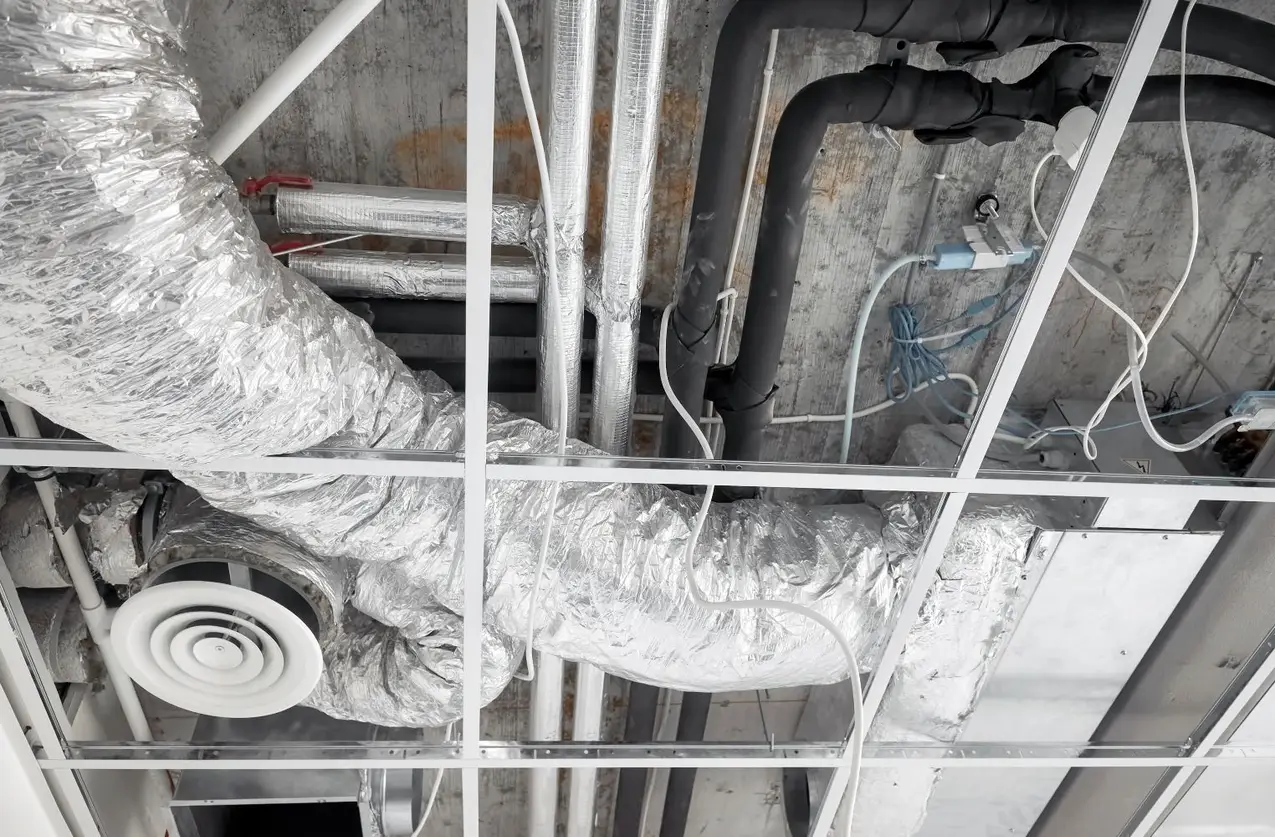

A dryer vent that only needs cleaning usually has lint buildup but the vent parts still fit tight and stay in place. A vent that needs repair shows damage or bad setup, like loose connections, crushed pipe, sharp bends, rattling metal, or air leaking into the laundry room. If your clothes take longer to dry and the room feels hot, you might need more than a simple lint cleanup.
Cleaning vs repair, what is the real difference?
Think of your dryer vent like a drinking straw. If the straw has gunk in it, you clean it. If the straw is cracked or pinched flat, cleaning will not help much. You fix or replace the straw.
Dryer vent cleaning removes lint and debris inside the vent line. Dryer Vent Cleaning focuses on clearing buildup so air can move through the line.
Dryer vent repair fixes problems with the vent parts or the way the vent runs. That can mean:
- Reconnecting loose joints
- Replacing crushed or torn flex hose
- Fixing a sagging run that traps lint
- Correcting a bad route with too many turns
- Sealing air leaks at joints
- Replacing a broken exterior vent hood or flap
You can clean a broken vent all day long. It still acts broken.
The big warning signs your dryer vent needs repair
1) Loose connections behind the dryer
If you pull the dryer out and the vent hose slips off easily, that is a repair clue.
What you may notice:
- A “whoosh” of warm air behind the dryer
- Lint on the wall or floor near the back
- A hose that sits crooked or half on, half off
Why it matters:
Loose joints leak air. Leaked air brings lint into the room and slows drying.
Quick check:
With the dryer off, gently tug the hose where it meets the dryer outlet. It should not wiggle much.
Safety note:
Unplug the dryer or switch off the gas dryer before you move it around.
2) Crushed pipe or kinked flex hose
This one is common. Dryers get pushed back, and the vent gets squished like a soda can in a truck tire.
What you may notice:
- Longer dry times even after you clean the lint screen
- A hose that looks flattened or sharply bent
- The dryer seems “too close” to the wall
Why it matters:
Airflow needs space. A crushed vent traps heat and lint. Your dryer then works harder. If the hose or connection needs attention, Dryer Vent Repair can address damaged parts and poor fit.
A simple rule:
If the vent looks like it lost a boxing match, it needs repair.
3) Loud rattling, thumping, or whistling from the vent
Dryers make normal tumbling noise. The vent should not sound like a kazoo.
What you may notice:
- Metal rattling in the wall or ceiling
- A whistling sound during the cycle
- A flap outside that bangs like a tiny door in a storm
Why it matters:
Noise often points to loose vent sections, a bad connection, or a damaged exterior hood. Cleaning lint will not stop a loose part from shaking.
Small anecdote:
A homeowner near Cypress told us, “My dryer sounds like it is trying to send Morse code.” The vent line had a loose joint in the attic and it vibrated every time the dryer ran.
4) Hot laundry room, even when the dryer is venting outside
A warm room is normal for a little bit. A hot room that feels like a mini sauna is not.
What you may notice:
- The room heats up fast during drying
- Humidity rises and the room feels sticky
- The door to the laundry room feels warm
Why it matters:
Hot, moist air may be leaking from a joint, or the vent may be crushed or partly disconnected. That means heat is not making it outdoors like it should.
Houston weather tie-in:
Houston humidity already sticks to you like a wet T-shirt. If your vent leaks, that extra moisture can make the laundry area feel muggy fast, and it can add strain to your AC.
5) Lint on the floor, wall, or behind the dryer
Lint belongs in the lint screen and in the vent line until it gets removed. It does not belong on your baseboards.
What you may notice:
- Little lint “tumbleweeds” behind the dryer
- Dusty lint on the wall near the dryer outlet
- Lint around the hose connection
Why it matters:
Lint outside the vent path often means the hose is leaking, torn, or not attached tight.
6) The vent hood flap outside does not open well
Go outside while the dryer runs. Watch the vent hood.
What you want:
A steady push of air and a flap that opens freely.
What you may see instead:
- Flap barely opens
- Flap is stuck open all the time
- Cover is cracked or missing
- Birds nest material or visible damage
Why it matters:
A damaged hood lets rain, pests, and humid air get into the line. In Houston storms, wind-driven rain can find its way into a broken hood and make lint clump inside.
7) The vent run has too many turns or sags
Some vents look like a roller coaster. Airflow hates roller coasters.
What you may notice:
- The hose droops like a hammock
- The line snakes around water heaters or shelves
- You see multiple tight bends
Why it matters:
Sags and sharp turns catch lint. This is not just a cleaning issue. It is a setup issue. If the vent run needs to be set up differently, Dryer Vent Installation may be part of the fix.
8) Plastic or thin foil “accordion” hose still in use
Many older setups have flimsy flex material. It tears easily and kinks fast.
What you may notice:
- Shiny foil tube with dents everywhere
- Small rips and tape patches
- A hose that cannot hold shape
Why it matters:
This type of hose can fail early, leak air, and crush easily. A sturdier setup often performs better and stays safer.
9) Burnt smell or “hot metal” smell near the dryer
A little warm laundry smell is fine. A sharp hot smell is not.
What it can mean:
- Vent restriction from a crushed section
- A disconnected joint dumping heat into the room
- Lint collecting where it should not
Safety note:
If you smell burning, stop the dryer and let it cool. Do not keep running it and hoping it goes away. For additional home safety guidance related to dryers and vents, see U.S. Consumer Product Safety Commission home fire safety information.
Simple checks you can do in 10 minutes
You do not need a toolbox the size of a truck bed. Try these:
- Check the lint screen. Clean it every load.
- Pull the dryer out slowly and look for a crushed hose.
- Look for lint on the floor around the vent connection.
- Run the dryer for a few minutes and feel for air leaks behind the dryer.
- Go outside and see if the vent flap opens and closes.
If anything looks broken, loose, or crushed, that points to repair.
Quick troubleshooting, if X then Y
- If clothes take two or more cycles to dry, then check for a crushed hose or a long vent run with many bends.
- If the laundry room gets hot and sticky, then check for loose joints leaking warm air indoors.
- If you see lint behind the dryer, then check for a torn flex hose or a bad connection.
- If the outside flap barely moves, then check the hood for damage or the vent line for a pinch point.
- If the vent makes rattling or whistling noise, then check for loose metal sections or a vibrating joint.
- If you find water spots near the vent exit after rain, then check for a broken hood or missing flap.
What we usually see in Houston, TX
Homes around Houston often deal with a mix of humidity, fast weather swings, and attic heat. Those conditions can push vent parts to fail sooner.
Common things we run into:
- Flex hose crushed behind the dryer in tight laundry closets
- Loose joints in attic runs that shift over time
- Exterior vent hoods that crack from sun and storms
- Lint clumping in damp sections after heavy rain and humidity
If your home is near busy roads like FM 1960 or you live in neighborhoods with lots of newer builds and tight utility spaces, vent routing can be a little tricky. Tight spaces make crushing and sharp bends more likely.
Why Houston heat and humidity make vent problems worse
Heat and humidity change how your vent behaves.
- Humidity can make lint stick together. Sticky lint clogs faster.
- Attic heat can stress vent tape and joints. Over time, joints loosen.
- Heavy rain can find ways into a damaged vent hood. Wet lint can clump and restrict airflow.
- When your dryer runs hot, it adds more warm air to a home that is already fighting the Texas sun.
A good vent path moves hot air out fast. That helps your dryer run better and keeps the laundry room more comfortable. If you also want broader HVAC airflow support, Air Duct Maintenance may be helpful for the rest of the home.
Repair issues that cleaning will not fix
Here are the common “nope, that is not just lint” problems.
Poor vent routing
If the vent run is too long or has too many turns, it may never breathe well. Cleaning helps some, but the setup still fights airflow.
Damaged vent sections
Crushed metal, torn hose, broken elbows, and separated joints need repair.
Leaky joints and gaps
Air leaks waste airflow. They also spread lint into the home.
Bad exterior hood
A broken hood or stuck flap can block air and let pests or rain in.
4 quick myths and facts
Myth: If the lint screen is clean, the vent is fine.
Fact: Lint can pack inside the vent line even when the screen looks clean.
Myth: Longer dry times always mean you need a new dryer.
Fact: Many times the vent path is crushed, loose, or blocked.
Myth: Any flex hose is good enough.
Fact: Some hoses crush and tear easily, which can cause leaks and poor airflow.
Myth: If you feel air outside, the vent is perfect.
Fact: You can still have leaks, crushed spots, or poor routing and still feel some air outside.
Care schedule that keeps problems from sneaking up
Keep it simple. Keep it steady.
Weekly
- Clean the lint screen every load, and rinse it with water if it looks coated.
- Do a quick “room feel” check. If the laundry room feels hotter than normal, pay attention.
Monthly
- Look behind the dryer for lint on the floor or wall.
- Check the hose for kinks or crushing.
- Step outside and confirm the flap opens well during a cycle.
Yearly
- Schedule a professional dryer vent cleaning.
- Ask for a vent inspection at the same time, so you catch damage early.
- Replace worn flex hose if it is torn, crushed, or patched with tape.
When to call for help right away
Call a pro if:
- The vent line is in the attic or wall and you cannot see the full run
- You suspect a disconnection inside a wall or ceiling
- You notice a burning smell, stop the dryer and get it checked
- The vent hood is broken and letting rain or pests in
This is not about panic. It is about not guessing when heat and airflow are involved.
FAQs
How do I know if my dryer vent needs repair or just cleaning?
Cleaning helps when lint buildup is the main problem. Repair is likely when you see crushed pipe, loose joints, torn hose, air leaks, loud rattling, or a broken outside vent hood.
Can a crushed dryer vent hose make my dryer overheat?
Yes. A crushed hose can choke airflow. Less airflow can mean more heat stays in the system, and clothes take longer to dry.
Why is my laundry room so hot when the dryer runs?
Hot rooms often mean warm air is leaking from a loose connection, or the vent is restricted. Houston humidity can make it feel even worse.
Is it safe to run the dryer if the vent is loose behind it?
It is better to stop and fix it. A loose vent can leak heat and lint into the room and reduce airflow.
What does a “noisy vent” usually mean?
Rattling can mean a loose joint or metal section vibrating. Whistling can mean air squeezing through a gap, bend, or damaged hood.
Should I use tape to patch a dryer vent hose?
Tape can be a temporary bandage, but it does not fix crushed sections or bad routing. If the hose is torn or weak, replacement is often the better fix.
How often should dryer vents be cleaned in Houston?
Many homes benefit from a yearly cleaning, sometimes more often if you do lots of laundry, have a long vent run, or notice slower drying.
Where is the outside dryer vent on most Houston homes?
Often it exits on an exterior wall near the laundry room. Some homes vent up through the roof. If you cannot find it, a pro can help trace the run. You can also review general background information about clothes dryer exhaust systems at https://en.wikipedia.org/wiki/Clothes_dryer.
Lone Star Air Duct Cleaning Services can inspect, clean, and repair dryer vents so air flows the right way and your dryer dries faster with less heat building up in the laundry room. If you live in Houston, TX and want help spotting damage, fixing loose or crushed vent parts, or correcting a problem vent setup, call (832) 430-1849 or visit https://lonestarairductcleaningservices.com/. For scheduling, use Contact Us.