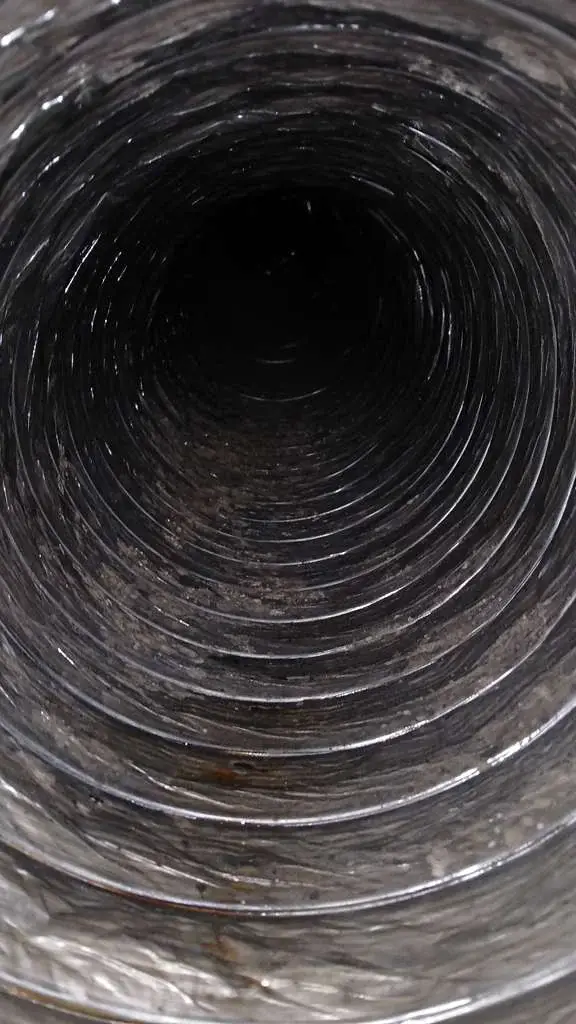


If dust keeps showing up on your floors, shelves, and vents right after you clean, dirty ductwork may be part of the problem. Air Duct Cleaning can cut down how much dust gets pushed around your home, but it will not make dust vanish like a magic trick. A proper cleaning helps reduce the dust cycle, improve airflow, and keep vents from blowing out old debris, yet homes still make dust every day from people, pets, fabrics, and outdoor air.
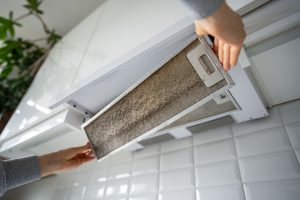
Why dust keeps coming back
A lot of homeowners feel like they are stuck in a bad joke. You dust on Saturday, and by Monday the TV stand looks like it grew a sweater. That happens because dust comes from many places, not just the duct system.
Dust can include dead skin cells, pet dander, carpet fibers, pollen, dirt tracked in from shoes, and tiny bits from paper and fabric. Your HVAC system moves air through the home all day. If the ductwork has a layer of dust and debris inside, some of that material can get picked up and moved again. Then it lands on supply vents, furniture, and floors.
Dirty ducts do not create all household dust. They can act like an old fan in a workshop, stirring up what is already there and spreading it room to room.
How dirty ductwork adds to indoor dust
Your duct system is like the lungs of your home. When it is packed with dust, the air moving through it can carry loose particles back into your rooms. This is more likely when ducts have heavy buildup, gaps, poor seals, or old debris left behind after remodeling work.
Here is what can happen:
- Dust collects inside return ducts and supply ducts over time
- Airflow lifts light debris and pushes it out through vents
- Dust settles on furniture, floors, and shelves
- Homeowners clean it up
- The HVAC system runs again, and the cycle starts over
That last part matters most. Air duct cleaning and indoor dust are linked because the HVAC system is always moving air. If the path that air uses is dirty, the system can keep feeding the mess.
Signs your ducts may be adding to the problem
Not every dusty home needs duct cleaning. Still, there are clues that point to the duct system.
You may want to take a closer look if you notice:
- Dust puffing out when the system starts
- Dark dust marks around supply vents
- Vent covers that get dirty fast after wiping
- More dust in rooms that run hotter or colder than others
- A stale smell when the air kicks on
- Recent remodel work, drywall sanding, or attic work
- Filters getting clogged faster than usual
A homeowner once said, “I change the filter, I dust the table, and two days later it looks like nobody did a thing.” That is a classic sign that the home may have more than normal surface dust, and the ducts may be helping keep it in motion.
What a proper cleaning can really do
Let us keep this honest and useful. A proper duct cleaning helps reduce loose dust and debris inside the duct system. That can lower the amount of old buildup that gets blown back into living spaces. It can also help vents stay cleaner longer and may help airflow if buildup was blocking parts of the system.
You can expect these kinds of changes after a proper cleaning:
- Less dust collecting around vents
- Slower dust buildup on floors and shelves
- Cleaner airflow paths
- Better HVAC airflow in some homes
- Less debris moving after the system turns on
You should not expect these things:
- A dust-free home forever
- No need to vacuum or dust again
- Every allergy problem to disappear
- Major HVAC repairs to fix themselves
Think of it like cleaning a dirty ceiling fan. Once you remove the grime, it stops throwing that grime around the room. But the room still gets dusty over time. The same idea applies here.
Why all dust is not the ducts’ fault
Even after Air Duct Cleaning, homes still make dust every single day. That is normal. People shed skin. Pets shed hair. Laundry releases fibers. Doors open. Windows leak a little air. Shoes bring in dirt. Cooking adds particles too.
So if you are hoping for a house where the coffee table stays spotless forever, that dream belongs in the same pile as socks that never go missing.
The goal is not zero dust. The goal is less recirculated dust from the HVAC system, better system cleanliness, and a slower return of buildup on surfaces.
What we usually see in Houston, TX
In Houston homes, we often see extra dust trouble after long A/C seasons, high humidity, and heavy use of return vents. Homes near busier roads or older neighborhoods can pull in more outdoor particles. In places near Westheimer or around The Heights, older duct systems and attic dust can play a part too.
Houston weather matters. Long hot months keep the cooling system running hard. More run time means more air moving through ducts, and more chances for loose dust to travel. Humidity can also make dust cling to vent covers and help debris stick inside parts of the system. After rain, wet shoes and muddy traffic can add more dirt indoors. During short cold snaps, systems may switch patterns and stir up settled debris that sat quietly for weeks.
Other causes of constant dust
Ducts are only part of the story. If dust keeps winning the battle, check these common sources too:
Low-quality or wrong-size air filters
A cheap filter may let more particles pass through. A filter that does not fit right can leave gaps around the frame, and air will take the easy path every time.
Leaky ductwork
If ducts have gaps in attic or crawl spaces, they can pull in dusty air from those spaces. Then the system sends that air right into the house. In cases like this, Air Duct Repair or Duct Leakage Testing may help identify the source.
Dirty return vents
Return vents pull air back to the HVAC system. If they are coated in dust, they can keep feeding the problem.
Old carpet and fabric furniture
Soft surfaces hold dust like a sponge. Every footstep can send some back into the air.
Pets
Dogs and cats are lovable little dust factories. Cute ones, yes. Dusty ones, also yes.
Poor humidity control
Air that is too dry can let particles float longer. Air that is too damp can make dust stick to surfaces and vents. You can read more about dust and how it builds up in homes.
A simple way to tell what is going on
Try a few checks before you blame everything on the ducts.
- If dust is heaviest near supply vents, the duct system may be part of it
- If dust spikes after remodeling, construction debris may be inside the ducts
- If one room gets dusty much faster, look for duct leaks or poor airflow in that branch
- If filters clog fast, check filter size, fit, and how often the system runs
- If you see dust on the vent cover right after cleaning it, inspect inside the vent with a flashlight
- If dust appears with musty smells, have the system checked for moisture issues
- If you have attic ducts and lots of ceiling dust, ask about duct sealing too
Quick pairs that clear up confusion
Myth: Duct cleaning removes all dust from a home.
Fact: It cuts down dust that comes from dirty ductwork, but homes still make dust every day.
Myth: If you change the filter, you never need duct cleaning.
Fact: Filters help a lot, but they do not remove old buildup already sitting inside ducts.
Myth: Dust on vents always means the ducts are dirty.
Fact: Sometimes it points to high airflow, filter problems, or dust in the room getting pulled to the vent.
Myth: Every home needs duct cleaning on a fixed schedule.
Fact: Need depends on dust buildup, pets, remodel work, filter care, and how the system is performing.
How proper cleaning should be done
A real duct cleaning is more than a quick vacuum at the vent opening. The full system should be cleaned with the right tools, including supply ducts, return ducts, registers, grilles, and other system parts tied to airflow. The goal is to remove buildup, not just poke at it.
A good cleaning also avoids making a bigger mess. Dust should be collected and removed, not blown around the home. If parts of the system are damaged or leaking, cleaning alone may not solve the dust issue. That is why inspection matters. Services such as Air Duct Testing and Air Duct Maintenance can support that process.
Short safety note, if you see damaged insulation, standing water, or anything that looks burned near HVAC parts, stop poking around and have it checked. For general home ventilation guidance, see the EPA Indoor Air Quality resources.
Weekly, monthly, yearly plan
Here is a simple home care plan that helps keep dust under control.
| Timing | What to do | Why it helps |
|---|---|---|
| Weekly | Dust with a damp cloth, vacuum floors and rugs, check vent covers | Picks up dust before it keeps moving |
| Monthly | Inspect air filter, vacuum around return vents, check for dust streaks near registers | Helps catch airflow and filter issues early |
| Every 3 months | Replace filter if needed, inspect for loose vent covers, look inside a few vents with a flashlight | Keeps the system from pulling and pushing extra debris |
| Yearly | Have HVAC checked, inspect ducts for buildup or leaks, review indoor humidity | Helps spot system issues that fuel dust |
| After remodel work | Inspect and clean ducts if needed | Construction dust spreads fast and hides well |
How weather affects dust and ductwork
Houston weather keeps HVAC systems busy. Long cooling seasons mean more airflow and more chances for dust to move. Humid air can make dust cling to metal vent covers and can add grime to the system over time. Heavy rain can lead to muddy foot traffic and more particles inside. Even brief cold weather can stir things up when the heater runs after sitting idle.
If your home feels dusty year-round, weather may be adding fuel to the fire. The system runs more, and moving air means moving particles.
When homeowners usually notice the biggest change
Most people notice the biggest change in these spots:
- Around supply vents
- On hard floors near vents
- On dark shelves and electronics
- In rooms that used to get dusty much faster than the rest
The change is often gradual, not dramatic. You may not walk in and hear angels singing. But many homeowners notice they are dusting less often, vents stay cleaner longer, and the air feels less stale when the system starts.
That is the realistic win.
FAQs
Does air duct cleaning help with dust in a house?
Yes, it can help when dirty ductwork is part of the problem. It removes built-up dust and debris from the system, which can cut down recirculated dust. It will not stop all dust from normal daily life.
How do I know if my air ducts are causing dust?
Look for dust around vents, dust blowing out when the system starts, fast buildup after cleaning, and heavy dust after remodel work. A flashlight check inside the vent can also show buildup.
How often should air ducts be cleaned?
There is no single rule for every home. Homes with pets, recent construction, older ductwork, or heavy dust may need it sooner than others. A system inspection helps answer that.
Will duct cleaning make my home dust-free?
No. It can reduce the dust cycle tied to dirty ducts, but people, pets, fabrics, and outdoor air still create dust every day.
Can a dirty air filter cause more dust?
Yes. A clogged or poorly fitted filter can let more particles move through the system or reduce airflow in ways that add to dust trouble.
Is duct cleaning safe for my HVAC system?
When done the right way, it should be safe for the system. The key is using proper tools and cleaning methods, not rough handling or shortcut methods.
Why is my house dusty even after I clean?
The cause may be a mix of dirty ducts, air leaks, poor filters, pet dander, carpet fibers, and outdoor dirt. Dust often has more than one source.
Does Houston humidity make dust worse?
Yes, it can. Humidity can make dust stick to vents and surfaces, and long A/C run times keep air moving through the ducts for much of the year.
If you are tired of wiping down the same shelf over and over and want help finding out if your duct system is feeding the dust cycle, Lone Star Air Duct Cleaning Services can help. Our air duct and dryer vent services help Houston homeowners cut down recirculated dust, support cleaner airflow, and keep HVAC systems working more smoothly. Call (832) 430-1849 or visit https://lonestarairductcleaningservices.com/ to schedule service. You can also reach out through Contact Us or learn more about Dryer Vent Cleaning.