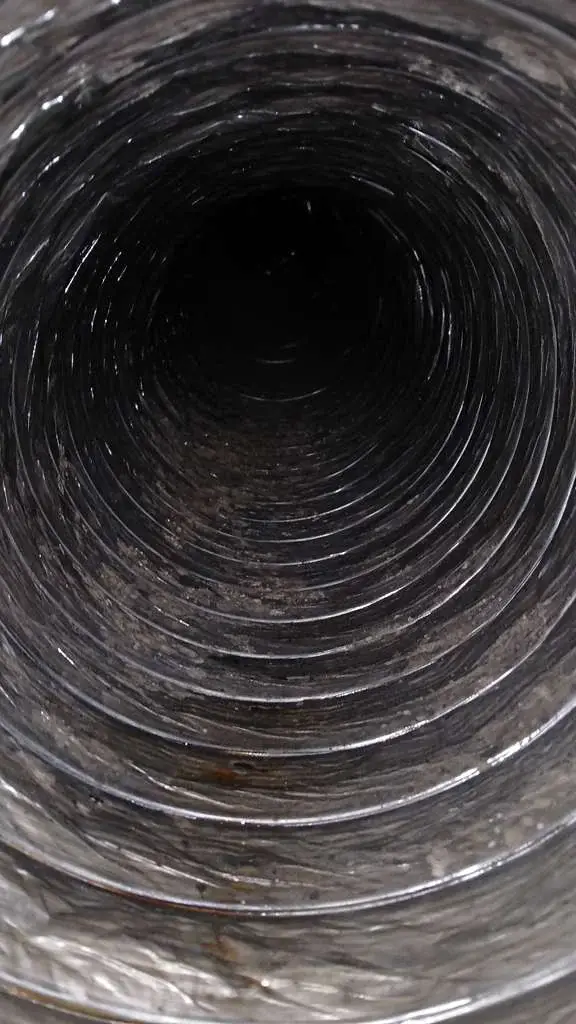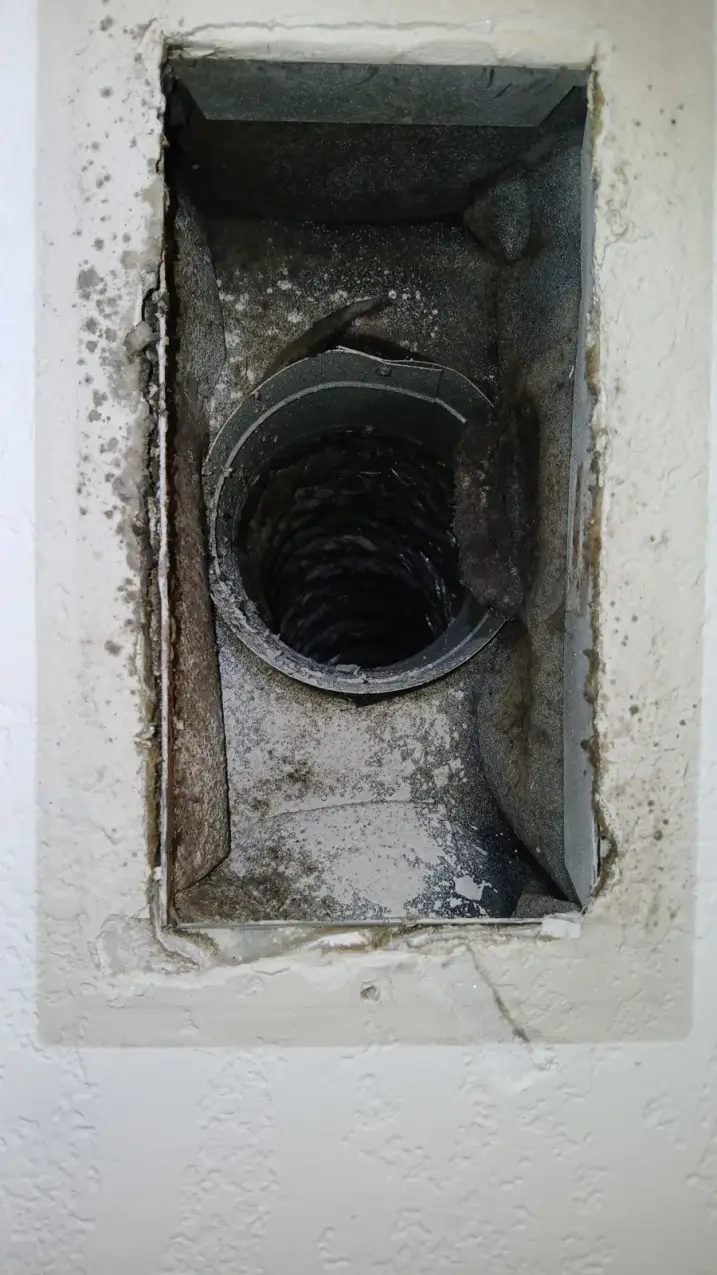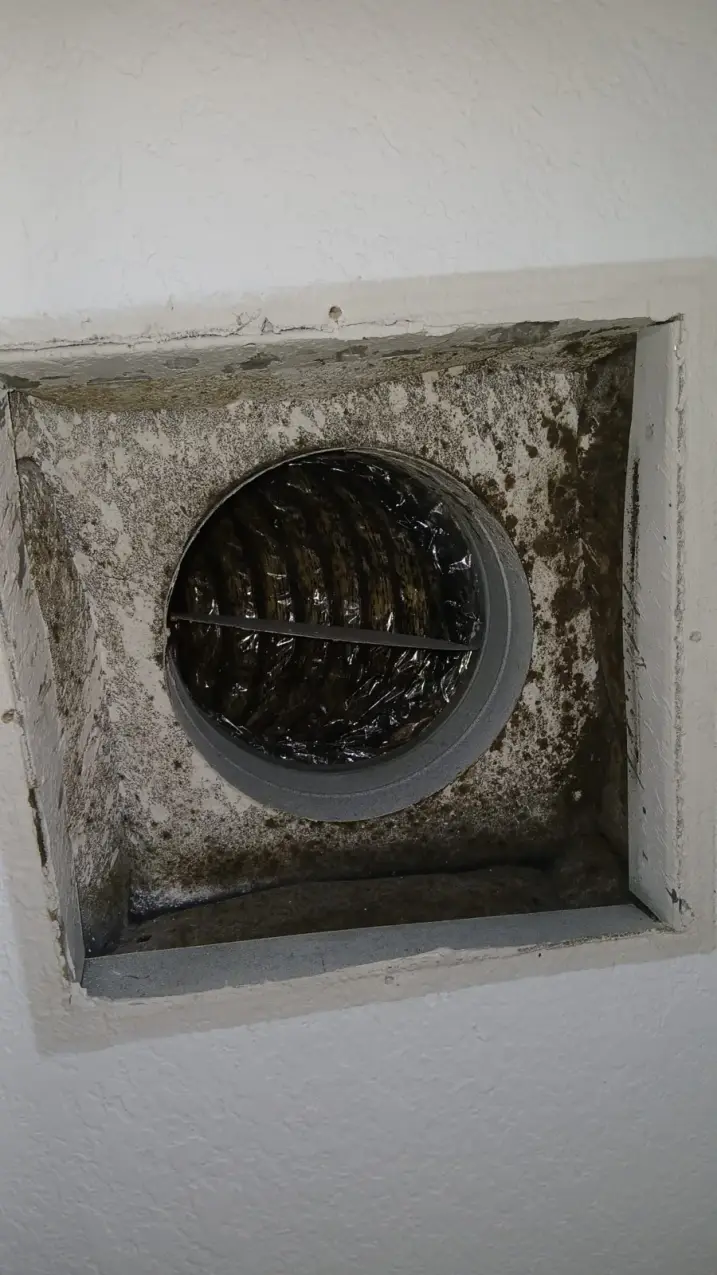


Air duct leaks in older homes often start with age. Metal joints loosen, tape dries out, insulation breaks down, and old repair spots give up over time. Small gaps can let cooled or heated air escape into attics, walls, and crawl spaces, which makes rooms feel uneven and your system work harder. It is a slow leak problem, a bit like trying to fill a bucket with a crack in the bottom.

Why older homes deal with more duct leaks
Older homes have charm. They also have quirks. A house can look solid from the driveway, then hide tired ductwork above the ceiling or under the floor.
Many older duct systems were built with materials and seal methods that do not age well. Years of heating and cooling make ducts expand and shrink. That constant movement can loosen joints. Add dust, attic heat, and moisture, and those weak spots grow.
If your home has rooms that feel too hot, too cold, or stuffy, duct leaks may be part of the problem. You may also notice weak airflow from some vents. Your HVAC system might run longer than it should. That is your house waving a little red flag.
Aging materials wear out over time
This is a big reason for duct leaks in older homes. Ductwork is not made of magic. Metal can rust. Flexible ducts can sag or tear. Old tape can dry out and peel away.
In many older systems, the joints were sealed with duct tape. Funny name, right? Real talk, regular duct tape often fails on ducts over time. Heat dries the glue. The tape curls up. Then air starts slipping out through the gaps.
Rubber seals and mastic can also crack with age. Once that happens, every heating and cooling cycle pushes air through those tiny openings. Tiny openings become bigger ones. It is the old snowball rolling downhill story.
Aging duct insulation can cause trouble too. When insulation falls apart, ducts face more heat in summer and more chill in winter. That can make comfort worse and may add moisture issues in humid weather. Learn more about Air Duct Maintenance, Air Duct Repair, and Duct Leakage Testing.
Weak sealing at joints and connections
Duct systems have many connection points. Each bend, branch, and vent link is a chance for air to escape if the seal is weak.
Older homes often have joints that were never sealed very well to start with. Years later, those weak seals get worse. The result is lost airflow before air even reaches the room you want to cool or heat.
Common leak spots include:
- Connections near the air handler
- Branch lines that feed single rooms
- Elbows and turns in attic ducts
- Register boots where ducts meet vents
- Seams in older sheet metal ducts
When air leaks out at these spots, your system has to push harder. That can mean more strain on parts and less comfort for you. It is like blowing through a straw with a hole in the side. You are still blowing, but not where you need it. For related service options, see Air Duct Testing, Duct Balancing, and Air Duct Installation.
Old patch jobs that no longer hold
A lot of older homes have had a repair here and there. Maybe a past owner noticed weak airflow and wrapped a section with tape. Maybe a handyman sealed a gap in a hurry before selling the house. Maybe someone said, “That should hold,” and then walked off into the sunset.
Patch jobs are not always bad. Some repairs last. But quick fixes often fail with time.
You may see:
- Layers of old tape over older tape
- Loose patches around torn flex duct
- Sealant that has dried and cracked
- Repaired sections pulling apart at the edges
These old repairs can hide the real issue. A duct may look fixed from the outside, yet still leak around the sides or underneath the patch. That is why leaks can keep hurting airflow even when the system looks “fine.”
Damage from past home projects
Home updates can be rough on ductwork. A remodeling job may not target the ducts, but the ducts can still get bumped, cut, crushed, or shifted.
Common trouble after past projects includes:
- A worker steps on attic ducting
- A new light or wire gets run through a duct path
- Flooring work shifts a floor vent connection
- A wall change leaves a register boot loose
- Storage boxes in the attic press down on flex ducts
A crushed duct can cut airflow fast. A disconnected duct can dump cooled air into the attic instead of your room. A small puncture can leak air little by little for years without anyone noticing.
This happens more than people think. A house can go through several owners and several projects. The duct system ends up like an old pickup with a few mystery dents. You can also explore Air Duct Replacement and Air Duct Cleaning if older duct sections need attention.
Poor support and sagging flexible ducts
Many older homes have flexible ducts added later or used in repairs. Flex ducts can work well when installed right. When they sag, twist, or hang too low, airflow drops.
A sagging duct creates extra resistance. Air has to fight through bends and low spots. If the outer jacket gets damaged, leaks can start there too. Over time, straps loosen, supports fail, and the duct shape gets worse.
This is common in attics where heat is hard on materials. Houston attics can get very hot, and that heat speeds up wear on duct jackets, tape, and supports.
Rust, corrosion, and moisture trouble
Metal ducts can last a long time, but moisture is no friend. In older homes, rust can form around joints, seams, or low spots where condensation has shown up over the years.
Humidity matters here. When warm, moist air meets a cool duct surface, condensation can form. If insulation is poor or damaged, that risk climbs. Water can weaken seals, rust metal, and stain nearby building materials.
Houston weather does not play around. Heat and humidity put extra stress on attic ducts, crawl space ducts, and vent boots. After heavy rain, moisture can also creep into areas where ducts already have weak insulation or poor sealing.
A short safety note, if you see rust, water stains, or wet insulation near ducts, get it checked. Moisture can lead to more than airflow trouble. For background information, see EPA Indoor Air Quality.
Rodents, pests, and simple wear
Older homes can have gaps where pests sneak in. Rodents may chew duct insulation or damage flexible duct sections. Even without pests, simple wear from time, movement, and vibration can create splits and loose joints.
Every time the system turns on, ducts move a little. That movement adds up over the years. Screws loosen. Hangers shift. Seals fail. It is not dramatic. It is just steady wear, like the soles of work boots after a lot of miles.
How duct leaks slowly hurt airflow and comfort
Leaks often start small. That is why people miss them. Then comfort gets worse room by room.
Here is what happens:
| Problem | What it does in the home |
|---|---|
| Air escapes before reaching vents | Rooms get less cooled or heated air |
| Pressure drops in the system | Some vents blow weakly |
| HVAC runs longer | Energy use rises and parts work harder |
| Attic or crawl space air gets pulled in | Dust, humidity, and comfort issues can grow |
| Uneven airflow | One room feels fine, the next feels like a sauna |
A leaky duct system can also make temperature swings worse. You set the thermostat and wait. One room turns cool, another stays warm, and someone in the house says, “Is this vent just for decoration?” Not funny when you are trying to sleep.
What we usually see in Houston, TX
In Houston, older homes near areas like The Heights and Meyerland often have attic duct issues tied to heat, age, and past updates. We also see trouble in ranch-style homes and older brick houses where branch ducts have loose connections or old tape repairs.
Summer heat is a major factor. Attics get hot, seals dry out faster, and cooling loss becomes more obvious. Humidity can also make weak insulation and moisture trouble show up faster than many owners expect.
Clues that point to a leak
You do not need x-ray vision to spot hints. A few signs can point you in the right direction.
Watch for:
- Uneven room temperatures
- Weak airflow from one or more vents
- Higher utility bills without a clear reason
- Whistling or rattling near vents or ducts
- Dustier rooms than usual
- Hot or cold spots that never seem to go away
If your upstairs rooms feel warmer than the rest of the house, duct leaks in the attic may be part of it. If one room barely gets airflow, a branch duct may be loose, crushed, or torn.
A simple way to think through the problem
- If one room has weak airflow, then check that room’s vent and the duct branch feeding it.
- If several rooms feel uneven, then the main trunk or multiple joints may be leaking.
- If airflow got worse after a remodel, then look for crushed, moved, or disconnected ducts.
- If your attic is hot and dusty and the system runs a lot, then attic duct leaks may be wasting cooled air.
- If you see old tape patches, then those repair spots may need a closer look.
- If you notice water stains near ducts, then moisture and insulation trouble may be part of the issue.
Quick truth checks
Myth, old duct tape is the best fix for ducts.
Fact, many tape products dry out and fail with attic heat and age.
Myth, if air still comes out of the vent, the ducts are fine.
Fact, air can still come out while a lot of it leaks before it gets there.
Myth, only very old metal ducts leak.
Fact, flex ducts can leak too, especially when torn, crushed, or poorly supported.
Myth, uneven rooms always mean the HVAC unit is too small.
Fact, duct leaks and airflow loss are common reasons for hot and cold spots.
A simple care plan
A little routine care can help catch trouble early.
Weekly
- Notice any room that feels off
- Listen for new vent noises
- Check that vents are open and not blocked by rugs or furniture
Monthly
- Check and replace the HVAC filter if needed
- Look for dust buildup around vents
- Peek into the attic, if safe, for crushed or loose ducts
Yearly
- Have the duct system looked over
- Check seals, insulation, and duct support straps
- Inspect after any remodel, roof work, or electrical project near ducts
This plan is simple on purpose. You do not need a ten-page binder. You just need steady habits. You can schedule help through Contact Us or review Dryer Vent Maintenance and Dryer Vent Cleaning if your home also needs dryer vent service.
Why weather makes old duct problems worse
Heat makes materials expand. Cool air inside ducts creates temperature differences. Humidity adds moisture risk. Rain can raise attic or crawl space moisture if a home already has weak spots.
During Houston summers, cooled air moving through hot attic ducts faces a tough job. If ducts leak, that cooled air escapes into a space that can feel like an oven. In cooler months, leaks can still waste heated air and leave rooms chilly.
Weather does not create every leak, but it can speed up the damage and make comfort problems easier to notice. For more general reference, see Air duct.
When to take a closer look
A small leak can turn into a bigger comfort issue over time. If airflow feels weak, rooms stay uneven, or your system seems to run too long, it may be time to have the ductwork checked.
This is not about panic. It is about fixing what is worn out before the problem keeps stealing comfort from your home.
FAQs
What causes air duct leaks in older homes most often?
Age is the main cause. Seals dry out, tape fails, joints loosen, and old materials wear down. Past repairs and remodel damage also show up often.
Can duct leaks make one room hotter than the rest?
Yes. If the branch duct to that room has a gap, tear, or loose connection, less cooled air reaches the vent. That room can feel warmer even when the system runs a lot.
Are duct leaks common in attic systems?
Yes. Attics put a lot of stress on ducts. Heat, dust, and foot traffic during home projects can all damage seals and flexible duct sections.
How do I know if old duct tape is failing?
Look for tape that is peeling, brittle, cracked, or hanging loose. You may also notice weak airflow or dust near duct joints.
Can a remodel cause duct leaks?
Yes. Ducts can get stepped on, moved, cut, or disconnected during other work. Even a small shift can create a gap that hurts airflow.
Do duct leaks affect indoor comfort only in summer?
No. They can hurt comfort year-round. In summer, cooled air escapes. In cooler weather, heated air escapes. Either way, rooms can feel uneven.
Is a small duct leak a safety issue?
Usually the first issue is comfort and wasted airflow. If you notice moisture, rust, or damaged insulation, get it checked soon. Those signs can point to added problems.
Should older ducts always be replaced?
Not always. Some systems only need sealing, support fixes, or repair to damaged sections. The best choice depends on the duct condition.
If your home has airflow trouble, uneven rooms, or old ductwork that may be leaking, Lone Star Air Duct Cleaning Services can help inspect, clean, and service your air ducts and dryer vents in Houston, TX. A healthier duct system can help air move better, improve comfort, and cut down on wasted heating and cooling. Call (832) 430-1849 or visit https://lonestarairductcleaningservices.com/ to get started.