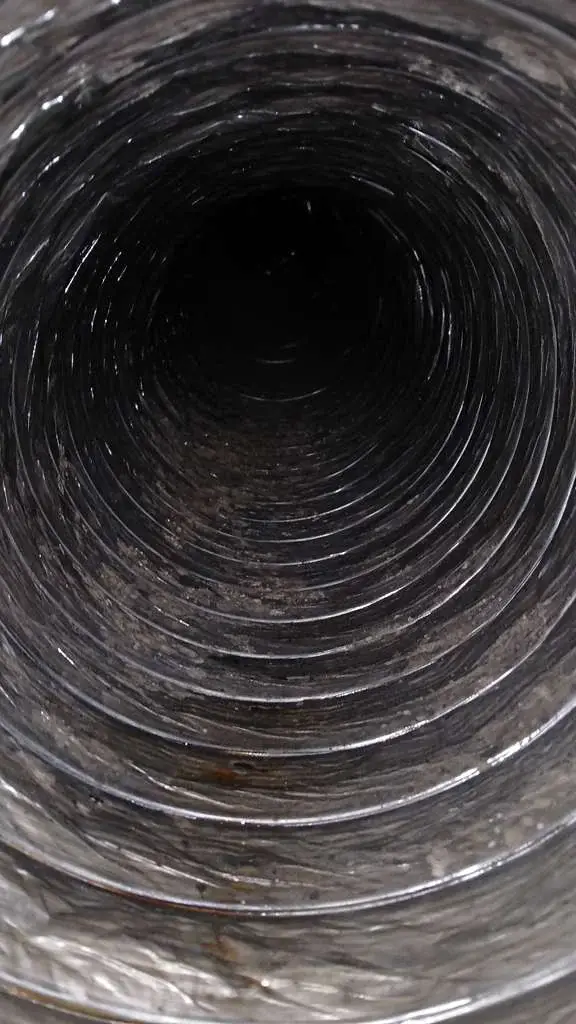

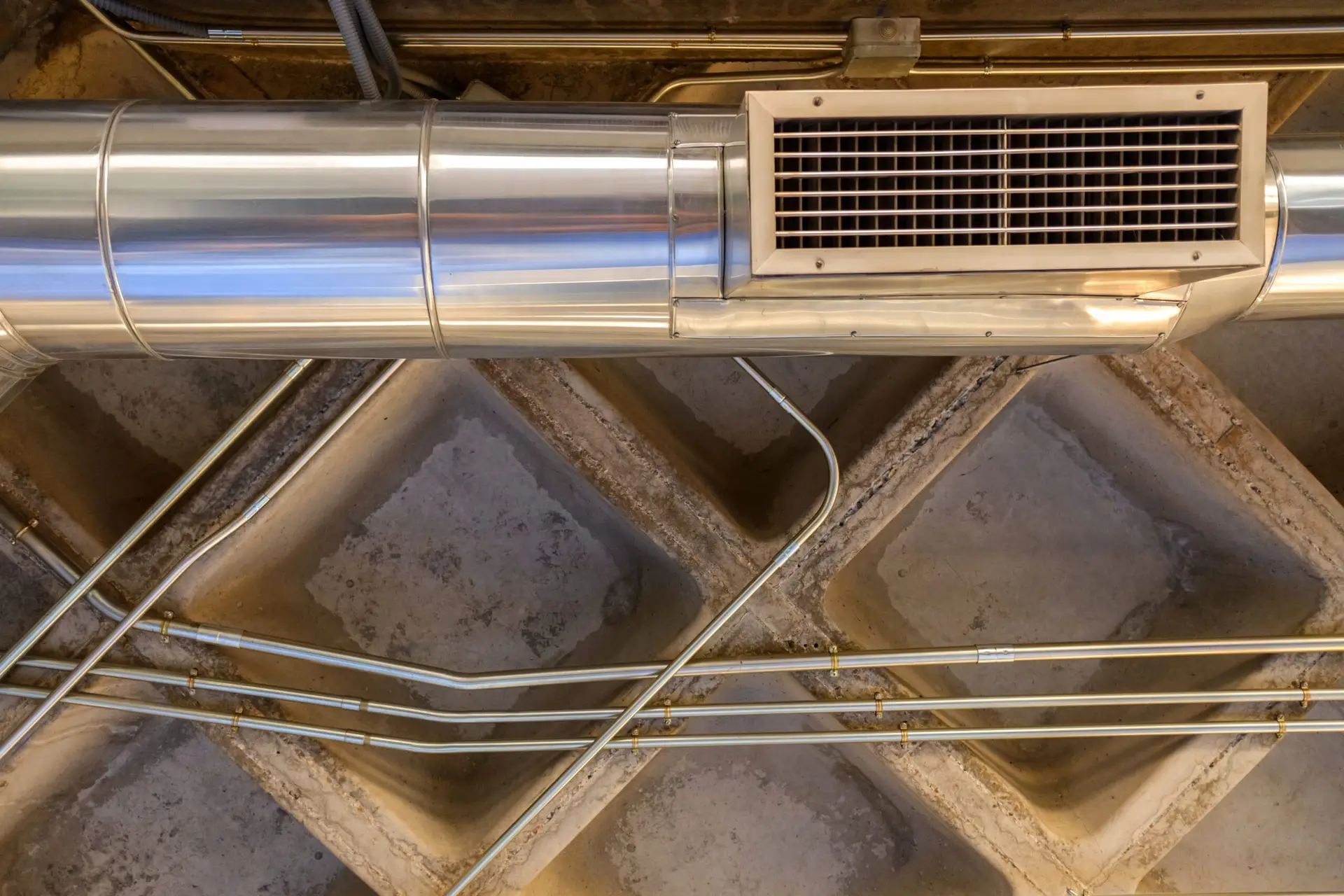
If your vents make weird noises, your rooms never feel quite right, and dust comes back faster than you can grab the vacuum, your air ducts might need repair, not just cleaning. Rattling, weak airflow, musty smells, and heavy dust can point to damaged ductwork that wastes energy and hurts air quality. Let’s break down what to watch for and what to do.
Cleaning vs repair: what is the real difference?
Cleaning removes dust, lint, and light debris.
Repair fixes broken or leaking duct parts.
Think of it like your truck. A wash makes it look nice. A repair keeps it running. If the engine is shot, a car wash will not help. Same idea with your duct system.
Your air ducts may need repair when:
- Air leaks out through gaps or holes
- Sections of ductwork are crushed or disconnected
- Joints are loose or hanging
- Mold has grown into the material
- Insulation around ducts is torn or missing
Cleaning will not fix any of that. You can vacuum those ducts all day, and the same comfort problems will stay.
Why damaged ductwork is a bigger deal than dust
When ducts are damaged, three main things happen:
- Comfort drops
Rooms stay too hot or too cold. Some areas of your home feel like a freezer while others feel like a sauna. - Bills creep up
Your AC or furnace has to work harder to push air through leaks and broken joints. More run time means more energy use. - Air quality gets worse
Gaps in ducts can pull dirty attic air, insulation fibers, or garage fumes into your breathing air. That dust you see on your TV stand has to come from somewhere.
In humid Houston weather, damaged ducts can also pull in moist air from the attic. Warm, wet air plus cool metal ducts is a great setup for condensation and mold growth. That is when musty smells start to show up.
Warning sign 1: rattling, banging, and weird noises
A little sound when the air kicks on can be normal. Metal moves when it heats and cools. But if your ducts sound like a rock band practicing in the attic, that is trouble.
Common noise clues:
- Rattling or buzzing near vents or in the ceiling
- Metal clanking when the system starts or stops
- Whistling around vents or along walls
- Fluttering sounds like paper flapping
What these can mean:
- Loose or broken duct sections
- Unsecured joints or hangers
- Gaps where air escapes
- Flexible ducts kinked or crushed
Quick story. A homeowner in Katy called saying, “My AC sounds like someone is kicking a soda can down the attic.” Turned out an old duct joint had worked loose and was bouncing each time the blower started. Cleaning that duct would not have changed a thing. Securing and sealing it did.
If noise seems new, louder, or worse than last season, that is a big hint your ducts need repair, not just a dusting.
Warning sign 2: weak airflow or uneven rooms
You set the thermostat to 72, but the bedroom still feels like 80. Or your living room is fine, yet the room over the garage feels like the Sahara. Weak or uneven airflow is a classic signal of damaged ductwork.
Clues around the house:
- Some vents blow strong, others barely move air
- Air feels hot from one supply vent and cooler from another
- You keep bumping the thermostat, but comfort never settles
- A room over the garage or near the attic is always hotter or colder
Common causes connected to repair, not cleaning:
- Disconnected sections that spill air into the attic
- Crushed duct runs from someone stepping on flexible duct
- Kinks in flexible ducts from storage boxes or old repairs
- Ducts that are too small for the run they serve
- Damaged internal lining on older ducts
Cleaning can help a little if dust is thick, like after a remodel. But dust alone rarely cuts airflow that much. When the air from a vent feels more like a sigh than a breeze, it is time to check for damage.
Warning sign 3: heavy dust that comes right back
You dust on Saturday, and by Monday, it looks like you never touched a thing. That gets old fast.
Dust can mean your ducts need a solid cleaning. But heavy, constant dust can also point to leaks and damage.
Signs of a repair problem:
- Dust streaks or gray lines around vent edges
- Dark lines along baseboards or around doors (air leaks)
- Insulation fibers or strange particles on furniture
- Visible dust blowing out when the air kicks on
When ducts leak in the attic or crawl space, the return side can pull dirty air, insulation, and tiny debris into your system. Then that mix rides the airflow right into your rooms.
Cleaning alone might remove the current debris, but if leaks remain, the dust storm will return. Think of it like sweeping a shop floor while the door stays open in a sandstorm.
Warning sign 4: musty odors, moldy smells, or “wet dog” scent
A faint dusty smell the first time you turn on the heat can be normal. That is just burning off a bit of settled dust. But a steady musty, moldy, or “wet dog” smell is different.
Common odor clues:
- Musty scent that gets stronger when the AC or heat runs
- Smell strongest near certain vents or rooms
- Sweet or sour odor that lingers
- Odor worse after heavy rain or humid days
What can cause this inside ductwork:
- Moisture getting in through gaps or poor insulation
- Condensation from cold ducts in damp attics
- Past water leaks that were never dried
- Mold growth on duct lining or insulation
In Houston, humidity is a daily guest. In older homes in areas like Spring Branch or older parts of Pasadena, we often see ducts with thin or torn insulation. Cold air inside, hot wet air outside, and now the ducts sweat like a cold drink in August. That moisture plus dust makes a mold playground.
Cleaning can help if surface mold is light and caught early. But if the material itself is damaged, soaked, or moldy, sections of duct might need repair or replacement.
Warning sign 5: high energy bills with no clear reason
If your use stays about the same, but your energy bill creeps higher month after month, your ductwork might be leaking cooled or heated air.
Signs the ducts are the guilty party:
- System runs longer cycles than last year
- House still feels sticky or stuffy
- You keep dropping the thermostat lower than before
- The outdoor unit seems to run constantly on hot days
When ducts leak into the attic, a chunk of your paid-for air never reaches your rooms. It is like running your truck with the tailgate down and a hole in the gas tank. The blower works its tail off, the unit ages faster, and comfort is still off.
Cleaning helps your system breathe, but it does not stop leaks. Repair work like sealing joints, fixing crushed areas, and reconnecting loose runs is what cuts wasted air.
Warning sign 6: visible damage, rust, or loose ducts
Sometimes the clues are right in front of you. If you can pop your head into the attic or look at exposed ducts in a garage or mechanical closet, do a quick eyeball check.
Things to watch for:
- Duct sections hanging low or resting on wires
- Duct tape peeling off old repairs
- Rust on metal ducts or air handler connections
- Torn or missing outer insulation on flexible ducts
- Crushed or flattened ducts under boxes or stored items
- Big gaps around where ducts connect to the main trunk
If you see anything that looks like a “temporary fix” from ten years ago, that probably needs attention. Duct tape is great for a lot of things. Long term duct sealing is not one of them.
What we usually see in Houston, TX homes
In the Houston area, including neighborhoods near I-45, Beltway 8, and around Cypress and Sugar Land, we often find:
- Flexible ducts sagging between attic trusses
- Old metal ducts with rusted seams from years of humidity
- Attic ducts run across hot roof lines with little insulation
- Joints sealed long ago with dried out gray tape, now peeling
Our hot summers and thick humidity make any small duct problem grow faster. A little gap in a dry climate might stay “just a gap” for years. In Houston, that same gap can pull in wet air, raise indoor humidity, and start mold or mildew on insulation.
Rainy spells do not help either. Damp attics plus cold AC ducts equal more condensation risk. So when Houston weather swings from steamy to stormy, your ductwork takes a beating.
Quick troubleshooting: is it cleaning or repair?
Use this simple guide when you notice a problem:
- If vents blow air but dust puffs out, and there is no noise or odor
- Likely: cleaning first
- If air is weak in just one room, and that room is far from the unit
- Possible: kinked or crushed duct, repair check
- If airflow is weak in many rooms, and no filters are blocked
- Possible: leaks or disconnected ducts, repair check
- If you hear rattling, banging, or whistling from ceilings or vents
- Likely: loose joints or leaking spots, repair check
- If musty or moldy smells get stronger when the AC runs
- Possible: moisture damage, cleaning plus possible repair
- If dust comes back fast and you see dark streaks around vents
- Possible: duct leaks pulling dirty air, repair check
- If bills rise but comfort drops, without new appliances or big changes
- Likely: leakage or damaged ducts, repair check
When in doubt, do not assume cleaning alone will solve it. You can clean a broken duct, but it will still be broken.
Common myths and facts about air ducts
Myth 1: “If I clean my ducts once, I never have to worry again.”
Fact: Dust returns, and joints age. You still need regular filter changes and quick checks for leaks or damage.
Myth 2: “Noise from vents just means my system is strong.”
Fact: Some airflow sound is normal. Loud rattles, banging, or whistling can mean loose ducts or air leaks that waste energy.
Myth 3: “If my filter is clean, my ducts must be fine.”
Fact: A clean filter helps, but ducts can still leak, sag, rust, or grow mold where you cannot see it.
Myth 4: “I can fix duct problems with a roll of tape and a free weekend.”
Fact: Quick fixes can help in some cases, but wrong tape, bad sealing, or poor support can cause more leaks and comfort problems later.
Simple care schedule for your ducts and system
You do not have to become an HVAC tech. A few small habits keep things in better shape.
Weekly
- Check vents in main rooms. Make sure they are open and not blocked by rugs, furniture, or boxes.
- Listen when the system starts. Any new rattles, bangs, or squeals are worth noting.
Monthly
- Change or clean the furnace or air handler filter, more often if you have pets or allergies.
- Take a look at visible ducts in the garage or closet. Look for new sagging or loose tape.
- Wipe vent covers and returns to cut dust build up on grilles.
Yearly
- Have a pro inspect the full duct system, especially if you live in an older Houston home or run your AC most of the year.
- Ask for a check of connections at the air handler in the attic or closet, since those take a lot of stress.
- If you see or smell signs of mold or heavy dirt, schedule duct cleaning and ask the tech to check for damage while they clean.
If you notice sudden changes, like fast rising bills or rooms that stop getting air, do not wait for the yearly visit. Early repair can keep a small gap from turning into a full duct replacement.
Safety notes: when to call for help fast
Most duct problems are comfort and cost issues, not emergencies. Still, a few signs call for quick help:
- Strong burning or electrical smells when the system runs
- Visible sparks or burnt areas near duct connections or the air handler
- Very strong mold smell near vents, especially with visible growth
- Signs that ducts might be pulling in car exhaust from a garage
If you suspect anything tied to smoke, fire, or serious mold, shut the system off and call a pro. Breathing clean air matters more than staying a bit cooler for a few hours.
How heat and humidity team up against your ducts
Houston weather is like a training camp for your duct system.
- High heat: Attics can reach well over 120°F. Flex ducts that sag or rest on sharp edges can weaken faster. Tape dries out and cracks.
- Heavy humidity: Moist air around cold ducts leads to condensation. That moisture stains insulation and can invite mold growth.
- Storms and pressure changes: High winds can shift attic insulation or create small movement in poorly supported ducts, which can loosen old joints.
This mix means even newer duct systems can need repair sooner than folks expect. Regular checks help spot small problems before “tiny drip” turns into “musty smell in half the house.”
When cleaning comes first, and when repair should lead
Here is a helpful way to think about it.
Cleaning first usually makes sense when:
- You just finished a remodel or major dusty project
- You moved into a home and vents look grimy
- Dust is the main complaint, no weird smells or noises
- You see light debris inside vents, but ducts look solid and supported
Repair first, or repair plus cleaning, makes more sense when:
- Comfort is off across several rooms
- Airflow is weak or uneven with normal filters
- You hear loud rattles, bangs, or whistling
- Musty or moldy odors show up with the system running
- You spot sagging, crushed, or rusted duct sections
Plenty of homes in Houston need both. Repair stops the leaks and fixes the structure. Cleaning removes built up dust, lint, and some surface mold. Together, that gives you better airflow, better air quality, and less strain on your system.
FAQs
How often should air ducts be cleaned in Houston?
Most homes do well with a cleaning every 3 to 5 years, if filters are changed on time. Homes with pets, smokers, or past water damage may need cleaning a bit sooner. If you see heavy dust, smell musty odors, or notice debris at vents, it is time for an inspection.
How can I tell if my ducts are leaking?
Common signs include uneven comfort, weak airflow, high energy bills, dust streaks around vents, or whistling sounds near duct runs. Sometimes a pro will use special tools or tests to spot leaks that are hard to see in the attic.
Are musty smells from vents dangerous?
A mild musty smell is usually a sign of moisture and possible mold. That is not something to ignore, especially for people with allergies or asthma. A pro can check ducts and nearby areas to see if the odor comes from the ductwork, insulation, or another source.
Can dirty ducts damage my AC or furnace?
Very dirty ducts and filters can restrict airflow, which strains the blower motor and can make coils run colder than they should. Over time that can lead to higher wear and more repairs. Clean ducts and regular filter changes help the entire system run smoother.
Is it safe to go into the attic and inspect ducts myself?
If you are steady on your feet and know how to walk only on joists or decking, you can take a quick look. Wear a mask, use good lighting, and avoid stepping on drywall between joists. If you see serious damage, mold, or anything that looks unsafe, back out and call a pro.
How long does air duct repair usually take?
Time depends on what is wrong. A simple disconnected joint can be fixed fairly quickly. A whole attic of sagging or damaged ducts takes longer. During an inspection, a tech can explain what they see and about how much work is involved, without you needing to guess.
Can I use any tape to seal my ducts?
Regular cloth duct tape is not meant for long term duct sealing. It dries out and peels. Pros use special mastic, foil tape, or other rated products made to handle heat, cold, and humidity. Using the wrong tape can lead to leaks coming back soon.
Do newer homes in Houston still get duct problems?
Yes. Even newer homes can have kinks in flex ducts, weak support, or rushed install work. Plus, Houston heat and humidity can age materials faster than in cooler climates. A quick pro check every few years helps catch early problems.
Get help from Lone Star Air Duct Cleaning Services
If you live in Houston or nearby and your vents are noisy, your rooms never feel quite right, or that musty smell just will not leave, Lone Star Air Duct Cleaning Services can help sort out whether you need air duct cleaning, repair, or both. Our team works on homes across the Houston area, checking for leaks, damage, dust, and odor sources so your system can run cleaner and more comfortable again. Call (832) 430-1849 or visit https://lonestarairductcleaningservices.com/ to schedule a visit and give your ducts the attention they actually need.