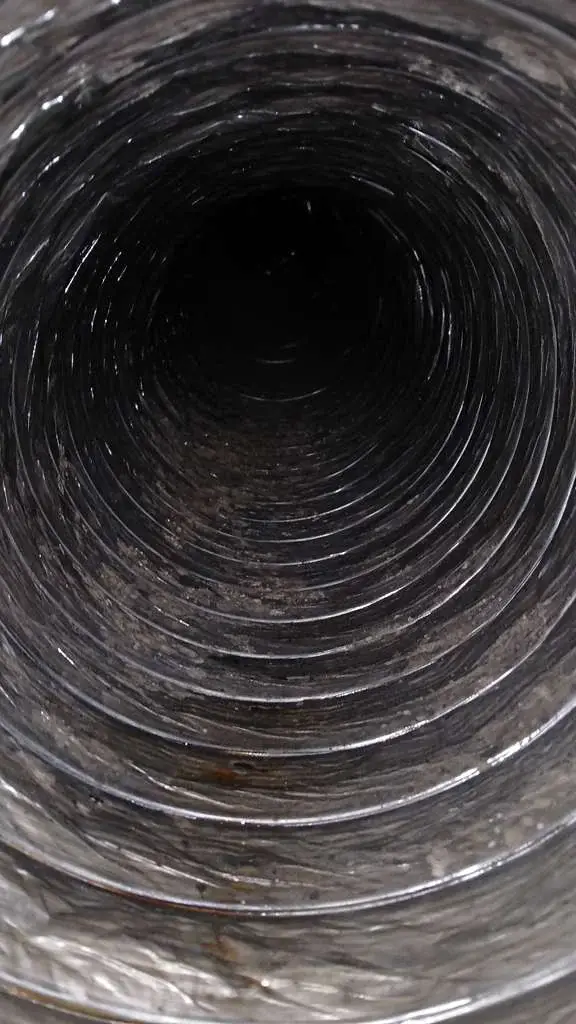


Your dryer takes longer to dry clothes now because it cannot move air like it used to. Most of the time, lint builds up in the vent line or the outside vent hood and slows airflow. When hot, wet air gets stuck, clothes stay damp, cycles get longer, energy use goes up, and the dryer has to work harder. The good news is you can spot the warning signs and fix many causes fast. If you need help in Houston, TX, Dryer Vent Cleaning can restore airflow, and you can also use Contact Us to schedule service.

What “normal drying” is supposed to look like
A dryer is like a big hair dryer for your jeans. It heats air, blows it through the drum, and pushes wet air out through the vent. When that airflow is strong, clothes dry in a steady, predictable time.
When airflow drops, the dryer turns into a guy trying to drink a milkshake through a tiny straw. It still tries, but it takes longer, and it gets worn out doing it.
A few clues that drying is no longer normal:
- Towels need two cycles.
- Clothes feel hot but still damp.
- The laundry room feels warm and sticky.
- The dryer runs and runs, like it is training for a marathon no one asked for.
The main culprit, lint buildup in the vent line and hood
Lint is sneaky. You see some in the lint screen, but a lot slips past. That lint sticks to the vent pipe walls. It also packs into elbows and low spots in the run.
Outside, the vent hood can clog too. Bird nests, leaves, and roof grit can get caught there. Even the little flap on the hood can stick shut.
When the vent is restricted:
- Moist air stays trapped.
- The dryer cannot dump heat at the right rate.
- The machine may run longer to reach its sensor target.
- Parts wear faster, like the blower wheel, belt, and rollers.
A short safety note: lint is very flammable. A clogged vent is not a “panic today” moment, but it is a real fire risk over time. Treat slow drying like a warning light, not a decoration. For more general background on lint, see https://en.wikipedia.org/wiki/Lint.
Why longer dry times waste energy and beat up your dryer
A dryer is built to move a certain amount of air. When airflow is blocked, it does extra work for the same result.
That leads to:
- More electricity or gas used per load
- More heat staying inside the cabinet
- Longer run time on the motor and drum parts
- More wear on sensors and thermostats
Think of it like driving with the parking brake half on. You can still move, but you are burning fuel and grinding parts.
Other common causes that look like vent trouble
Vent clogs are the top issue, but a few other problems can act the same. If you fix lint and still see long cycles, check these too. If you want a professional inspection to confirm what is happening with airflow, Dryer Vent Maintenance and Dryer Vent Repair can help address restrictions and connection issues.
Lint screen and lint chute problems
If the lint screen is coated with waxy film from dryer sheets, air cannot pass through well. It looks clean, yet it acts clogged.
Quick check: run water over the screen. If water pools instead of flowing through, it needs a scrub with dish soap and a soft brush.
Also, lint can fall into the chute where the screen sits. That can narrow the path before air even reaches the vent.
Crushed or kinked flex duct behind the dryer
Many dryers sit close to the wall. The vent hose gets pinched like a garden hose under a tire.
Signs:
- Drying was fine until the dryer got pushed back
- You hear the hose thump or scrape when the dryer runs
- The run time changes after you clean behind the unit
Too many bends or a long vent run
Every elbow adds resistance. Long runs add more. Some homes, condos, and townhomes have vent paths that snake through walls or up to a roof cap.
If your vent is long or has multiple turns, small lint buildup makes a big difference.
Outside hood flap stuck or blocked
The flap should open wide when the dryer runs. If it barely moves, airflow is weak.
Common blockers: lint, paint, corrosion, or a screen mesh that traps fuzz. Some hoods have a screen that seems helpful. It catches lint like a net, then clogs like a net too.
Sensor and load issues
Modern dryers use moisture sensors. If they get coated with residue, they may misread dryness.
Also, mixed loads can fool the system. Heavy jeans with light shirts can leave the shirts dry and the jeans damp. That is not a vent issue, it is a load balance issue.
A simple airflow test you can do in two minutes
You do not need a lab coat. You need your eyes and maybe a phone timer.
- 1) Start the dryer on a heat cycle.
- 2) Go outside to the vent hood.
- 3) Feel for a strong, steady warm airflow.
- 4) Watch the flap. It should open well, not barely twitch.
If the airflow is weak, you likely have a restriction in the vent line, hood, or both.
Safety note: do not put your hand into the hood where sharp edges may be present. Just feel the air coming out.
Troubleshooting steps that keep it simple
Use this quick “if this, then that” list to narrow it down without guessing. If a damaged connection or crushed ducting is involved, Dryer Vent Installation or Dryer Vent Repair may apply.
- If clothes are hot but damp, then check vent airflow at the outside hood.
- If airflow outside is weak, then check for a blocked hood flap or visible lint at the outlet.
- If the hood looks clear but airflow is still weak, then the vent line inside the home may be clogged.
- If the dryer suddenly got slower after moving it, then check for a crushed or kinked vent hose.
- If the lint screen looks clean but water pools on it, then wash it with dish soap and scrub gently.
- If drying times are only bad with big loads, then run smaller loads and separate heavy items.
- If you smell musty air in the laundry area, then check for leaks or disconnected ducting.
- If the dryer shuts off early and clothes are damp, then wipe moisture sensors and re-test with a normal load.
If you find a disconnected vent line, stop using the dryer until it is fixed. That dumps hot, wet air and lint into the home.
What we usually see in Houston, TX
Homes around Houston often deal with two things, humidity and quick-growing outdoor debris. Both can make dryer vent problems show up faster. If you want a full-path cleaning to address buildup, Dryer Vent Cleaning is designed for this, and you can use Contact Us to set an appointment.
Here are common finds:
- Lint cakes in the vent line after months of heavy laundry
- Outside hoods clogged by damp lint that turns into a felt pad
- Pest nests near the outlet, more common near fences and shrub lines
- Flex duct that is crushed behind the dryer in tight laundry closets
In neighborhoods with older homes and remodels, the vent path can be longer than expected. You might see this in places like Spring Branch, or in townhomes near Westheimer where laundry spaces are tight and vent routing gets creative.
Houston weather makes slow drying show up sooner
Houston humidity is not shy. When the air outside is already heavy with moisture, your dryer has a harder job pushing wet air out. That does not mean humidity causes the clog, but it can make the symptoms show up sooner.
Rainy weeks can also matter. If the outside vent hood sits low and gets hit by splash-back, damp lint can cling to the outlet. Damp lint is like wet paper towel. It sticks, it clumps, and it builds faster.
Hot summers add another twist. Higher attic temps can warm vent runs that pass through attic spaces. That can soften lint and help it stick to the duct wall. It is not magic, it is just sticky fuzz meeting heat.
Common myths and facts people get wrong
Myth: “My lint screen catches it all.”
Fact: Lint still gets past the screen, and it builds up in the vent line over time.
Myth: “If the dryer heats, the vent is fine.”
Fact: A dryer can heat great and still dry slow if airflow is weak.
Myth: “The outside hood screen keeps pests out, so it is better.”
Fact: Many screens trap lint fast and become a clog point. A proper hood with a working flap is often safer for airflow.
Myth: “Longer dry time is just an old dryer.”
Fact: Age matters, but vents cause slow drying in newer dryers too, especially after a move or remodel.
A simple care schedule that keeps drying times steady
You do not need a complicated routine. You need a few small habits that keep air moving. For ongoing help, Dryer Vent Maintenance can support a steady schedule, and Dryer Vent Cleaning can address buildup.
Weekly
- Clean the lint screen every load, yes every load.
- Wipe off any visible fuzz around the screen slot.
Monthly
- Wash the lint screen with dish soap and warm water to remove residue.
- Check the outside vent hood for strong airflow during a cycle.
- Look behind the dryer for kinks, if the space allows.
Yearly
- Have the full dryer vent line inspected and cleaned, especially if your run is long or has bends.
- Check that the vent line is solid metal where possible and properly connected.
- Replace crushed or torn flex duct if present.
If you do lots of laundry, have pets, or dry heavy blankets often, you may need cleaning more often than once a year.
When slow drying means you should stop and check now
A dryer that runs long is annoying. A dryer that shows these signs needs attention sooner.
Watch for:
- Burning smell, even mild
- Dryer cabinet or laundry room getting extra hot
- Lint visible around the dryer or vent connections
- Vent hood flap not opening during a run
- Moisture building up on walls or windows near the laundry area
These signs do not mean disaster is certain. They mean airflow is not right, and the system needs a check. For additional fire-safety information, see https://www.usfa.fema.gov/prevention/home-fires/prevent-fires/dryer/.
Why professional dryer vent cleaning helps
A good cleaning clears lint from the full vent path, not just the first few feet. That matters because most clogs form in elbows, transitions, and longer runs.
Benefits homeowners often notice after cleaning:
- Shorter dry times
- Less heat and humidity in the laundry area
- Lower energy use per load
- Less strain on the dryer
It is like clearing a clogged nose. Breathing gets easier, and everything works better.
FAQs
Why is my dryer taking two cycles to dry towels?
Towels hold a lot of water, so they show airflow problems first. A clogged vent line or blocked outside hood is a common cause. Check outside airflow during a run.
Can a clogged dryer vent make my house feel humid?
Yes. If the vent is restricted or disconnected, moist air may not leave the house well. You may notice a warm, sticky laundry area.
How do I know if my outside vent hood is blocked?
Run the dryer and check for strong warm air outside. The flap should open well. If it barely moves or no air comes out, the hood or vent line may be blocked.
Is it safe to use the dryer if it is drying slowly?
If it is just slow, you can usually run it while you investigate. If you smell burning, see lint blowing around, or suspect a disconnected vent, stop using it until it is fixed.
Do dryer sheets cause slow drying?
They can. Dryer sheet residue can coat the lint screen and reduce airflow. Wash the screen with dish soap if water does not pass through it easily.
Why did my dryer get worse after I moved it to clean behind it?
The vent hose may have kinked or got crushed when the dryer was pushed back. Pull the dryer out a bit and check the hose shape and connections.
How long should a dryer vent line be?
Shorter is better. Longer runs and extra bends slow airflow and collect lint faster. If your vent path is long, regular cleaning matters more.
Should I clean the dryer vent myself or hire a pro?
You can clean the lint screen and check the hood yourself. A full vent line cleaning can be harder, especially with long runs, tight laundry closets, or roof exits. Pros have tools to reach the full path and confirm airflow.
Lone Star Air Duct Cleaning Services helps homeowners in Houston, TX get dryers back to normal by clearing lint buildup from dryer vent lines and outside hoods, so airflow improves and dry times drop. To schedule service, call (832) 430-1849 or visit https://lonestarairductcleaningservices.com/. You can also book through Contact Us.