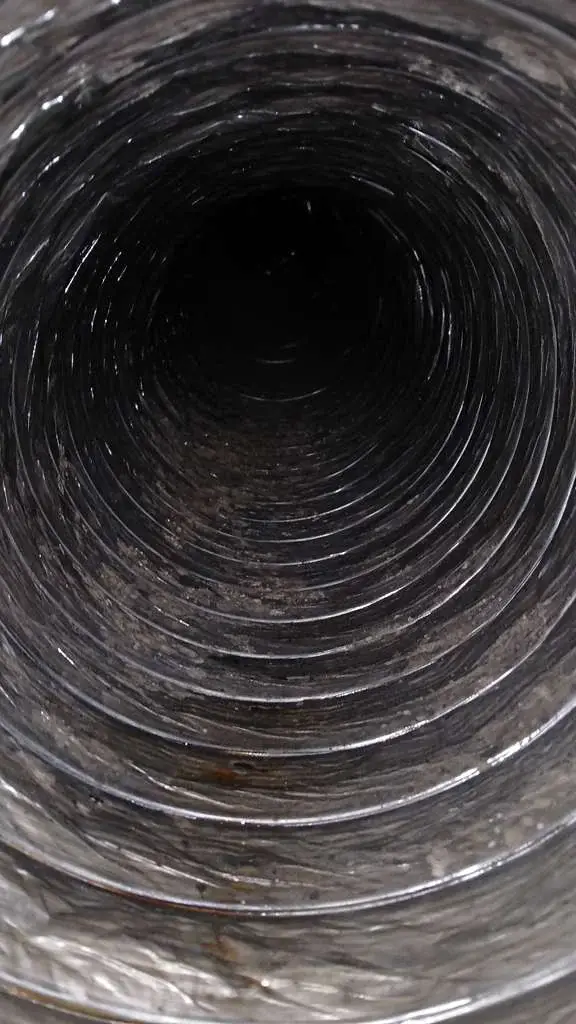

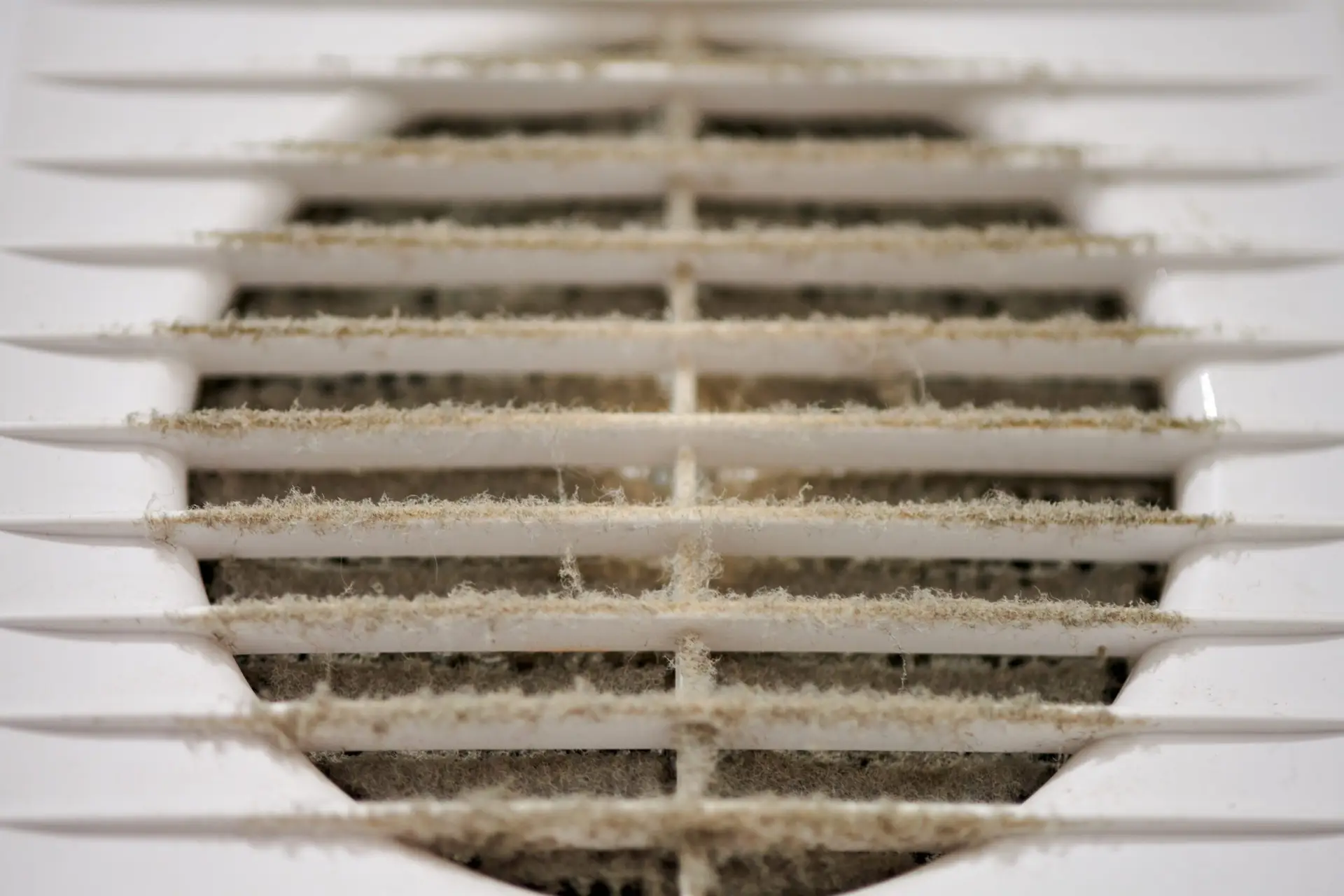
If you keep fixing your air ducts and the same problems come back, your ductwork may be at the end of its life. Heavy rust, crushed or loose sections, nasty smells that return after cleaning, and long standing hot and cold spots all point to full replacement, not just a quick repair.
Why ductwork replacement matters more than you think
Air ducts are like your home’s lungs. When they are clean and solid, air flows smooth, your AC does not work as hard, and everyone breathes easier. When they are old and damaged, your system starts wheezing, your bills climb, and your home never feels quite right.
Many homeowners around Houston try patch after patch. Tape here, foam there, another cleaning, a new vent cover. After a while, it feels like changing the tires on a car that has no engine left.
This guide walks through clear signs your air ducts need full replacement, not just another repair, so you can stop guessing and start fixing the real problem.
How long do air ducts usually last?
Most sheet metal duct systems last around 20 to 25 years if installed right and kept reasonably clean. Flex duct often lasts less, especially in hot attics.
In Houston, with our heat, humidity, and long AC seasons, ducts often age faster. Attic temperatures over 130°F and moisture from our storms can speed up rust, sagging, and air leaks.
If your home near Beltway 8 or down by Pearland is more than 20 years old and you still have the original ductwork, you should watch for the warning signs below.
Sign 1: Heavy rust and corrosion on your ductwork
A little surface rust on old metal is normal. Heavy rust is not.
What heavy rust looks like
You may notice:
- Flaky, reddish dust on the outside of metal ducts
- Brown streaks around seams and joints
- Soft spots in the metal that bend when you press
- Small holes or “pinhole” leaks where air blows out
Rust is like tooth decay for metal. Once it starts eating through, it spreads. You can patch a few spots, but if rust shows up in many places, the structure of the duct is weak.
Why rust is a big deal
- Rust leads to leaks, so cold air dumps into the attic instead of your rooms.
- Leaky ducts pull dusty attic air back into the system.
- Moist, rusty spots are friendly to mold growth.
If more than a few short sections show heavy rust, repair is just a bandage. Full replacement is safer and longer lasting.
Sign 2: Crushed, kinked, or sagging duct sections
Imagine trying to breathe through a squished straw. That is what your AC feels when ducts are crushed or badly kinked.
Common causes of crushed ducts
- Someone stepped on flex duct while moving boxes in the attic
- Storage boxes stacked on top of duct runs
- Ducts squeezed around beams or trusses
- Long runs of flex duct sagging like a hammock
How to spot this problem
Look in the attic with a good flashlight and check for:
- Flex duct that is flattened instead of round
- Sharp bends that look like a garden hose kink
- Duct runs drooping between support straps
- Pieces that look twisted or pinched
When repair is not enough
If you only have one short crushed spot, a tech can replace that section. If half the system is kinked, sagging, or run the wrong way, you are dealing with a bad layout, not a tiny fix.
Old, badly run ducts:
- Kill airflow, so some rooms barely get air
- Force the blower to work harder
- Can lead to frozen AC coils and breakdowns
When the layout itself is the problem, full duct replacement with a better design usually saves you more in comfort and energy over time than constant patch jobs.
Sign 3: Bad odors that return after cleaning
This one drives people crazy.
You call for air duct cleaning. It smells better for a bit. Then a week or a month later, the same nasty odor is back.
Common odor complaints
- Wet dog or dirty sock smell
- Sour, musty, or “old attic” smell
- Burning dust smell that never fully goes away
- “Rotten” smell when the AC first kicks on
Why the smell keeps coming back
There are a few reasons smells linger:
- Mold or mildew growing in damaged duct liner or insulation
- Moisture trapped in low spots of ductwork
- Dead rodents in hidden areas or inside flex duct
- Leaky ducts pulling smelly attic or crawlspace air into the system
Cleaning can remove dust and some surface mold. It cannot fix:
- Soaked or moldy insulation wrapped around ducts
- Wet duct board that has been damp for years
- Leaks that keep pulling dirty air into the system
If your ducts have been cleaned more than once and the odor still returns, the source may be inside the ducts or insulation material itself. That is a strong hint it is time to replace those sections or even the full system.
Sign 4: Long standing comfort problems across the home
You know that one room that is always hot in summer and freezing in winter? Every home has one. A single problem room can sometimes be fixed with a damper adjustment or a repair.
Now picture this:
- Upstairs is always roasting
- The far bedrooms never get enough air
- The living room is fine, the kitchen is freezing
- You play “thermostat wars” all day just to feel okay
These long standing comfort issues across many rooms point to duct design or major damage, not just a single leak.
Why this happens
- Ducts are too small or too large for those rooms
- The system was laid out wrong when the home was built
- So many leaks exist that air never makes it to the far runs
- Return ducts are too small, so the system cannot pull enough air
In neighborhoods with a lot of retrofits around Spring Branch or older homes near Heights Boulevard, we often see original ductwork that was “good enough” when the house was built. Then someone added rooms, closed patios, or switched equipment, but never updated the ducts.
If comfort has been bad since you moved in, and every small fix fails, a full duct redesign and replacement will usually beat chasing little leaks forever.
Sign 5: Very weak airflow or rooms that seem “dead”
If you hold your hand up to a supply vent and feel almost no air even when the AC is running on high, something is off.
Airflow checks you can try
- Compare airflow from one vent to another in the same zone
- Check if certain vents have strong flow and others barely move air
- Listen for vents that hiss loudly while giving very little air
Weak airflow can come from:
- Crushed or disconnected ducts
- Leaks that dump air into the attic
- Undersized ducts that choke the system
- Too many bends or long runs that slow air
You can sometimes fix one weak branch with repair. If many branches act this way, or if ducts are buried in insulation and hard to access, it often makes more sense to replace runs and clean up the entire layout.
Sign 6: Strange noises from the duct system
Your ductwork should not sound like a haunted house.
Sounds that point to trouble
- Loud pops or bangs when the system starts or stops
- Whistling from vents that never used to whistle
- Rattling inside the ducts
- Flapping sounds from loose inner liners in flex duct
Metal ducts pop when they flex too much from pressure changes. With age, joints loosen, support straps break, and sections start to pull apart. Flex duct liners can tear or collapse and make strange noises as air fights through.
If the noises come along with comfort problems, odd smells, or high dust, it is often a clue that the ducts are worn out, not just a little loose.
Sign 7: Dust, allergies, and “dirty house” feel
You dust, you vacuum, and two days later a fresh layer of dust shows up on your furniture. Sound familiar?
Old, leaky ductwork can pull:
- Insulation fibers
- Attic dust
- Pollen
- Garage fumes
straight into your air system.
Signs ductwork is part of the problem
- Dust forms mainly near supply vents
- Black or gray streaks around vent covers
- You smell attic or musty odors when the AC kicks on
- Family members cough or sneeze more when the system runs
Cleaning helps, but if the ducts are full of leaks or gaps, unfiltered air keeps getting sucked in. When that happens, full replacement with properly sealed ducts and correct filtration often makes the biggest difference in dust and allergies.
Sign 8: Ducts are older than your first smartphone
If you bought your first smartphone a long time ago and the ducts were old even then, it might be time.
Age clues
- Metal ducts installed when the house was first built 25+ years ago
- Old duct board that looks dark, worn, and crumbly inside
- Flex ducts that are faded, torn, or pulling loose at the ends
- Tape on joints that has dried out and fallen off
Older materials do not seal as well, do not insulate as well, and do not match the needs of modern high efficiency equipment.
Think of it like putting new racing tires on a car from the 70s that has original worn out shocks and brakes. The weak link keeps holding the rest back.
Sign 9: Repair history looks like a soap opera
Take a minute and think about how many times the ducts have been “fixed”:
- Multiple patch jobs on the same runs
- Many mastic patches over old leaks
- Several “temporary” fixes that never got replaced
- Cleanings that did not solve comfort issues or smells
When repair visits add up and the same trouble keeps coming back, you are spending money to keep a weak system alive. At some point, a full reset is smarter.
What we usually see in Houston, TX
Working in Houston, we see some patterns:
- Attic ducts cooked by years of high heat
- Ducts crushed by storage boxes near I-10 and Highway 6 homes
- High humidity that feeds mold and mildew in leaky duct board
- Older homes near downtown with original, rusted metal ducts
- Large two story homes where the upstairs never cools right
Our weather pounds duct systems. Long AC seasons, humidity, and heavy storms expose every flaw. That is why duct design and condition matter so much here.
Quick troubleshooting steps before you jump to replacement
Before calling it quits on your ducts, you can run through a simple checklist.
- If some rooms are hot and some cold, then check vents and returns are open and not blocked by furniture or rugs.
- If air smells bad when the AC kicks on, then change filters, clean return grilles, and see if the odor clears in a week.
- If a few vents are weak, then check for closed dampers on those vents and open them fully.
- If sounds came on suddenly, then think back to any recent work in the attic like cable, roofing, or insulation crews that may have crushed ducts.
- If dust is heavy near vents, then look for black streaks around grills that may show air leaks.
- If odors or comfort issues keep returning after cleanings and small repairs, then schedule a duct inspection and ask directly if the duct layout or material is worn out.
This kind of step by step check can keep you from replacing things that still have life, and it gives your duct pro more useful info when they arrive.
Common myths and facts about air duct replacement
Myth 1: “Cleaning always fixes duct problems.”
Fact: Cleaning helps with dust and some odors, but it cannot fix crushed ducts, wrong sizes, bad layout, or heavy rust.
Myth 2: “If the AC unit is new, the ducts must be fine.”
Fact: Many homes get new equipment tied to old, leaking ducts. You end up with a strong AC hooked to weak lungs.
Myth 3: “Duct tape solves air leaks.”
Fact: Real duct repair uses mastic and proper connectors. Regular duct tape dries out and peels in hot attics.
Myth 4: “If most rooms feel okay, duct problems do not matter.”
Fact: Even a few bad runs can strain the whole system, raise bills, and shorten equipment life.
How Houston weather beats up your ductwork
Our climate keeps ducts working hard:
- Long, hot summers keep cool air running through warm attics for months
- High humidity brings moisture that can collect on cold duct surfaces
- Heavy storms can create roof leaks that soak insulation and duct wrap
- Quick swings from warm to cool can cause metal to expand and contract, loosening joints
Ducts in older attics around areas like Cypress or Pasadena often sit half buried in insulation. If that insulation gets damp, the outer duct cover can stay wet, which feeds both rust and mold.
Good duct design, solid sealing, and correct insulation all help your system survive Houston weather for more years.
Simple care schedule to help ducts last longer
You cannot stop aging, but you can slow it down. Here is a basic care plan that fits most homes.
Weekly
- Take a quick look at visible vents
- Make sure furniture or curtains are not blocking supply or return vents
Monthly
- Check and change filters as needed, more often in peak summer
- Wipe dust from vent covers and return grilles
- Listen for new noises when the system starts and stops
Every 6 months
- Visual check in the attic for crushed, torn, or disconnected ducts
- Look for signs of moisture, stains on insulation, or rust on metal
- Make sure attic stuff is not sitting on ducts
Yearly
- Schedule a full HVAC checkup that includes duct inspection
- Ask the tech about airflow balance across rooms
- Ask if static pressure and duct sizes match your equipment
Every 3 to 5 years
- Have ducts checked for leaks and insulation condition
- Talk about whether certain rooms need added supply or return vents
Keeping an eye on things helps catch small problems before they turn into full replacement needs. But when those major signs show up, it is smart to plan ahead instead of waiting for a total failure.
FAQs
How do I know if I need duct repair or full replacement?
If you have a few small issues, like one loose joint or a short crushed section, repair may be fine. If you see many signs together, like heavy rust, bad layout, weak airflow in many rooms, and long standing comfort issues, full replacement is usually the better path.
Can old ductwork hurt my AC or furnace?
Yes. Leaky or undersized ducts force the blower motor to work harder. That can lead to frozen coils, short cycling, and more frequent breakdowns. Your equipment might be fine, but bad ducts make it look weak.
Do air duct cleaners replace ductwork too?
Some companies only clean. Others, like full service air duct and dryer vent companies, handle cleaning, repair, and replacement. When you call, ask clearly if they evaluate duct condition and design, not just dirt.
How often should I replace my air ducts?
There is no strict number, but many systems in Houston need serious duct work after 20 to 25 years, sooner if the attic is very hot or damp. If comfort is poor, bills are rising, and your ducts look worn, you may not want to wait for a fixed age.
Are plastic flex ducts bad?
Flex duct is common and works well when sized and supported right. Problems come when it sags, kinks, or gets crushed. Old flex that is torn, moldy, or badly run is a strong candidate for replacement.
Can bad ductwork cause mold in my home?
Leaky or poorly insulated ducts can pull moist air into the system and create cold spots where condensation forms. Over time, that moisture can support mold growth inside ducts, on coils, or on nearby building materials.
How does Houston humidity affect my ducts?
Humidity adds moisture that can condense on cold duct surfaces, especially in hot attics. That moisture speeds up rust on metal ducts and can soak insulation around ducts. Over years, this can ruin duct wrap, grow mold, and weaken the structure.
Will new ducts really help with hot and cold spots?
When ducts are sized and routed correctly, they can make a huge change in comfort. More even airflow, proper returns, and fewer leaks let each room get the air it was meant to have. Many homeowners notice the difference right away.
Get expert duct help in Houston
If you see several of these warning signs in your home around Houston, it may be time to stop patching and look at full duct replacement. Lone Star Air Duct Cleaning Services inspects, cleans, repairs, and replaces air ducts and dryer vents with a focus on real airflow and comfort, not just quick fixes. Our local team understands Houston heat, humidity, and attic conditions, so we can match your duct system to your home and equipment. To schedule an inspection or talk through your duct concerns, call (832) 430-1849 or visit https://lonestarairductcleaningservices.com/.