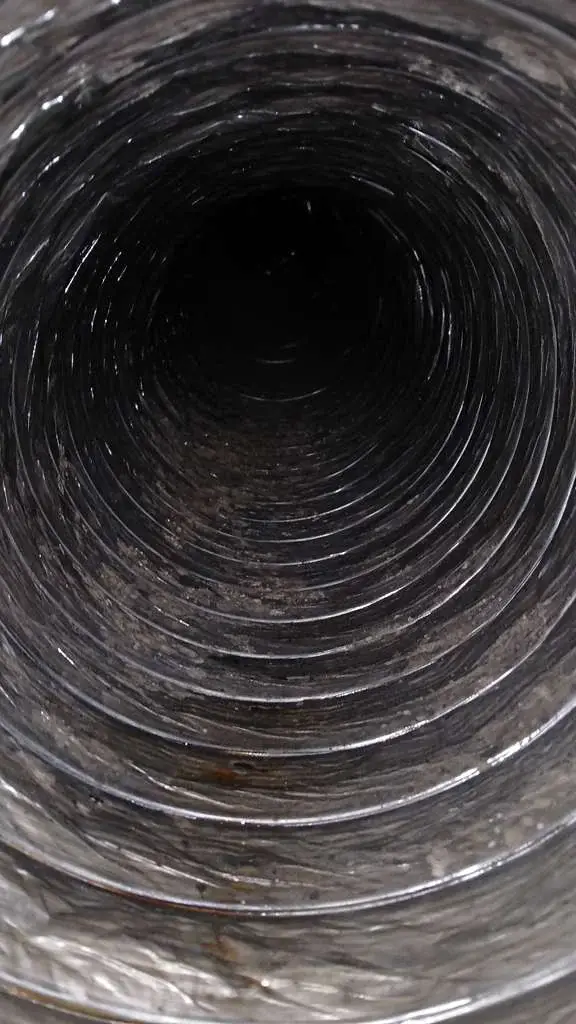

Dirty air ducts rarely shout for help. They send quiet signals instead, like extra dust on furniture, musty smells from vents, worse allergies, or rooms that never feel right. When you spot these early clues, you can call a pro before mold spreads, dust builds up, and your energy bills climb higher than a Houston summer temp.

Why clean air ducts even matter
Your duct system works like the veins of your home. The blower on your HVAC pushes air through those ducts, then out of the vents into each room. When ducts fill with dust, pet hair, and other junk, every cycle of your system blows that stuff through your house.
You end up breathing what sits inside those ducts. That can mean:
- More dust on every surface
- Stuffy rooms
- Funky smells that never really go away
- Extra strain on your HVAC
In Houston, with long hot summers and AC running most of the year, air moves through your ducts a lot. That means dirty ducts can cause trouble faster than in cooler areas.
So let us walk through those quiet clues your air ducts are giving you, before things get out of hand.
Silent sign 1: Dust keeps coming back fast
Picture this. You clean your coffee table on Saturday. By Sunday night, it looks like you never touched it. You might joke, “I just cleaned this, what is going on?”
That is often your ducts talking.
What this dust clue looks like
- You dust, and by the next day, you see a light film again.
- TV screens, fans, and shelves always look fuzzy.
- Dust seems heavier near vents and returns.
If you notice gray lines around the edges of your vent covers, that can be dust and air meeting in a not-so-friendly handshake.
Why ducts might be the cause
When ducts get loaded with dust, every time your AC or heat kicks on, it blows some of that dust out. Your system acts like a leaf blower inside your walls.
You are not just dealing with normal house dust. You may be dealing with:
- Old construction dust
- Insulation fibers
- Pet dander
- Pollen pulled in over time
In Houston homes near busy roads like I-10 or 610, we often see extra fine dust pulled into returns. That dust ends up inside the ductwork and then on your furniture.
Silent sign 2: Musty or dirty smells when the AC starts
Smell is a big clue. If your vents smell off, your ducts may need help.
Common smells that point to dirty ducts
- Musty or damp smell, like a wet towel forgotten in a gym bag
- Slight “old house” odor every time the AC kicks on
- Stale or dusty smell that fades after a few minutes
You might say, “My house smells fine, but when the AC starts, there is a weird whiff.” That little whiff is a red flag.
What might be hiding in there
Warm, humid weather in Houston makes moisture a regular visitor. When damp air and dust meet, they create a cozy spot for:
- Mold spores
- Mildew
- Bacteria
Even a small amount can cause a musty odor. You may not see growth, but your nose can catch the hint.
If you smell a burning dust scent at the first heater use of the season, that can be normal for a short time. If it keeps happening, that is a clue your system and ducts hold more buildup than they should.
Silent sign 3: Allergies or breathing issues are worse indoors
Do you feel better at work or outside than inside your own home? That can point straight to your ducts.
What you might notice
- More sneezing in certain rooms
- Itchy or watery eyes at night
- Tight chest or mild wheezing when the AC is running
- Kids or older family members complain about stuffy air
You might say, “I feel fine at the office, but at home I am clearing my throat all night.” That is not normal.
How dirty ducts play into allergies
Ducts can hold:
- Pollen pulled in every spring
- Pet hair from years of shedding
- Dust mites
- Old drywall or construction dust
Every cycle of your HVAC stirs that up. If you have asthma or seasonal allergies, dirty ducts turn your home into a bonus trigger zone.
Homes in areas like Katy, Sugar Land, or along Highway 59 often see heavy pollen build-up in spring. If your filters and ducts do not get attention, that pollen can hang around in your air system long after the season passes.
Silent sign 4: Uneven airflow and rooms that never feel right
If some rooms are hot while others feel like a fridge, you know something is off. That can come from more than just poor design.
Signs your ducts may be causing uneven air
- One bedroom is always warmer or cooler than the rest
- You feel a strong blast from one vent, but a weak whisper from another
- The room farthest from the unit never reaches the set temp
- You keep messing with the thermostat, yet someone is always complaining
You might say, “The living room feels great, but the back bedroom is a sauna.” That is a classic duct clue.
How dirty ducts affect airflow
When dust and debris build up inside, they can:
- Narrow the air path
- Cover vent openings
- Weigh down or block dampers
- Gather at bends in the duct
That means your blower works harder to push air, and some rooms lose the fight. If you added a room or changed your layout, that can stack on top of duct grime and make things worse.
In older Houston homes, especially those with add-on rooms or converted garages, we often see strange duct runs with lots of turns. Those tight bends grab dust and reduce flow even more.
Silent sign 5: Visible dust or debris on vents and returns
Your vents tell stories if you look close.
What to look for
- Gray fuzz or streaks around vent edges
- Dust stuck to the metal grille
- Black-ish lines or spots around supply vents
- Return vents with thick lint mats on the cover
If you swipe a finger across a vent and get a thick gray line, that is a clue air is dragging dirt out of the ducts.
Sometimes, you may spot small bits of insulation or other particles stuck on the vent. That can mean the inside of the duct has loose material.
Silent sign 6: You hear more noise from vents than you used to
Your system will always make some sound. But when the sound changes, it is worth paying attention.
Sounds that hint at duct trouble
- Whistling at certain vents
- Rattling or vibrating in the duct area
- Loud whooshing in one room, weak air in another
- A “chuff” kind of sound when the unit starts or stops
You might say, “It did not sound like this last summer.” When sound changes, airflow has changed. Dirt, dust, or partly blocked ducts can be part of that story.
Silent sign 7: You see more dust around returns than anywhere else
Return vents pull air back to the unit. They act like big air mouths for your home.
Sign around returns
- Dark, dusty rings on walls or carpet near return grilles
- Dust bunnies forming right by the return
- Filter gets dirty very fast, even when you replace it often
If the area around the return looks dirtier than the rest of the wall, your system is pulling dust-heavy air, and a good amount can end up in the ductwork.
Silent sign 8: You just finished a remodel, and the dust never settled
Construction dust is stubborn. It sneaks into everything, even if workers used plastic sheeting and tried to be careful.
After-construction red flags
- White drywall dust keeps showing up long after the job
- Fine powder near vents
- Filters clog much faster than before the remodel
- Musty smell mixed with a chalky scent when the system runs
If you had a remodel, floor sanding, or kitchen redo and you did not have ducts sealed or cleaned afterward, that dust may have taken up long-term lodging inside your duct system.
What we usually see in Houston, TX homes
In Houston, the mix of heat, humidity, and long AC seasons creates a special set of duct problems:
- Long AC run times spread dust and pet dander faster
- High humidity helps musty smells and mold growth around coils and ducts
- Heavy oak and pine pollen in spring can coat indoor surfaces and filters
- Older neighborhoods, like parts of Spring Branch or the Heights, often have patchwork duct systems from past add-ons
When we visit homes across areas like Westchase, Memorial, or near Beltway 8, we often find the same pattern. People clean their house often, think they are doing everything right, but the duct system quietly undoes a lot of that work.
Quick self-check: Are your ducts trying to tell you something?
Here is a simple list you can run through in your head:
- You dust and vacuum, but dust comes back fast
- You notice musty or stale air when the system starts
- Allergy or asthma flares are worse at home
- Some rooms get strong airflow, others feel weak
- Vents or returns look dirty or have dark rings
- You had pets, a remodel, or water issues in the past few years
If you nodded along to more than a couple of those, your ducts likely need a closer look.
Basic troubleshooting steps you can try first
Here is a simple “if X, then Y” list before you call someone.
- If dust builds up fast on furniture, then check and replace your filters, and make sure you are using the right size and type.
- If you smell musty air when the system starts, then check for visible moisture around vents, near the indoor unit, and around drain lines, and run your system fan with a clean filter for a short period to see if smell lessens.
- If airflow feels weak in some rooms, then open all supply vents, check that furniture is not blocking them, and inspect visible duct runs for crushed spots.
- If returns and vents look dirty, then gently vacuum the grille with a brush attachment and see if build-up returns quickly.
- If allergies feel worse at home, then run the fan on “auto” only, change filters on schedule, and clean supply and return vents.
- If the system sounds louder or whistly at vents, then check filters for clogging and make sure vents are fully open and not taped or blocked.
If these steps do not improve things, or the problem comes back fast, that points to dirt and build-up inside the ducts themselves.
Common myths and the real facts
Myth 1: “If I cannot see dirt inside my vent, my ducts are clean.”
Fact: Most of the duct interior sits where you cannot see it, behind walls and ceilings. The first few inches may look fine while the rest holds years of dust and debris.
Myth 2: “I change my filter all the time, so my ducts never get dirty.”
Fact: Good filters help, but no filter catches everything. Gaps, poor fits, past remodels, and old ducts can still let dust and dander collect inside.
Myth 3: “My house is new, so the ducts are spotless.”
Fact: New builds often leave a trail of drywall dust, sawdust, and material scraps in the duct lines, especially if the system ran during construction.
Myth 4: “If my AC works and my bill is normal, my ducts are fine.”
Fact: Systems can still run with dirty ducts, but air quality and comfort drop long before the unit gives clear trouble signs.
Simple care schedule to protect your ducts
You do not need a fancy plan. Just a simple routine keeps trouble away longer.
Weekly
- Do a quick dusting of high-use rooms
- Vacuum floors, especially near vents and returns
- Check that vents are open and not blocked by rugs or furniture
Monthly
- Inspect your HVAC filter; replace if dirty or at least every 1 to 3 months
- Wipe or vacuum vent and return covers
- Take a quick sniff test at a few vents when the system starts
Every 6 to 12 months
- Have your HVAC unit serviced by a qualified tech, especially before peak summer or winter
- Ask the tech to check visible parts of the duct system for gaps, crushed areas, or loose connections
- Look in a few vents with a flashlight for dust, cobwebs, or debris
Every 2 to 5 years, or sooner if you see signs
- Schedule a professional air duct cleaning, especially if you have:
- Pets
- Allergy or asthma issues
- Smokers in the home
- Past water issues or mold concerns
- A recent remodel or construction project
This schedule keeps you ahead of major build-up, instead of waiting till you feel sick of dust and smells.
Weather and humidity: Why Houston is tough on ducts
Houston weather keeps your AC working overtime. That has a few main effects on your ducts.
Heat and long AC seasons
- AC runs many months of the year
- More run time means more air, dust, and pollen pulled through the system
- If filters stay in too long, more junk reaches the ducts
Humidity
- Humid air mixed with cool ducts can cause condensation on metal surfaces
- Any moisture plus dust becomes a food source for mold and mildew
- Musty smells spread faster in closed houses that stay locked up with the AC on
During heavy rain spells or those muggy late summer days, you may notice smells more strongly when the system cycles. That is your system battling moisture and build-up at the same time.
Safety notes without scare tactics
A dirty duct system does not mean your home is a danger zone overnight. Still, a few smart steps keep you safer and more comfortable.
- If you ever see visible mold growth inside ducts or near vents, do not try to bleach it yourself. Mold needs careful handling.
- If you hear scratching or suspect critters in ducts, call a pro to inspect. Droppings and nesting materials can spread through the airflow.
- If anyone in the home has asthma, COPD, or other breathing issues, keep filters fresh and watch for any changes in symptoms when the system runs.
Clean air helps comfort and health. You do not have to panic, but you also do not need to ignore steady clues.
When is it time to call a professional air duct cleaner?
You can only do so much from the room side of your vents. At some point, you need equipment that reaches deep inside the duct system.
It is time to call a pro when:
- Dust and musty smells return fast after cleaning and filter changes
- You see visible build-up or debris inside vents
- Allergy or breathing issues keep flaring only at home
- Airflow problems do not improve after vent and filter checks
- You had a big remodel, water leak, or critter issue
A good professional cleaning will:
- Break dust, dander, and debris loose from duct walls
- Use controlled suction to pull it all out of the system
- Help your HVAC move air more easily
- Cut down dust on surfaces and improve odors
For Houston homes with long AC runtimes, many owners feel the difference in both air quality and comfort after a proper cleaning.
FAQs
How often should I have my air ducts cleaned in Houston, TX?
Most homes in Houston benefit from a professional duct cleaning every 2 to 5 years. Homes with pets, smokers, allergy sufferers, or recent remodels may need it closer to the 2 to 3 year mark.
Can dirty air ducts really affect my allergies?
Yes. Ducts can hold pollen, dust mites, pet dander, and other irritants. When your system runs, those particles can blow into your living space and trigger sneezing, coughing, and itchy eyes.
Can I clean my air ducts myself?
You can clean vent covers and the area you can reach with a vacuum and brush. The deeper ductwork needs special tools and high-power vacuums. Most homeowners cannot reach far enough or seal the system well enough for a full clean.
Do air ducts grow mold easily in Houston?
Warm, humid weather raises the risk. If there is moisture in or near ducts, mold can form on dust and debris. That is why good drainage, dehumidification, and regular filter changes matter so much in this area.
How can I tell if my ducts are dirty without a camera?
Look for clues: fast-returning dust, musty smells when the AC starts, dirty vents and returns, uneven airflow, and worse allergies at home. These signs often show up long before you can see inside every duct.
Will duct cleaning make my house less dusty?
Cleaning ducts will not remove all dust forever, but it can cut down on the amount blown out of vents every day. Paired with good filters and regular cleaning, you should notice less dust on surfaces.
Is duct cleaning safe for my HVAC system?
When done by trained pros with proper tools and methods, duct cleaning is safe for your system. It can even help by reducing strain on the blower and improving airflow.
Does new construction need air duct cleaning?
Many new homes have dust, drywall powder, and construction debris in the ducts. If your new place feels dusty from day one, or you see fine white dust on surfaces, a duct inspection and cleaning can help.
Call Lone Star Air Duct Cleaning Services for clean, comfortable air
If the silent signs in your home sound familiar, you do not have to keep guessing. Lone Star Air Duct Cleaning Services helps homeowners all across Houston breathe easier and get smoother airflow by cleaning out the hidden build-up in their duct systems. Our team handles air duct and dryer vent cleaning for houses, townhomes, and apartments, from inside the Loop to newer spots outside Beltway 8, so your system works cleaner and more comfortably.
To schedule service or ask a question, call us at (832) 430-1849 or visit https://lonestarairductcleaningservices.com/.